


 English (English)
 Deutsch (German)
 Čeština (Czech)
 Italiano (Italian)
 Hrvatski (Croatian)
 Română (Romanian)
 български език (Bulgarian)
 Magyar (Hungarian)
 Español (Spanish)
 Français (French)
 Nederlands (Dutch)
 Polski (Polish)
 Slovenčina (Slovak)
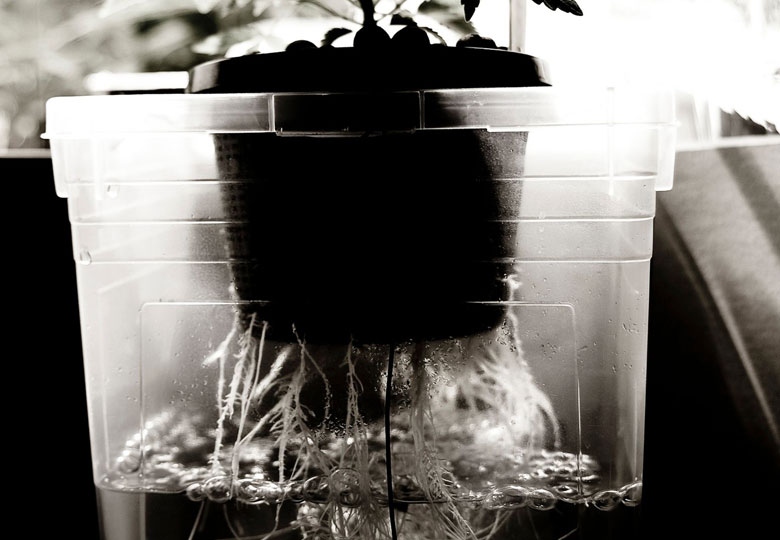



Understanding hydroponic hemp genetics from a collector's perspective
The term hydroponic hemp refers to genetic lines that have been optimized from the ground up for cultivation in water-based nutrient solution systems. These collectible seeds have distinctive characteristics that reflect their adaptation to the hydroponic environment. From a botanical standpoint, these genetic lines are extremely valuable, as they are perfect examples of how plants can adapt to different growing conditions.
Hydroponics as a method is not a modern invention. Back in 600 BC, the Hanging Gardens of Babylon were famous for their lush vegetation, based on channels that diverted river water. The Aztecs also grew plants on rafts on Lake Texcoco near Tenochtitlan. The father of modern hydroponics was William Frederick Gericke, who at the University of California, Berkeley, proved that plants can also thrive in nutrient solution - demonstrated by his famous 7.6-meter-tall tomato plants, which illustrated this revolutionary approach.
Characteristics and aroma profiles of hydroponic genetics
Hemp genetics developed for hydroponic conditions have characteristic traits. These lines generally show a faster development cycle, which is particularly interesting for the genetic material. For collectors, it's important that, due to the hydroponic environment, these genetics often develop more concentrated terpene profiles.
In terms of cannabinoid composition, hydroponic genetics often show more stable ratios. The balance between THC, CBD and other cannabinoids can be predicted more precisely in these lines. Within the terpene spectrum, compounds such as myrcene, limonene and pinene dominate, producing characteristic aroma profiles.
- Indica-dominant hydroponic genetics: Typically lines with a calming profile and abundant resin production
- Sativa-dominant hydroponic genetics: Lines with energizing characteristics and complex terpene profiles
- Hybrid hydroponic genetics: Balanced characteristics with stable cannabinoid ratios
Types of hydroponic systems from a genetic perspective
Different hydroponic systems bring out different genetic traits from the collectible seeds. The Deep Water Culture (DWC) system, for example, provides an environment that promotes intensive development of the root system. This is particularly valuable for collectors studying genetic diversity.
NFT systems (Nutrient Film Technique) irrigate the roots with a thin film of nutrient solution, resulting in a different genetic expression. In these systems, plants often develop a more compact structure, which can be beneficial for preserving genetic material.
Ebb-and-flow systems use periodic irrigation, which produces stress-tolerant genetic traits. These characteristics are particularly valuable for botanical research, as they show how different genetic lines respond to changing environmental conditions.
Advantages of collecting hydroponic genetics
Collecting hydroponic hemp genetics offers numerous advantages over conventional genetics. These lines generally show a clearer genetic expression, since the hydroponic environment minimizes the influence of external variables. For collectors, this means they can study the actual characteristics of each genetic line more precisely.
These genetics are optimized in terms of nutrient uptake efficiency. In the water-based nutrient solution environment, plant roots have direct access to all the nutrients they need, leading to faster and more uniform development. This trait is particularly valuable for studying genetic stability.
Hydroponic genetics often show higher cannabinoid concentrations, which is advantageous for collecting for research purposes. The controlled environment allows plants to fully express their genetic potential, resulting in purer, more concentrated compound profiles.
Hydroponic collectible seeds from Cannapio
Cannapio's range includes the best hydroponic collectible seeds, the result of decades of breeding work. These genetic lines have been specifically optimized for the demands of the hydroponic environment and stand out for their excellent aroma profiles and stable genetic traits.
Particularly worth highlighting are the hydroponic variants of White Widow, known for their crystalline resin production and balanced cannabinoid profile. The hydroponic genetics of Northern Lights have a compact growth form and intense aroma profiles, while lines from the Skunk family are known for their robust characteristics.
Among the modern hybrid genetics, there are lines such as the hydroponic variants of Blue Dream, which have complex terpene profiles and excellent adaptability. These genetics are perfect examples of how traditional breeding can be combined with modern botanical science.
Botanical aspects and genetic diversity
Hydroponic hemp genetics are extremely valuable from a botanical standpoint for preserving genetic diversity. These lines often display characteristics that would not develop under natural conditions. The controlled hydroponic environment allows for the development and stabilization of rare genetic combinations.
In terms of morphological diversity, hydroponic genetics cover a broad spectrum. Among them you'll find both compact, bushy growth forms and slender, tall-growing types. This diversity is a valuable resource for botanical research and genetic studies.
In terms of phenological traits, these genetics often show shorter flowering cycles, which is advantageous for genetic research due to the faster turnover of generations. Their stable inheritance patterns allow for precise genetic predictions and selective breeding programs.
Aroma profiles and chemical composition
Hydroponic collectible seeds have outstanding aroma profiles, the result of the controlled growing environment. Their terpene composition is often more complex and balanced than that of conventional genetics. Characteristic terpenes include citrus-like limonene, pine-like pinene and earthy myrcene.
In terms of cannabinoid spectrum, these genetics often also include lines with higher CBD content, which is particularly valuable for collecting for research purposes. The ratios between THC and CBD in these lines are often more stable and more predictable than in other genetic lines.
The profile of volatile compounds is also richer in hydroponic genetics. Among them are rarer compounds such as alpha-humulene and beta-caryophyllene, which give the genetic lines distinctive aroma notes. These characteristics are particularly valuable for botanical aromatherapy research.
Legal notice: The seeds offered in Cannapio's range are intended exclusively for collecting purposes. The cultivation and consumption of cannabis is strictly prohibited or restricted under the applicable legislation in your country. The seeds are sold exclusively for the purpose of botanical and genetic study.