


 English (English)
 Deutsch (German)
 Čeština (Czech)
 Italiano (Italian)
 Hrvatski (Croatian)
 Română (Romanian)
 български език (Bulgarian)
 Magyar (Hungarian)
 Español (Spanish)
 Français (French)
 Nederlands (Dutch)
 Polski (Polish)
 Slovenčina (Slovak)
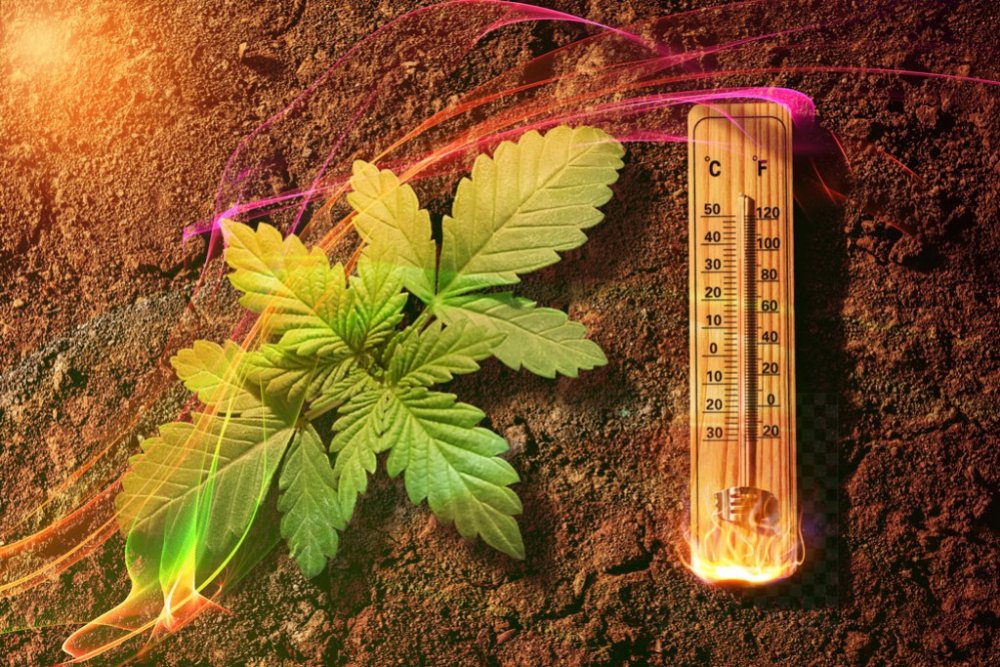



Collectible cannabis varieties represent a valuable genetic heritage that requires optimal environmental conditions to preserve its unique characteristics. Even though many cannabis genetics show good tolerance to high temperatures, heat stress remains one of the most serious issues that can compromise the integrity of the genetic material. Understanding this phenomenon is essential for any collector who wants to preserve their varieties in the best possible way.
The mechanism of heat stress in cannabis genetics
Heat stress occurs when cannabis plants lose their ability to self-regulate their internal balance, disrupting their natural thermoregulation mechanisms. This phenomenon represents a physiological response to extreme environmental conditions that exceed the tolerance threshold of a given genetic line.
Every collectible variety has distinctive characteristics in terms of heat resistance, inherited from its genetic background. Genetics of tropical origin tend to show greater tolerance to high temperatures than varieties originating from temperate or mountainous climates.
The heat stress process triggers a series of biochemical reactions that alter the production of terpenes, cannabinoids and other aromatic compounds that define the unique profile of each collectible variety.
Triggers of overheating
Identifying the causes of heat stress is essential for developing effective preventive strategies. The main triggers include several environmental factors that interact with one another, creating critical conditions.
Excessive light intensity
Lighting is often the primary cause of overheating. High-intensity light sources generate considerable heat, creating microclimates that can damage delicate plant structures. For this reason, many collectors prefer LED systems, which produce less heat than traditional HID lamps.
Lack of ambient humidity
An environment with low relative humidity disrupts the plants' natural cooling mechanisms. Transpiration, a key process for thermoregulation, becomes ineffective under low-humidity conditions, predisposing the genetics to heat stress.
Inadequate ventilation
Insufficient air circulation creates pockets of heat stagnation that promote heat build-up. An effective ventilation system is crucial for maintaining stable environmental conditions and preventing temperature spikes that are harmful to collectible varieties.
Manifestations of heat stress by development stage
Heat stress symptoms vary significantly depending on the plant's stage of development and the specific genetics involved. Recognizing these signs early is essential for preserving the integrity of collectible genetic material.
Heat stress in the early stages
During the earliest stages of development, manifestations include:
- Slowed vegetative growth
- Pale leaves prone to wilting
- General fragility of plant structures
- Changes in leaf tissue coloration
Heat stress during the vegetative stage
During active vegetative growth, symptoms intensify:
- Curling and drying of leaf margins
- Appearance of yellow-brown spots
- Visible burning on leaf tips
- Characteristic morphological deformations
Heat stress during flowering
The flowering stage presents specific symptoms:
- Widespread discoloration of the foliage
- Excessive production of white pistils
- Pronounced leaf twisting
- Changes in trichome production
It is important to distinguish these symptoms from other similar problems, such as nutrient deficiencies, over-fertilization or isolated light stress.
Preventive strategies for genetic preservation
Preventing heat stress requires a systematic approach that takes all environmental factors into account. Preventive strategies vary depending on the storage conditions of the collectible genetic material.
Management in a controlled environment
For indoor preservation, the main strategies include:
- Precise adjustment of the distance from light sources
- Installing oscillating fans for air circulation
- Using LED systems with low thermal impact
- Implementing climate control systems when necessary
- Keeping the temperature below 25 °C
Constant monitoring of environmental conditions using precision instruments makes it possible to maintain optimal parameters for preserving the unique genetic characteristics of each collectible variety.
Implementing these preventive strategies ensures the preservation of genetic integrity and the distinctive aromatic properties that make every variety a valuable collectible item for enthusiasts and researchers in the field.