


 English (English)
 Deutsch (German)
 Čeština (Czech)
 Italiano (Italian)
 Hrvatski (Croatian)
 Română (Romanian)
 български език (Bulgarian)
 Magyar (Hungarian)
 Español (Spanish)
 Français (French)
 Nederlands (Dutch)
 Polski (Polish)
 Slovenčina (Slovak)
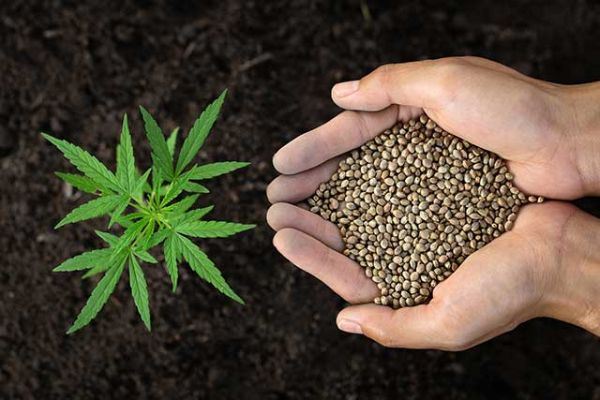



Cannabis Genetics: Clones versus Seeds for Collectors
For collectors of cannabis genetics, the question often arises of which approach is more suitable: collecting clone material or building up a seed collection. Both forms of genetic material offer unique properties and possibilities for studying cannabis profiles.
Clones represent exact genetic copies of their mother plant, while seeds contain a wealth of genetic diversity. For serious collectors, understanding these fundamental differences is essential for building a valuable genetics library.
Characteristics of Cannabis Clones
A clone originates from vegetative plant material taken from an existing cannabis plant. This genetic material contains DNA sequences identical to those of the original plant, allowing collectors to preserve exact duplicates of desired traits.
High-quality clones are taken from healthy mother plants with superior characteristics. These mother plants generally show robust growth patterns, excellent resistance to environmental stress and consistent production of aromatic compounds. As long as environmental factors remain constant, clones retain terpene profiles and cannabinoid compositions that are virtually identical to their genetic source.
Advantages of Clone Material for Collectors
Preserving clones gives collectors genetic stability. By maintaining clone material, collectors can preserve specific traits of exceptional genetic lines indefinitely. This is especially valuable for rare or unique phenotypes that are difficult to reproduce through seed development.
Clones also eliminate the genetic variability inherent to seed production. For collectors interested in studying specific chemical profiles, clones offer consistent results without the unpredictability of genetic recombination.
Challenges of Maintaining a Clone Collection
Maintaining clone material requires continuous care and facilities. Unlike seeds, which can be stored for years under optimal conditions, clones need constant light, feeding and climate control to remain viable.
In addition, clones can develop genetic instability after repeated vegetative propagation. This phenomenon, known as clone fatigue, can lead to declining vitality and altered chemical profiles over time.
The World of Cannabis Seeds
Seeds represent the natural form of genetic storage in cannabis. Each seed contains a unique combination of genetic material from both parent plants, resulting in diverse expressions of traits within the same genetic line.
For collectors, high-quality cannabis seeds provide access to a wide spectrum of genetic possibilities. Even seeds from the same parents can show considerable variation in growth patterns, aromatic profiles and cannabinoid concentrations.
Genetic Diversity in Seed Collections
Collecting seeds allows enthusiasts to build genetic libraries with enormous diversity. Each seed carries the potential for unique phenotypic expressions, allowing collectors to search for exceptional specimens within existing genetic lines.
This genetic variability is particularly valuable for understanding cannabinoid and terpene biosynthesis. By studying different phenotypes from the same seed line, collectors can gain insight into the genetic factors that influence specific chemical profiles.
Advantages of Seed Collections
Seeds offer exceptional long-term storage capability. Under the right conditions, cannabis seeds can remain viable for many years, allowing collectors to maintain extensive genetic archives without continuous upkeep requirements.
The availability of seeds is also considerably broader than that of clone material. Reputable seed banks provide access to hundreds of genetic varieties, from classic landrace genetics to modern polyhybrid creations, giving collectors access to an unmatched diversity of genetic material.
Considerations for Serious Collectors
For dedicated cannabis genetics collectors, a combined approach can be the most advantageous. By maintaining both extensive seed collections and select clone lines, collectors can benefit from the genetic diversity of seeds while preserving exceptional specimens through clone material.
Choosing between clones and seeds also depends on the collector's specific goals. For studying genetic variability and discovering new phenotypes, seeds are indispensable. For preserving specific, proven genetic lines, clones offer unmatched consistency.
Practical Considerations
Beginning collectors often find that seeds offer a more accessible starting point. They require minimal initial investment in facilities and can be stored for years before decisions need to be made about which genetics to explore.
Experienced collectors, on the other hand, often value the immediate availability and genetic certainty that clones provide, especially when working with rare or valuable genetic lines where consistency is of crucial importance.
Ultimately, the choice between clones and seeds depends on individual goals, available resources and the specific aspects of cannabis genetics that are of most interest to each collector. Both approaches offer valuable opportunities for studying and preserving the rich diversity of cannabis genetics available today.