


 English (English)
 Deutsch (German)
 Čeština (Czech)
 Italiano (Italian)
 Hrvatski (Croatian)
 Română (Romanian)
 български език (Bulgarian)
 Magyar (Hungarian)
 Español (Spanish)
 Français (French)
 Nederlands (Dutch)
 Polski (Polish)
 Slovenčina (Slovak)
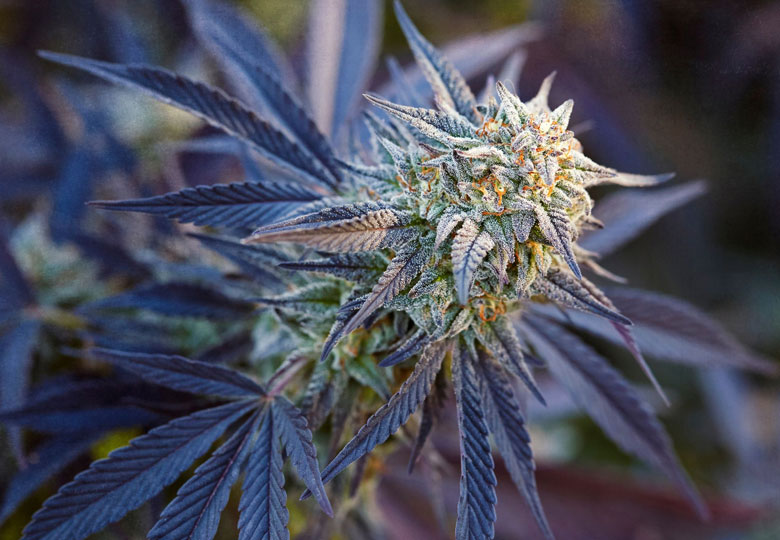


In short: Flowering is where harvest quality and yield are decided, and the outcome starts with genetics. Strains are grouped by cannabinoid ratio (CBD-rich, balanced, specialized) and by dominant terpenes such as myrcene, limonene and pinene. Breeders select mother plants for genetic stability, hybrid vigor, a consistent chemical profile and natural resilience.
Cannabis genetics have evolved remarkably over the past decades. From the original wild varieties to today's highly developed genetic lines, every strain tells a unique story of development and scientific refinement.
Origins and Development of Modern Strains
The contemporary genetic lines represent decades of careful selection and strategic crossbreeding. The pioneers of cannabis botany identified exceptional traits in certain mother plants and preserved these characteristics across successive generations.
Classification by Cannabinoid Profile
The cannabinoid profile represents the chemical fingerprint of each strain. Modern genetics are categorized according to the ratio of their active compounds:
- CBD-rich strains: Genetics with a high cannabidiol content, popular for their mild and versatile profile
- Balanced lines: An even ratio between the most important cannabinoids
- Specialized genetics: Developed for specific profiles of minor compounds
Terpene Profiles and Aromatic Characteristics
The terpenes determine the aromatic personality of each genetic. These volatile compounds not only create distinctive scents but also contribute to the synergistic effect known as the 'entourage effect'.
Key Terpenes in Premium Genetics
Myrcene: Present in genetics with relaxing properties, it lends characteristic earthy and herbal notes. Myrcene-rich strains often display deep, complex aroma profiles.
Limonene: Dominant in genetic lines with uplifting profiles, it offers bright citrus scents. These genetics typically develop fresh, invigorating aromas.
Pinene: Characteristic of strains with clarifying effects, it provides pine and fresh herbal notes. Pinene-rich genetics retain clear and penetrating aroma profiles.
Methods of Genetic Development and Selection
The development of new genetic lines requires solid knowledge of Mendelian inheritance and selective breeding techniques. Specialized breeders identify exceptional mother plants based on several criteria.
Advanced Selection Criteria
- Genetic stability: Consistency in the expression of desired traits
- Hybrid vigor: Robustness and adaptability of the offspring
- Chemical profile: Consistency in the production of cannabinoids and terpenes
- Natural resilience: Tolerance to adverse environmental factors
IBL Lines vs. F1 Hybrids
IBL lines (Inbred Lines) represent genetics that have been stabilized over several generations, offering predictable, uniform characteristics. In contrast, F1 hybrids combine traits from different parent lines and often display exceptional hybrid vigor.
Iconic Genetics and Their Legacy
Certain strains have set industry standards through their unique profiles and genetic stability. These foundational lines continue to shape the development of new genetics.
Characteristics of Legendary Strains
Afghani genetics: Known for their intensely relaxing profile and complex earthy aromas. These lines provide genetic stability and desirable traits to modern hybrids.
Strains of the Haze series: Celebrated for their uplifting mental effects and spicy terpene profiles. Haze genetics remain popular for their aromatic uniqueness.
Skunk lines: Pioneers in terms of potency and easy cultivation, they laid the foundation for many contemporary genetics.
Contemporary Innovations in Genetics
Modern biotechnology has revolutionized the development of new strains. Techniques such as genetic mapping and molecular marker analysis significantly accelerate selection processes.
Advanced Chemical Analysis
High-performance liquid chromatography (HPLC) enables precise characterization of cannabis profiles. This technology facilitates the identification of genetics with specific chemical properties.
Gas chromatography terpene analysis reveals previously undetectable aromatic nuances and guides the development of strains with unique profiles.
Preservation of Genetic Diversity
The preservation of ancient genetic lines is crucial for the continuation of biological diversity. Specialized collections safeguard invaluable genetic material for future research and development.
These genetic heirlooms represent not only botanical history but also form reservoirs of unique traits that are potentially valuable for creating innovative strains.