


 English (English)
 Deutsch (German)
 Čeština (Czech)
 Italiano (Italian)
 Hrvatski (Croatian)
 Română (Romanian)
 български език (Bulgarian)
 Magyar (Hungarian)
 Español (Spanish)
 Français (French)
 Nederlands (Dutch)
 Polski (Polish)
 Slovenčina (Slovak)

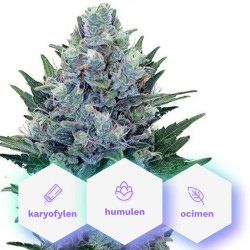
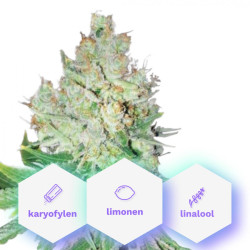

Medical cannabis is experiencing unprecedented acceptance worldwide. The prejudices and barriers that have traditionally surrounded this plant are gradually diminishing. Every year, more countries introduce new laws recognizing the therapeutic value of cannabis. But what makes certain cannabis strains medical strains? Which genetic characteristics define these unique profiles? In this article, we explore the fascinating world of medical cannabis genetics.
GENETIC CHARACTERISTICS OF MEDICAL CANNABIS
The collector seeds of medical cannabis mainly come from the species Cannabis sativa L. and Cannabis indica L. What distinguishes these genetics is their unique cannabinoid profile, in which tetrahydrocannabinol (THC) and cannabidiol (CBD) stand out as the main compounds. These strains also contain a complex arsenal of terpenes, flavonoids, and essential oils that contribute to their characteristic aromatic properties.
The cannabinoids are responsible for the therapeutic properties that characterize these genetics. THC is known for its psychoactive effects and analgesic properties, while CBD has made a name for itself through its non-psychoactive profile and numerous therapeutic benefits. Other molecules such as CBN, CBG, and CBC also contribute to the unique profile of each strain.
The human endocannabinoid system, discovered in the 1990s, explains how these compounds interact with our organism. This system, which consists of CB1 and CB2 receptors, regulates functions such as pain, appetite, mood, and sleep, which explains the broad therapeutic spectrum of these genetics.
METHODS OF USING GENETIC MATERIAL
Medical strains can be processed in various ways to harness their unique properties. The most common methods include capsules, tablets, liquid extracts, and preparations for infusions. In the medical field, vaporizing dried flowers has become the preferred method, with vaporizers enabling a clean extraction of the active compounds.
Vaporizing offers significant advantages over other consumption methods. By heating the plant material to controlled temperatures (usually between 160 °C and 220 °C), combustion is avoided, eliminating the associated toxic byproducts. This process enables a selective extraction of cannabinoids and terpenes while preserving the full profile of the strain.
Modern vaporizers offer precise temperature control, allowing the experience to be individually tailored according to the desired cannabinoid profile. Lower temperatures (160-180 °C) favor the extraction of terpenes and CBD, while higher temperatures (180-220 °C) release a greater amount of THC and other cannabinoids.
GENETIC PROFILES FOR PAIN MANAGEMENT
The analgesic properties are likely the most widely recognized benefit of medical genetics. This is not only about physical pain; these strains also demonstrate the ability to positively influence emotional well-being. Their mood-enhancing effects make them a valuable resource for people facing chronic conditions or difficult periods.
The mechanism of action involves multiple pathways. The cannabinoids interact with receptors of the central and peripheral nervous system, modulating pain transmission. At the same time, they influence the release of neurotransmitters such as serotonin and dopamine, which explains their effect on mood.
CBD-rich strains are particularly valued for their anti-inflammatory and neuroprotective properties, while genetics with a balanced THC:CBD ratio offer a more comprehensive profile for the holistic treatment of chronic pain.
SUPPORTIVE GENETICS IN ONCOLOGICAL TREATMENTS
Medical strains have proven to be valuable allies in managing side effects associated with oncological treatments. Their ability to control nausea and vomiting makes them an important supplement during chemotherapy, providing significant relief to patients undergoing these challenging treatments.
Furthermore, these genetics act as appetite stimulants and help counteract unwanted weight loss and the loss of appetite frequently seen in cancer patients. This property, technically known as orexigenic effect, can be crucial for maintaining nutritional status during treatment.
Some patients supplement their therapies with cannabis oils, following specific protocols under medical supervision. Clinical studies have documented that the use of medical cannabis can reduce the need for conventional antiemetics. Further research suggests that these genetics represent a safer alternative to opioids for the treatment of cancer-related symptoms.
STRAINS FOR NEUROLOGICAL DISORDERS
GENETICS IN HIV/AIDS
Since California legalized medical cannabis in 1995, many HIV/AIDS patients have used these genetics to improve appetite, relieve pain, and as a sleep aid. Even today, cannabis continues to be frequently used by HIV-positive patients as part of their holistic wellness strategies.
GENETIC PROFILES AND PARKINSON'S DISEASE
Numerous patients with Parkinson's disease have reported significant benefits from certain cannabis strains, including pain relief, reduced tremors, improved sleep, and a greater sense of relaxation. These effects are attributed to the interaction of cannabinoids with the central nervous system, particularly in areas related to motor control and dopaminergic neurotransmission.
MEDICAL SPECIALTIES AND PRESCRIPTION
Medical cannabis can be prescribed by physicians from the following specialties:
- Clinical Oncology
- Radiation Oncology
- Neurology
- Pain Medicine
- Internal Medicine
Each specialty brings its own perspective on how different genetics can be beneficial for specific conditions, from managing chemotherapy side effects to controlling complex neurological symptoms.
The collector seeds represent an invaluable genetic heritage that continues to be the subject of research and development. Their genetic diversity offers a broad spectrum of cannabinoid and terpene profiles, each possessing unique properties that make it particularly suitable for different therapeutic applications.