


 English (English)
 Deutsch (German)
 Čeština (Czech)
 Italiano (Italian)
 Hrvatski (Croatian)
 Română (Romanian)
 български език (Bulgarian)
 Magyar (Hungarian)
 Español (Spanish)
 Français (French)
 Nederlands (Dutch)
 Polski (Polish)
 Slovenčina (Slovak)
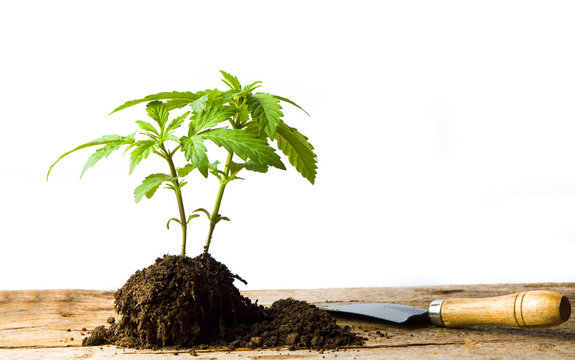


Want to get the maximum out of the hemp plant? It's not just about the flowers - stems, leaves, roots, and even soil can have surprising value. Are you interested in how to use them and turn them into useful products? Find the answers in our article
Full use of the cannabis plant: more than just flowers
Many cannabis collectors and enthusiasts are unaware of the hidden potential held by the traditionally discarded parts of the plant. Stalks, leaves, roots, and even the substrate used all have surprising properties and applications that can be turned into valuable products for various purposes.
This holistic approach to using cannabis genetics not only maximizes the value of every specimen, but also contributes to a more sustainable and conscious approach to collecting seeds and studying these fascinating varieties.
Cannabis stalks: a fibrous treasure with diverse applications
The stalks of the cannabis plant are a rich source of natural fiber that has been valued in various industries for centuries. This often underestimated part of the plant has unique structural properties that allow it to be turned into useful, sustainable products.
Making high-quality organic mulch
One of the most practical uses of the stalks is turning them into organic mulch. This process involves mechanically shredding the dried stalks to create an excellent ground cover material with several benefits:
- Moisture retention: significantly reduces water evaporation from the soil
- Substrate enrichment: breaks down gradually, releasing natural nutrients
- Temperature regulation: protects the roots of other plants from extreme temperatures
- Weed control: acts as a natural barrier against unwanted plants
Preparing aromatic infusions
The stalks can be turned into concentrated infusions with unique aroma profiles. This requires a basic decarboxylation step to fully activate the compounds it contains:
- Preheat the oven to 110 °C
- Bake the stalks for 60 minutes
- Finely grind the processed material
- Boil in water for 7-8 minutes
- Strain and enjoy the resulting aroma profile
Cannabis leaves: differences and specific uses
Depending on their position and function on the plant, cannabis leaves have different properties that determine their possible uses and their content of active compounds.
Sugar leaves: concentration of trichomes
The so-called sugar leaves are characterized by their high trichome density - small, gland-like structures that contain the highest concentration of terpenes and cannabinoids. These leaves, located close to the flowers, appear shiny and sticky due to the resin covering them.
Their main uses include:
- Concentrated extracts: ideal for obtaining essential oils
- Aromatic preparations: base for high-potency infusions
- Collector's material: preserving specific terpene profiles
Fan leaves: versatility and nutritional value
The fan leaves, which are larger and contain fewer trichomes, offer different possible uses:
- Green juices: a rich source of chlorophyll and nutrients
- Topical preparations: base for ointments and balms
- Decorative elements: ornamental or educational preservation
- Composting: excellent organic material for compost
Making therapeutic infusions
Preparing infusions with leaves requires special techniques to maximize the extraction of beneficial compounds:
- Boil the leaves in water for 30 minutes
- Add half a tablespoon of coconut oil for better absorption
- Flavor with honey, lemon, or mint to taste
- Strain carefully before consuming
Important note: adding healthy fats such as coconut oil significantly improves the bioavailability of the fat-soluble compounds contained in the leaves.
Cannabis roots: the forgotten underground treasure
The roots of the cannabis plant are arguably the most underestimated part of the plant, despite having a rich history of traditional uses. These root systems develop unique compounds that differ from those found in the plant's above-ground parts.
Chemical composition of the roots
The roots contain a complex matrix of bioactive compounds, including specific alkaloids, characteristic terpenes, and other secondary metabolites that give them special properties. This distinct chemical composition makes them fascinating study material for specialized collectors.
Historical and traditional uses
Throughout history, various cultures have used cannabis roots for a variety of purposes:
- Anti-inflammatory preparations: making use of their natural properties
- Digestive aids: traditional uses in the gastrointestinal area
- Topical treatments: external application in various preparations
- Ceremonial rituals: part of traditional practices
Processing and preservation
The proper processing of the roots requires special techniques to preserve their properties:
- Careful cleaning to remove substrate residue
- Gradual drying in a controlled environment
- Storage in airtight containers
- Documentation of the origin genetics
Substrate after harvest: recycling and reuse
The substrate used during the plant's development also offers possible uses. This material, enriched with root exudates and beneficial microorganisms, can be revived for future use.
Substrate regeneration techniques include controlled composting, adding new organic nutrients, and rebalancing the pH, turning this material into a fertile base for other gardening or collecting projects.
Considerations for collectors
Collectors specializing in cannabis genetics can use these applications as a way to maximize the educational and scientific value of their specimens. Studying different varieties through all of their parts allows for a more comprehensive understanding of the specific genetic characteristics of each line.
It is important to keep in mind that these applications fall within the scope of responsible collecting and the study of the botanical characteristics of these fascinating plants, always respecting applicable local legislation, with the scientific and educational value of these unique genetic materials remaining the priority.