


 English (English)
 Deutsch (German)
 Čeština (Czech)
 Italiano (Italian)
 Hrvatski (Croatian)
 Română (Romanian)
 български език (Bulgarian)
 Magyar (Hungarian)
 Español (Spanish)
 Français (French)
 Nederlands (Dutch)
 Polski (Polish)
 Slovenčina (Slovak)
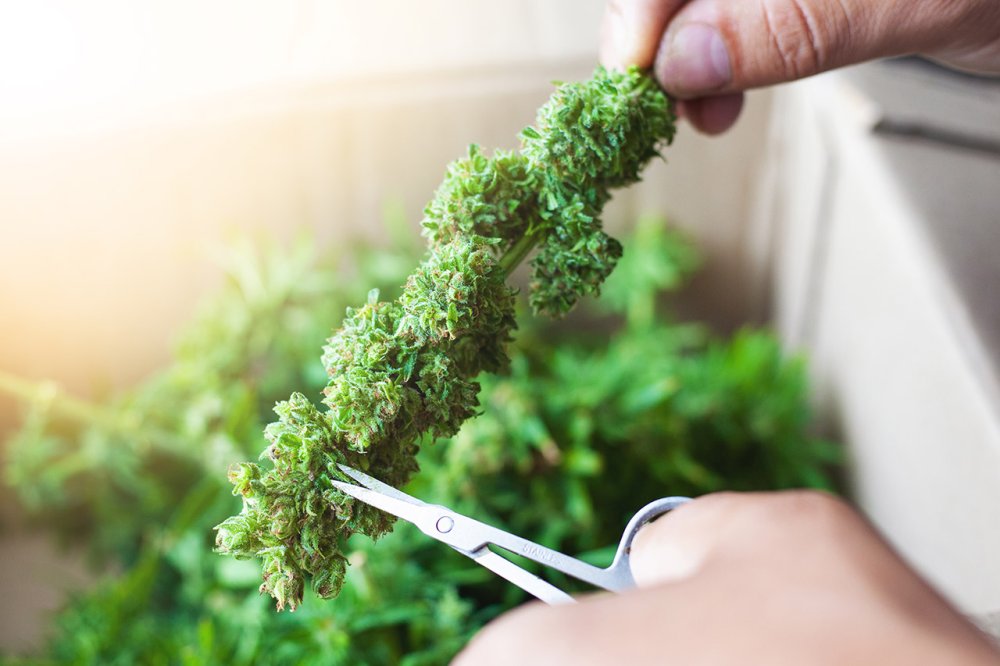



The world of collectible cannabis seeds involves not only the selection of exceptional genetics but also a deep understanding of the processes that determine the quality of the genetic material. For serious collectors, understanding the methods of harvesting, drying, and preservation is essential in order to truly appreciate the aromatic properties and unique chemical profiles of each strain.
In this article, we present the professional techniques used to preserve the genetic characteristics of cannabis – from determining the optimal harvest time to the storage methods that keep intact the aromatic compounds and cannabinoids that make each strain a valuable part of any collection.
Determining the Optimal Harvest Time
Precisely determining the harvest time is a crucial aspect of preserving the unique genetic characteristics of each cannabis strain. The plants develop specific visual signals that indicate when they have reached their maximum aromatic and chemical potential.
Visual Indicators of Maturity
Assessing maturity requires close observation of several morphological features. The crystalline trichomes are the most reliable indicator: they gradually change from transparent to milky and finally take on amber tones. This color development reflects the internal chemical transformation and determines the final aromatic profile of the genetics.
The fan leaves undergo distinct color changes, taking on yellowish tones that indicate the redistribution of nutrients into the reproductive structures. Mature flowers display a firm, compact consistency, with pistil threads that have developed characteristic coloring depending on the genetics.
Consequences of Harvesting Too Early
A premature harvest significantly compromises the aromatic and chemical potential of the genetic material. Strains harvested too early show underdeveloped terpene profiles and lower cannabinoid concentrations, resulting in samples that do not truly reflect the genetic characteristics of the strain.
Transparent trichomes indicate that the biosynthesis of aromatic compounds has not yet reached its peak, yielding material with less olfactory complexity and reduced chemical properties compared to the strain's true genetic potential.
Professional Drying and Curing Techniques
Proper drying is a fundamental process for preserving the chemical integrity of the genetic material. Excess moisture is removed gradually while the terpene and cannabinoid structures that constitute the unique properties of each collectible strain remain intact.
Controlled Drying Methodology
The process begins by hanging the plants upside down in a controlled environment with a stable temperature between 18-22 °C and a relative humidity of 45-55%. Constant but indirect air circulation prevents trichome degradation while ensuring even evaporation of moisture.
The typical duration ranges between 5-10 days, depending on factors such as flower density, environmental conditions, and specific genetic characteristics. Drying too quickly can degrade volatile compounds, while drying too slowly increases the risk of mold infestation.
The Curing Process for Preservation
Curing represents the final phase, which optimizes the aromatic and chemical properties of the collectible material. During this process, the residual moisture distributes itself evenly while natural enzymes continue to convert precursor compounds into complex aromatic molecules.
Using airtight glass containers, opened regularly for gas exchange, allows the gradual development of the characteristic aroma profile of each genetic line. This process can extend over 2-8 weeks, continuously refining the organoleptic properties of the material.
Considerations on Trichomes and Chemical Profiles
Trichomes act as microscopic laboratories in which the cannabinoids and terpenes that give each strain its unique chemical identity are synthesized. Observing them closely with magnifying loupes provides crucial information about the degree of maturity and the aromatic potential of the genetic material.
Development of Aromatic Compounds
During maturation, the primary terpenes such as myrcene, limonene, and pinene develop in specific concentrations that characterize each strain. These volatile organic compounds not only determine the aromatic profile but also interact synergistically with the cannabinoids in the so-called entourage effect.
Indica genetics traditionally develop terpene profiles rich in myrcene and linalool, associated with relaxing properties, while sativas usually show a higher concentration of limonene and pinene, linked to more stimulating and energizing characteristics.
Preserving the Cannabinoids
The most important cannabinoids, such as THC, CBD, and CBG, reach their maximum concentration at specific points in the maturation cycle. THC peaks when the trichomes display a milky coloration, while the presence of amber trichomes indicates a partial conversion into CBN, a cannabinoid with more pronounced sedative properties.
Correctly recognizing these states allows collectors to select material that faithfully reflects the desired genetic characteristics – whether prioritizing psychoactive potency, therapeutic properties, or specific aroma profiles.
Storage and Preservation of Collectible Material
Long-term storage of the genetic material requires specific environmental conditions that minimize chemical degradation and preserve the aromatic properties. The decisive factors include temperature, humidity, light exposure, and air circulation.
Dark glass containers provide optimal protection against UV radiation, which degrades both cannabinoids and terpenes. Maintaining a relative humidity of 55-62% prevents both excessive drying and microbial growth, thus preserving the texture and potency of the material.
For serious collectors, the use of professional storage systems with environmental control ensures that each sample retains its distinctive genetic characteristics over extended periods, enabling comparative studies and an appreciation of the aromatic subtleties that define exceptional strains.
A well-founded knowledge of these processes elevates the collector's experience to a new level, transforming mere collecting into a genuine scientific appreciation of the genetic diversity and chemical complexity that distinguish cannabis as an extraordinary botanical species.