


 English (English)
 Deutsch (German)
 Čeština (Czech)
 Italiano (Italian)
 Hrvatski (Croatian)
 Română (Romanian)
 български език (Bulgarian)
 Magyar (Hungarian)
 Español (Spanish)
 Français (French)
 Nederlands (Dutch)
 Polski (Polish)
 Slovenčina (Slovak)
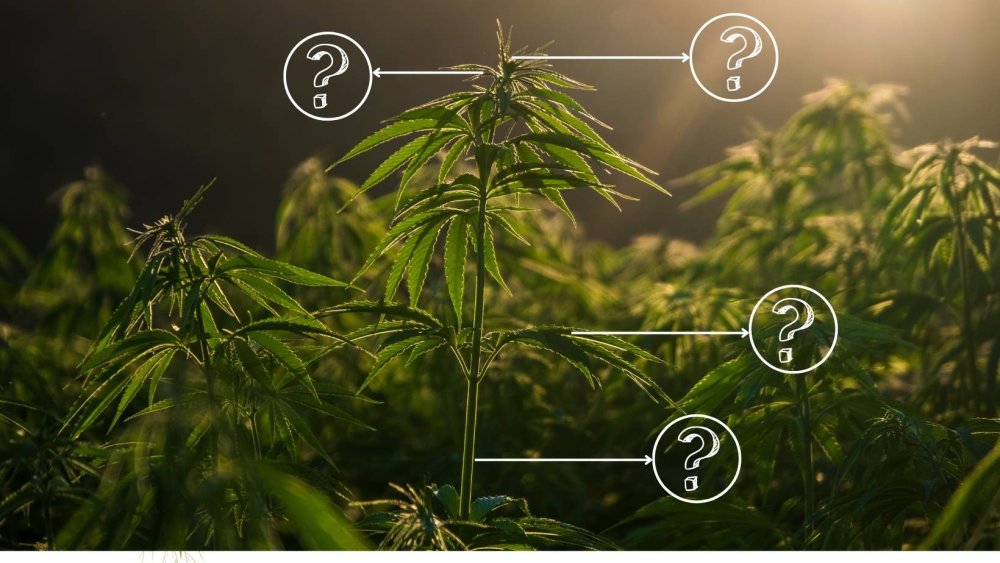


Genetic Structure of Cannabis: A Scientific Perspective
Cannabis has experienced exponential growth in popularity over the last few decades, becoming an object of study for plant genetics collectors all over the world. For enthusiasts who collect cannabis seeds, understanding the anatomy of this fascinating plant is essential to appreciate the complexity of its genetic material.
The anatomy of cannabis reveals secrets about aromatic profiles, terpene composition, and hereditary characteristics that make each variety a unique piece in any cannabis genetics collection.
Sexual Dimorphism in Cannabis Genetics
Characteristics of Female vs Male Plants
In the world of cannabis genetics, female plants are especially valued for their ability to develop dense resinous floral structures rich in cannabinoids and terpenes. These characteristics make female genetics highly appreciated by collectors.
Collectors usually prefer feminized seeds or autoflowering varieties, which guarantee more than 95% female plants in their genetic offspring.
Male plants have a more slender morphology and reach maturity approximately one month before females. In contrast, female plants tend to be more compact and develop the characteristic sessile flowers full of calyces and pistils that define their genetic profile.
Early Sex Identification
Cannabis plants show visual indicators of their sex after approximately 6-8 weeks of development. At the nodes, the so-called preflowers form (pistils or white hairs that constitute the embryo of the buds), through which it is possible to determine whether it is a male or female plant.
Hermaphroditism in Cannabis
Cannabis is a dioecious species, meaning that each individual plant develops male or female reproductive organs exclusively. However, there is a third possibility: hermaphrodite plants that exhibit characteristics of both sexes.
Hermaphroditism in cannabis frequently results from specific stress experienced during development, such as diseases, physical damage, or adverse environmental conditions. These hermaphrodite plants possess the same pollination capacity as males, so they require isolation to preserve the genetic purity of female lines.
Anatomical Components of the Cannabis Plant
Seeds and Seedlings: The Genetic Origin
Cannabis seeds are produced when a female plant is pollinated by a male. The pollen is deposited on the stigma (pistil) and initiates the seed formation process. Each newly formed seed carries the genetic properties of both parents, creating unique combinations of aromatic profiles and chemical composition.
The seedling phase is delicate and requires specific conditions of light, substrate moisture, and moderate ambient humidity for optimal development.
Root System: The Nutritional Base
Cannabis roots have a white-cream coloration and form an extensive network that supplies the plant with all necessary minerals and nutrients. This system can develop in soil, but also in coconut fiber, hydroponics, aeroponics, rockwool, and other substrates. What matters most is that the plant receives an adequate supply of water and essential nutrients.
Aerial Structure: Stems and Branches
Secondary branches emerge from the main stem. The characteristic fibrous structure of the stem has been valued for centuries for hemp fiber production. Branches may require additional support in high-yielding varieties due to the weight of their floral structures.
Nodes and Internodes
A node represents the point where the main stem and a branch meet. Preflowers, immature reproductive structures, develop at the nodes and, in female plants, can evolve into mature flowers. The distance between nodes, known as internodal distance, can indicate whether a variety will reach considerable heights or maintain compact growth.
Foliage and Photosynthesis
Fan leaves constitute the most recognizable trait of cannabis. They can reach the size of a hand or even larger. These leaves represent one of the main photosynthetic areas and facilitate the conversion of light energy for cellular growth.
Sugar Leaves: Reservoirs of Compounds
Sugar leaves are small pointed leaves located among the flowers. These tiny structures also participate in light absorption during photosynthesis. They are frequently covered in trichomes, which makes them reservoirs of resin with high cannabinoid content.
Some varieties present abundant sugar leaves, while others develop them in smaller quantities. Their richness in resin and cannabinoids makes them valuable material for the extraction of aromatic compounds and the production of concentrates such as hashish and essential oils.
Trichomes and Chemical Profile
Trichomes represent the most fascinating structures from a chemical point of view. These microscopic glands contain the highest concentration of cannabinoids and terpenes, determining the aromatic profile and unique properties of each variety.
The density and maturation of trichomes vary significantly among different genetics, making each variety a unique chemical composition. For collectors, these differences represent the genetic diversity that makes cannabis such a rich species in varieties and aromatic profiles.
Understanding the anatomy of cannabis from a scientific perspective allows collectors to appreciate the genetic complexity of their collector seeds and the extraordinary diversity that characterizes this fascinating plant species.