


 English (English)
 Deutsch (German)
 Čeština (Czech)
 Italiano (Italian)
 Hrvatski (Croatian)
 Română (Romanian)
 български език (Bulgarian)
 Magyar (Hungarian)
 Español (Spanish)
 Français (French)
 Nederlands (Dutch)
 Polski (Polish)
 Slovenčina (Slovak)
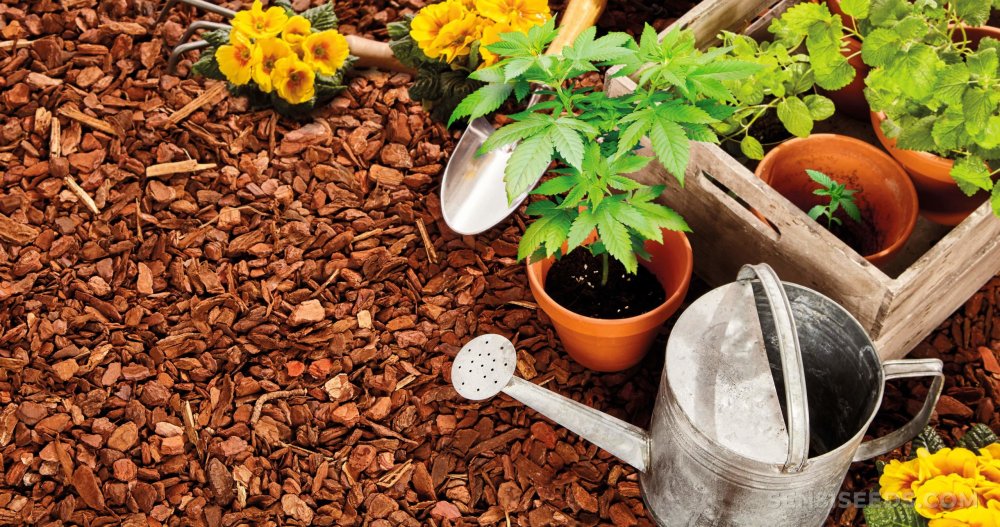



Companion planting for cannabis collectible seeds: Innovative strategies for protecting genetic material
Collectors passionate about cannabis genetic material understand the importance of maintaining an optimal environment for preserving these valuable botanical specimens. Companion planting is a sophisticated method in which various beneficial plant species are grown alongside cannabis specimens, creating a natural protective ecosystem. This advanced technique not only protects the genetic integrity of the plants, but also contributes to the development of complex aromatic profiles and the distinctive chemical composition of each collectible variety.
The companion planting strategy works by creating a complex network of plant interactions that favor the optimal development of terpenes and cannabinoids in cannabis genetic material. Companion plants not only offer natural protection against disruptive factors, but can also stimulate superior genetic expression of the aromatic profiles characteristic of different collectible varieties.
Scientific foundations of beneficial plant associations
The mechanisms through which companion planting influences the development of cannabis genetic material are fascinating from a botanical perspective. When certain plant species are grown in proximity to cannabis specimens, a specialized microenvironment is created that favors the biosynthesis of aromatic compounds and secondary metabolites essential to the distinctive characteristics of each genetics.
Companion plants can stimulate terpene production through various biochemical mechanisms. For example, root-level interactions can influence the absorption of nutrients needed for the synthesis of these complex aromatic compounds. At the same time, the presence of certain plant species can modulate microclimatic conditions around cannabis specimens, thereby optimizing conditions for full genetic expression.
Biodiversity and ecosystem balance within a collection
A crucial aspect of companion planting lies in creating a diversified ecosystem that supports the optimal development of cannabis genetic material. Increased biodiversity through the introduction of suitable companion plants stabilizes environmental conditions and provides support for beneficial soil microorganisms, which play an essential role in plant nutrition and the development of distinctive chemical profiles.
Selecting companion plants for premium cannabis collections
Choosing the right companion plants for collectible cannabis genetic material requires an in-depth understanding of the botanical and chemical properties of each species. Each companion plant contributes uniquely to the protection and improvement of the genetic quality of cannabis specimens, influencing aspects such as terpene profile, cannabinoid concentration and overall plant resilience.
Basil: A natural terpene stimulator
Basil (Ocimum basilicum) is considered one of the most valuable companion plants for collectible cannabis genetics. This aromatic plant not only offers natural protection against disruptive factors, but also has the remarkable ability to stimulate terpene production in nearby cannabis specimens. Experienced collectors frequently report more complex and intense aromatic profiles in specimens grown alongside basil.
The mechanism through which basil influences terpene biosynthesis in cannabis appears to be linked to the volatile compounds it releases into the environment. These compounds can stimulate the metabolic pathways responsible for terpene production in cannabis plants, resulting in richer and more nuanced aromatic profiles.
Sunflower: Physical protection and condition optimization
Sunflower (Helianthus annuus) offers multiple benefits for cannabis genetic material collections. Thanks to the impressive height it can reach, this plant acts as a natural protective barrier against strong winds and unfavorable weather conditions. At the same time, the sunflower's extensive root system improves soil structure and facilitates optimal drainage, creating ideal conditions for the development of cannabis specimens.
A particularly valuable aspect of sunflowers in companion planting is their ability to attract beneficial insects that help maintain the ecosystem's natural balance. These useful insects help with the natural control of disruptive factors and support the overall health of the collection.
Lavender: Aromatic protector and pollinator stimulator
Lavender (Lavandula angustifolia) brings exceptional aromatic and protective benefits to cannabis genetic material. Lavender's complex chemical profile, rich in terpenes such as linalool and linalyl acetate, can positively influence the development of cannabis aromatic profiles. Collectors appreciate how the presence of lavender appears to intensify the floral and relaxing notes of certain cannabis genetics.
Lavender's protective properties are just as impressive as its aromatic benefits. Lavender's natural compounds effectively repel various unwanted organisms, while attracting beneficial pollinators that contribute to the overall vitality of the collection's ecosystem.
Dill: Optimizer of microclimatic conditions
Dill (Anethum graveolens) is a versatile companion plant for cannabis collections, recognized for its ability to create favorable microclimatic conditions. This aromatic plant releases volatile compounds that not only repel disruptive factors, but also appear to stimulate metabolic activity in nearby cannabis plants.
Collectors frequently observe that cannabis specimens grown alongside dill show more balanced chemical profiles and increased resistance to environmental stress. This companion plant seems to optimize conditions for the full genetic expression of collectible cannabis material.
Implementing companion planting strategies for premium collections
The success of companion planting for collectible cannabis genetic material depends on careful planning and an understanding of the complex interactions between different plant species. Experienced collectors develop customized companion planting strategies based on the specific characteristics of the genetics in their collection and their desired goals regarding the development of aromatic and chemical profiles.
An effective approach involves creating specialized zones within the collection, where different combinations of companion plants are tested for optimizing conditions specific to certain types of cannabis genetics. This method allows for direct observation of the effects of various plant associations on the development of genetic material and on the quality of the resulting aromatic profiles.
Careful monitoring of the interactions between companion plants and cannabis specimens provides valuable information about how companion planting influences genetic expression and the development of distinctive chemical compounds. These observations contribute to the continuous refinement of companion planting techniques and to optimizing conditions for each type of genetic material in the collection.