


 English (English)
 Deutsch (German)
 Čeština (Czech)
 Italiano (Italian)
 Hrvatski (Croatian)
 Română (Romanian)
 български език (Bulgarian)
 Magyar (Hungarian)
 Español (Spanish)
 Français (French)
 Nederlands (Dutch)
 Polski (Polish)
 Slovenčina (Slovak)

Understanding the Vegetative Phase of Cannabis: A Botanical Approach
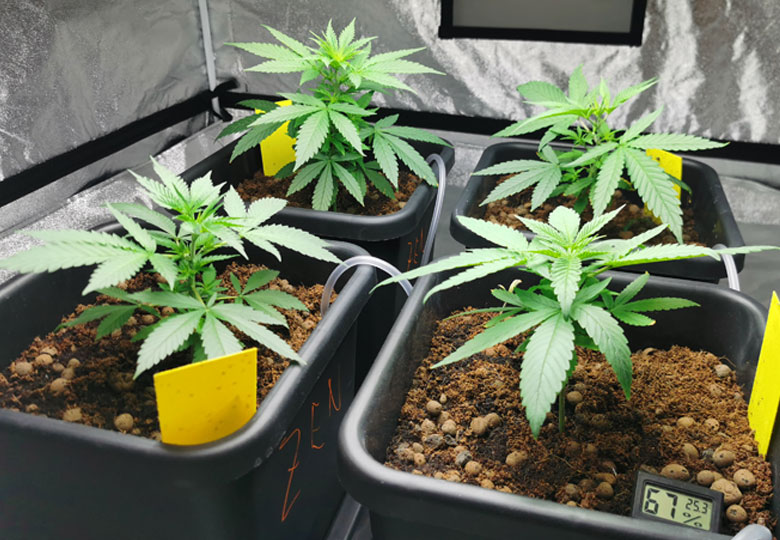
The vegetative phase represents a crucial period in the theoretical development of cannabis genetics. This fascinating stage follows germination and precedes the formation of inflorescences, making it a key moment for studying the hereditary characteristics of these exceptional collector's seeds.
During this period, the plant develops its first rounded leaves called cotyledons, followed by the appearance of the characteristic palmate leaves. This biological process allows the genetics to reveal their unique structural properties, giving collectors a theoretical perspective on the potential of their specimens.
This information concerns exclusively the theoretical study of genetics and is presented in a purely educational and scientific context. Collector's seeds are intended solely for genetic preservation and botanical research.
The Fundamental Biological Processes of Vegetative Growth
The vegetative phase is characterised by intensive development of the root system, stems and foliage, without the formation of reproductive organs. This period makes it possible to observe the distinctive genetic traits of each collector's variety.
For photoperiod genetics, the duration of this phase theoretically depends on daily light exposure. A light cycle of more than 18 hours keeps the plant in vegetative growth, while autoflowering genetics follow a predetermined schedule regardless of light conditions.
Characteristics of Different Genetic Types
- Photoperiod varieties: Respond to changes in photoperiod to trigger flowering
- Autoflowering varieties: Develop according to a preprogrammed internal genetic rhythm
- Complex hybrids: Combine various parental characteristics for unique profiles
This genetic diversity is what makes collector's seeds so rich, with each variety presenting distinct botanical properties worthy of in-depth study.
Optimal Environmental Conditions for Theoretical Study
Theoretical analysis of environmental requirements reveals fascinating aspects of how these genetics adapt. The ideal temperature would be between 20-26°C, with a relative humidity of 60-70% to favour optimal development of vegetative characteristics.
Theoretical Nutritional Needs
Cannabis genetics have specific nutritional requirements during the vegetative phase. Nitrogen is the primary element for the development of vegetative structures, complemented by phosphorus and potassium in balanced proportions.
A theoretical approach suggests an NPK ratio of 3-1-2 during this period, allowing harmonious development of plant tissue. This scientific information helps collectors understand the underlying biological mechanisms of their specimens.
Water Management and Aeration
Water balance is a crucial aspect of botanical study. A healthy root system requires a well-drained substrate with adequate oxygenation. Excess moisture can theoretically compromise root development, while a water deficit limits the expression of genetic potential.
Knowledgeable collectors use measuring instruments to precisely assess these parameters, bringing a scientific dimension to their passion.
Light Aspects and Spectra for Genetic Analysis
The study of light requirements reveals fascinating information about the evolutionary adaptation of these genetics. The blue spectrum (400-500nm) theoretically favours compact vegetative development, while red wavelengths encourage internode elongation.
A light intensity of 200-400 μmol/m²/s is theoretically an optimal value for the expression of vegetative characteristics, allowing the full genetic potential to be observed without light stress.
Lighting Technologies for Research
- Full-spectrum LEDs: Allow precise control of wavelengths
- T5 fluorescents: Suitable for studying young specimens
- HPS lighting: Provide high intensity for analysing vigorous genetics
Training Techniques and Morphological Observation
The study of vegetative training techniques offers unique perspectives on genetic plasticity. Apical pinching, LST (Low Stress Training) and SCROG (Screen of Green) are all theoretical methods for analysing how genetics react to external stimuli.
These approaches make it possible to observe how different feminized genetics express their hereditary traits under stress, revealing fascinating aspects of their adaptability.
Optimal Duration of the Vegetative Phase
The theoretical duration of this phase varies depending on research objectives. A period of 4-8 weeks generally allows the full expression of vegetative characteristics to be observed, while longer durations reveal the maximum development potential of each genetic line.
This temporal flexibility is a considerable advantage for collectors wishing to deepen their understanding of the underlying genetic mechanisms.
Common Issues and Study Solutions
Analysing potential difficulties considerably enriches botanical understanding. Nutritional deficiencies manifest as specific colour changes in the foliage, offering valuable clues about particular genetic needs.
Problems with excess moisture can theoretically cause root dysfunction, while significant temperature fluctuations disrupt the optimal expression of hereditary traits.
This scientific approach allows genetics enthusiasts to develop in-depth expertise in observing and understanding these remarkable collector's specimens, thereby contributing to the preservation and study of cannabis genetic diversity.