


 English (English)
 Deutsch (German)
 Čeština (Czech)
 Italiano (Italian)
 Hrvatski (Croatian)
 Română (Romanian)
 български език (Bulgarian)
 Magyar (Hungarian)
 Español (Spanish)
 Français (French)
 Nederlands (Dutch)
 Polski (Polish)
 Slovenčina (Slovak)


Legal status of cannabis in the European Union (as of 25 September 2026)
- The EU has no single cannabis law: it sets a common framework for hemp farming, trade and drug trafficking, while recreational use is regulated by each Member State.
- CBD lawfully produced in one Member State may in principle be sold in another; a national ban is allowed only if it is suitable to protect public health and does not go beyond what is necessary. The Court held that such CBD is not a narcotic drug under the 1961 Single Convention (Articles 34 and 36 TFEU, Case C-663/18 Kanavape, paras 76 and 96).
- Industrial hemp qualifies for CAP direct payments only if the THC content of the variety does not exceed 0.3 % (Art. 4(4) Regulation (EU) 2021/2115); THC control methods are set by the Commission (Art. 60(4)(a) Regulation (EU) 2021/2116).
- Member States may restrict how hemp is grown, for example ban indoor hydroponic cultivation, if the restriction is suitable and proportionate for protecting public health (Case C-793/22 Biohemp Concept, 4 October 2024).
- Member States must make intentional unlawful cultivation of cannabis plants and drug trafficking a criminal offence (Art. 2(1)(b) Framework Decision 2004/757/JHA, as quoted in Case C-271/23).
- Rules on recreational cannabis differ widely: Germany allows adults to possess up to 25 g in public, 50 g at home and three plants (§ 3 and § 9 KCanG), while in Czechia personal use becomes a criminal offence only above 5 plants, 200 g at home or 50 g elsewhere, and plants with up to 1 % THC are excluded (§ 285 Czech Criminal Code).
“Články 34 a 36 SFEU musí být vykládány v tom smyslu, že brání vnitrostátní právní úpravě, která zakazuje uvádět na trh CBD, který je legálně vyprodukován v jiném členském státě, v případě, že je extrahován z celé rostliny cannabis sativa, a nikoli pouze z jejích vláken a semen, ledaže je tato právní úprava s to zaručit naplnění cíle ochrany veřejného zdraví a nepřekračuje meze toho, co je k dosažení tohoto cíle nezbytné.”
[Translation: “Articles 34 and 36 TFEU must be interpreted as precluding national legislation which prohibits the marketing of CBD lawfully produced in another Member State when it is extracted from the Cannabis sativa plant in its entirety and not solely from its fibre and seeds, unless that legislation is appropriate for securing the attainment of the objective of protecting public health and does not go beyond what is necessary for that purpose.”]
This overview is based on legislation and case law in the legal database Europaius. It is not legal advice.
Cannabis is gaining increasing popularity in Europe. Studies have found that in some EU countries, up to one in ten adults use it recreationally. Moreover, governments are increasingly voting for decriminalization of this drug, and several countries are even seeking complete legalization. So what's the situation with cannabis in Europe? Where is it legal and where is it not? And what future awaits the European cannabis market?
Cannabis Legality in European Countries
As with other addictive substances, it's important to know the laws and regulations before considering consumption. You should familiarize yourself with the list below before thinking about using cannabis in the mentioned European states.
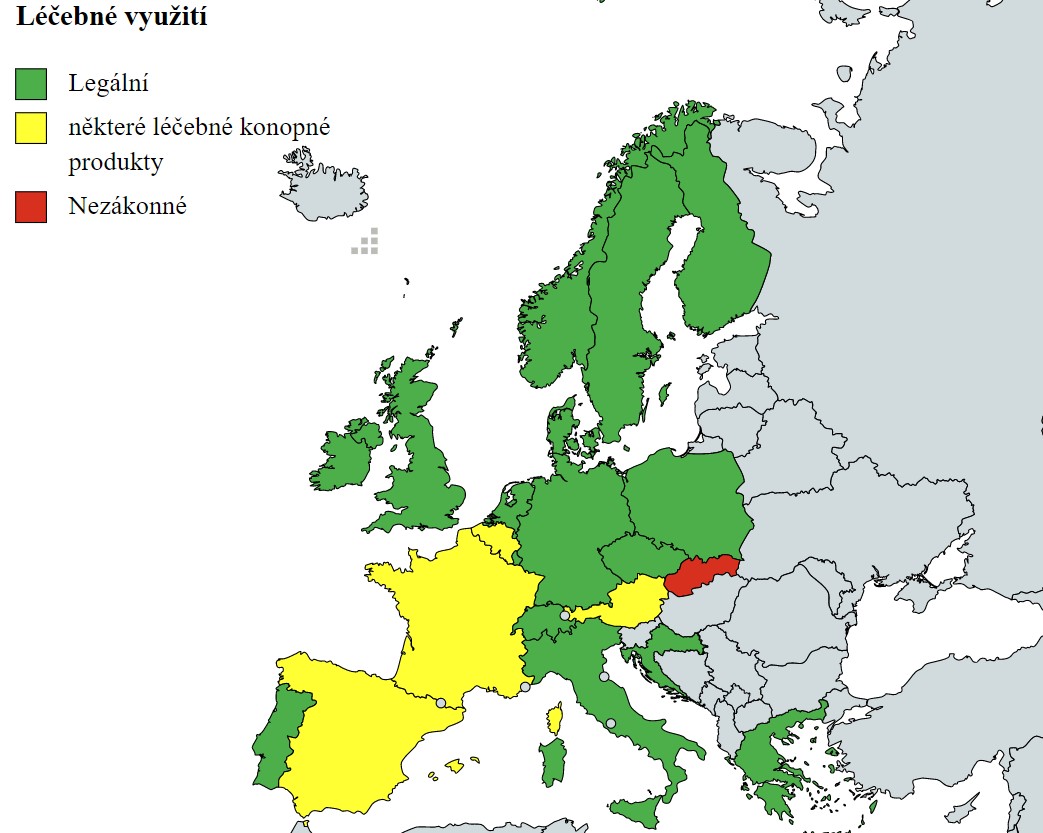
Medical Cannabis Use
Recreational Cannabis Use Remains Illegal
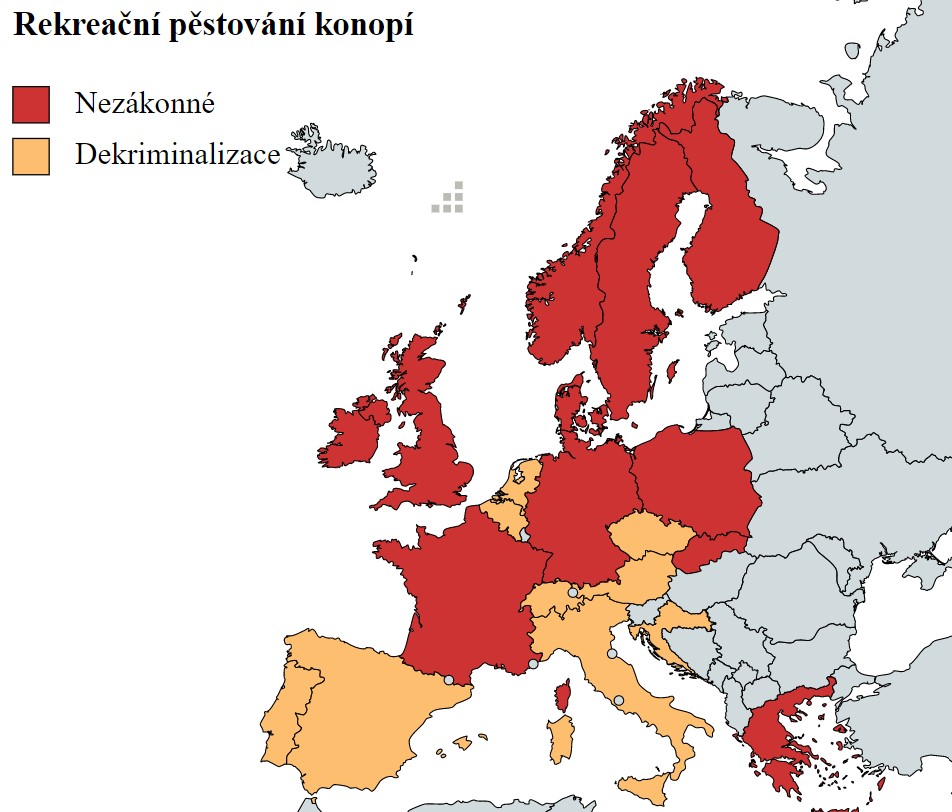
No government in Europe supports the legalization of cannabis sales for recreational purposes and in all countries, illegal sales are punishable by imprisonment. In recent years, several draft laws and initiatives in regions or cities have been proposed to national parliaments, but were rejected at the national level.
Coffee Shops in the Netherlands
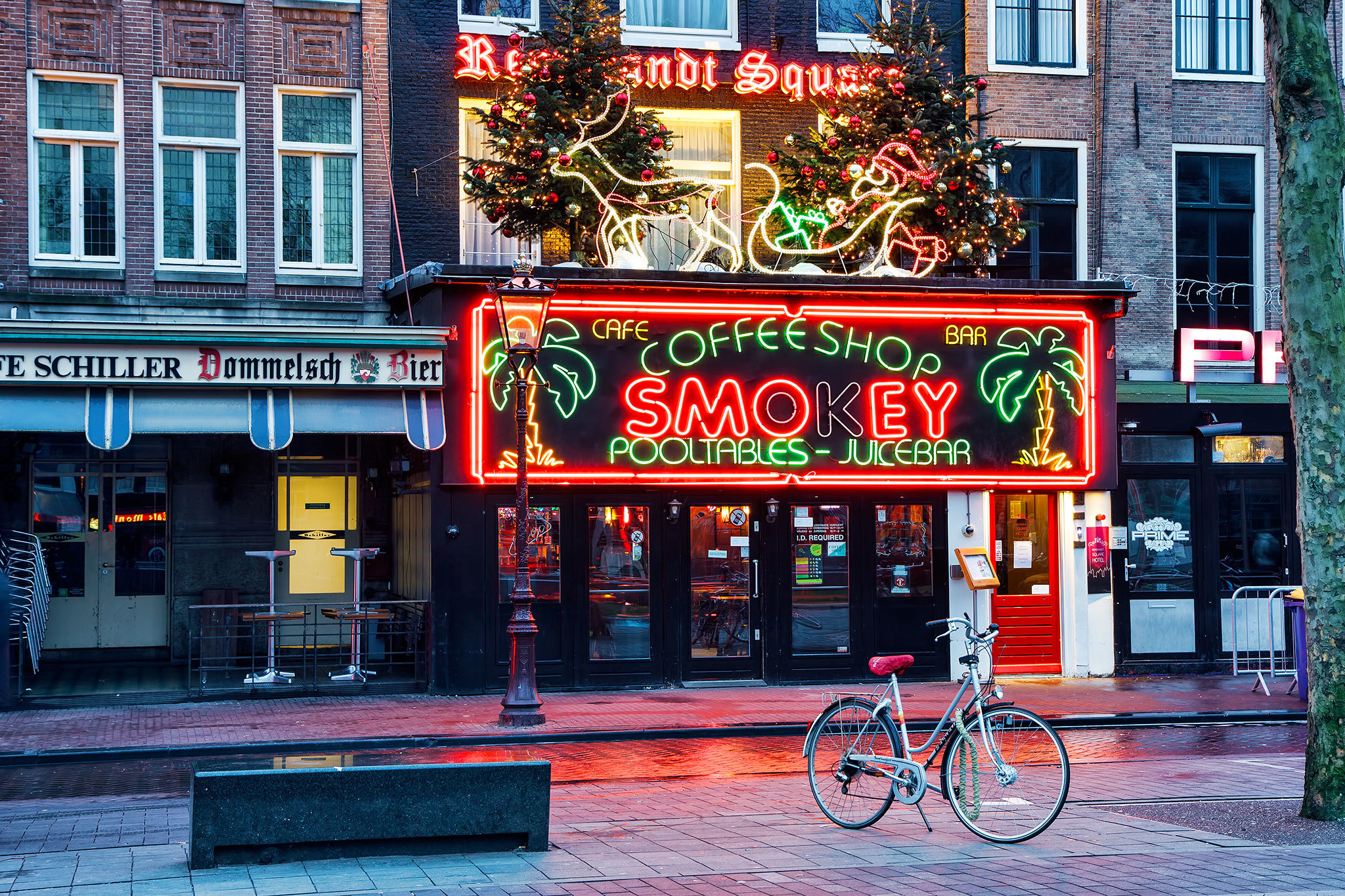
Coffee shops in the Netherlands serve as cannabis stores, which began appearing in the 1970s. In 2014, there were 591 coffee shops in the Netherlands, with nearly a third located in Amsterdam.
Sale and personal possession are punishable by imprisonment under Dutch law. Coffee shops are tolerated provided they adhere to strict criteria published in the prosecution guidelines.
Which European Countries Might Legalize Cannabis in 2022?
The idea of cannabis legalization is relatively new in Europe, although each European country has a long history of legalization efforts.
In some European countries, the medical cannabis market has taken hold. Access to medical cannabis in Europe has helped spread knowledge about cannabis among many people and highlighted its healing effects. However, the stigma surrounding cannabis remains widespread in European society.
In December 2021, the Maltese government allowed its citizens to grow up to six plants at home, possess seven grams, and enable citizens to establish social cannabis clubs. Although sales are still prohibited, this represents an important milestone for the cannabis market in Europe. As Malta became the first EU country to legalize recreational cannabis, many are wondering which European country will be next to legalize recreational cannabis.
After legalization in Malta, enthusiasm for recreational cannabis legalization moved to Germany, when the new coalition government announced an intention to legalize recreational cannabis. However, at the current stage, no legalization plan exists. No proposals for regulating and creating a cannabis market in Germany have been developed yet.
It's too early to tell when and how the German coalition government will legalize cannabis. However, legalization would mean a fundamental turning point for the cannabis industry in Europe. The first European country to fully legalize cannabis will have a strong position to dominate the crucial initial phase of cannabis supply in Europe. It will attract numerous investments, new companies, and jobs.
Want to learn more about cannabis legalization? Visit our blog, where you'll find numerous articles about cannabis legalization in Czechia and other countries.Similar Articles
- Currently: CBD Legalization in Slovakia
- Cannabis Legalization 2021: CBD Legality Worldwide
- Pirate Proposal - Cannabis Legalization