


 English (English)
 Deutsch (German)
 Čeština (Czech)
 Italiano (Italian)
 Hrvatski (Croatian)
 Română (Romanian)
 български език (Bulgarian)
 Magyar (Hungarian)
 Español (Spanish)
 Français (French)
 Nederlands (Dutch)
 Polski (Polish)
 Slovenčina (Slovak)
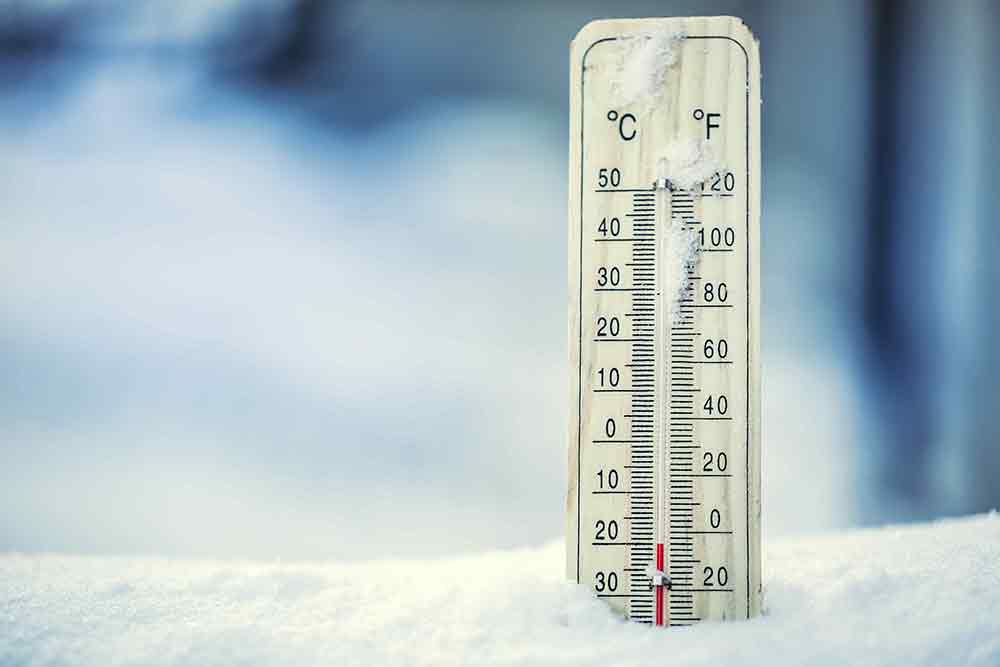


Proper cannabis care in various weather conditions is the key to successful cultivation. In this article, you will learn what weather is ideal for cannabis, what is the optimal temperature for outdoor and greenhouse growing, and how to effectively protect plants from rain and adverse weather.
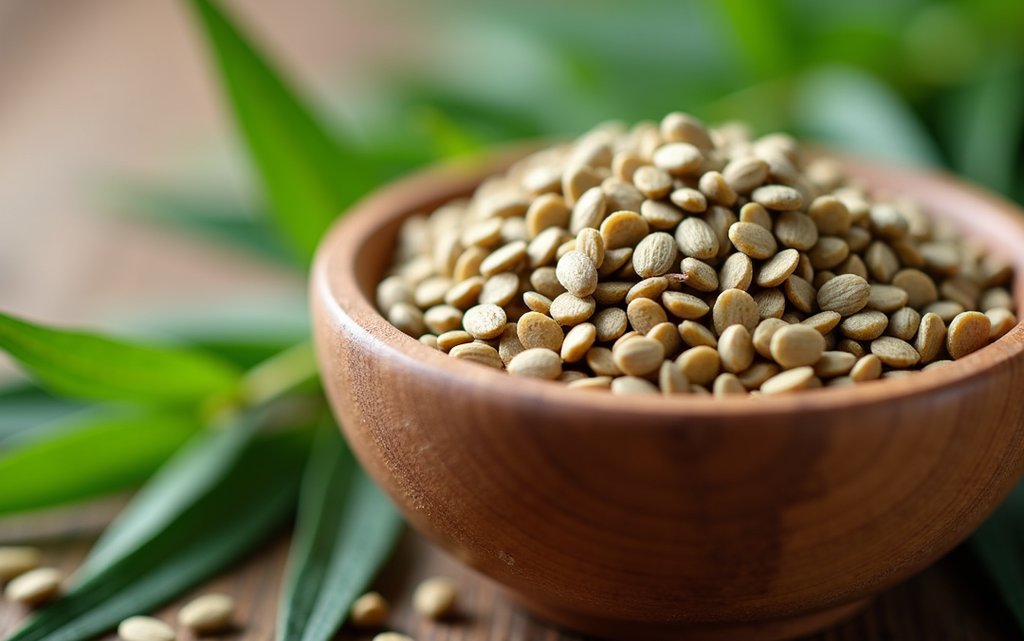
The climatic conditions play a fundamental role in the development of cannabis genetics and the preservation of their unique characteristics. For seed collectors and cannabis genetics enthusiasts, understanding how climate influences these plants is essential to fully appreciate the potential of each variety.
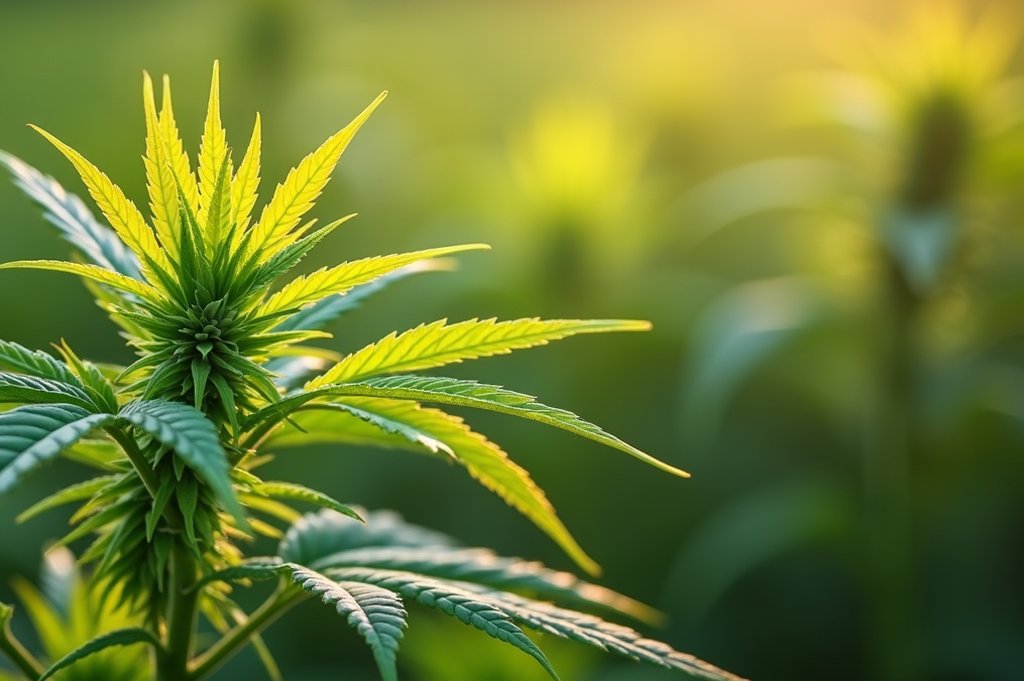
Adaptation of Genetics to Different Climatic Zones
Cannabis is an extraordinarily adaptable species that has developed specific characteristics according to its geographical origin. This adaptability is reflected in the genetic diversity we find in modern collectible seeds.
Mediterranean Varieties - Warm Climate Genetics
Genetics originating from southern Europe have evolved to thrive in conditions of high luminosity and elevated temperatures. These varieties typically have longer flowering periods and develop complex terpene profiles when exposed to suitable climatic conditions. However, intense heat can also increase susceptibility to certain pathogens.
Nordic Genetics - Cold Adaptation
Varieties adapted to colder climates have developed fascinating characteristics: shorter life cycles, greater resistance to fungi, and the ability to complete their development even with fewer hours of sunlight. These genetics are especially valued by collectors seeking climatic resilience.
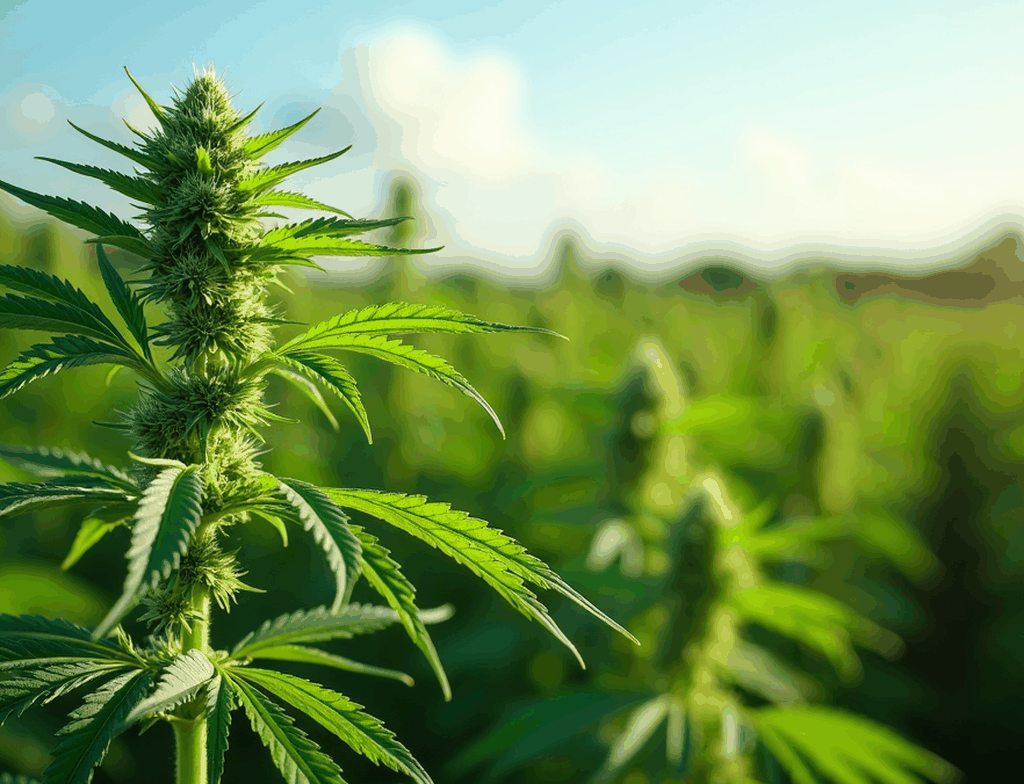
Optimal Temperature Ranges for Cannabis Genetics
Each phase of plant development of cannabis has specific thermal requirements that directly affect the expression of their genetic characteristics and the production of aromatic compounds.
Vegetative Phase - Structural Development
During this crucial stage, cannabis genetics show their maximum growth potential in the following ranges:
- Daytime temperature: 20-30°C
- Nighttime temperature: 8°C below daytime temperature
- Relative humidity: 40-70%
Flowering Phase - Trichome Development
The reproductive phase is critical for the expression of the aromatic profile and the production of cannabinoids:
- Daytime temperature: 18-26°C
- Nighttime temperature: 10-18°C
- Thermal variation: Essential for terpene synthesis
Important note: Excessively high temperatures during flowering can degrade terpenes and reduce aromatic potency, altering the characteristic profile of each genetic.
Greenhouse Cultivation - Climatic Control
Greenhouses offer an ideal controlled environment for studying genetics:
- Temperature range: constant 21-27°C
- Protection: Against extreme climatic variations
- Advantage: More predictable expression of genetic characteristics
Impact of Adverse Climatic Conditions
Extreme weather conditions can significantly affect the phenotypic expression of cannabis genetics, altering their distinctive characteristics.
🌡️ Stress from Excessive Heat
High temperatures can cause several effects on genetics:
- Reduction of photosynthetic activity
- Accelerated evaporation of aromatic compounds
- Alteration in the density and structure of flowers
- Changes in the characteristic coloration of certain varieties
🌧️ Excess Humidity and Precipitation
High humidity presents specific challenges:
- Unwanted prolongation of the vegetative phase
- Risk of root rot
- Development of gray mold on flower structures
- Dilution of essential oils
❄️ Stress from Cold
Low temperatures affect plant metabolism:
- Stoppage of growth below 15°C
- Severe thermal shock below 13°C
- Changes in coloration (anthocyanins)
- Alteration in maturation times
Climate Protection Strategies
For collectors interested in preserving the genetic integrity of their specimens, there are various protection techniques:
Protection against Strong Winds
Intense winds can damage plant structure and affect their development:
- Installation of natural windbreaks
- Use of support structures
- Selection of protected locations
Humidity Management
Humidity control is crucial for preserving aromatic characteristics:
- Adequate ventilation in enclosed spaces
- Efficient soil drainage
- Constant monitoring of humidity levels
Cannabis genetics represent an invaluable botanical heritage that requires understanding and respect for their specific climatic needs. Each variety tells a unique evolutionary story, reflected in its adaptation to particular environmental conditions, making them fascinating pieces for any serious collection of cannabis genetic material.