


 English (English)
 Deutsch (German)
 Čeština (Czech)
 Italiano (Italian)
 Hrvatski (Croatian)
 Română (Romanian)
 български език (Bulgarian)
 Magyar (Hungarian)
 Español (Spanish)
 Français (French)
 Nederlands (Dutch)
 Polski (Polish)
 Slovenčina (Slovak)
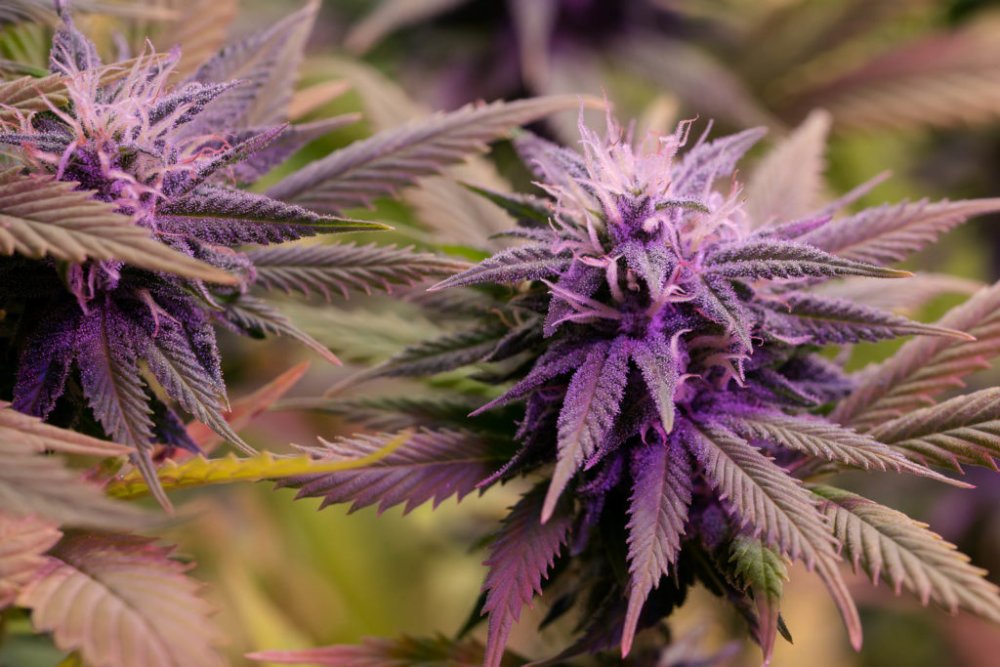


The Fascination of Colorful Cannabis Varieties: A Matter of Genetics
The world of collector's cannabis fascinates with the extraordinary chromatic diversity this plant's genetic material can display. While all cannabis varieties naturally display green hues, more experienced enthusiasts and collectors know well that there are genetics capable of developing an incredible range of colorations. Purple, pink, blue, red, orange, and even black shades characterize some of the most prized varieties, creating a true botanical kaleidoscope that goes well beyond aesthetics.
These colorations aren't random - they represent specific genetic characteristics that tell the story of the evolutionary history and chemical properties of each individual variety. Understanding the mechanisms that determine these colorations means delving into the deepest secrets of plant biochemistry and genetic selection.
The Science of Pigments: Chemistry and Biology of Coloration
The different colorations observable in collector's cannabis varieties derive mainly from two fundamental factors: natural pigments and environmental factors. Pigments are coloring substances, generally insoluble in water, that represent the chemical compounds responsible for the coloration of plant tissues.
Chlorophyll: The Dominant Green
Chlorophyll constitutes the primary pigment present in practically all higher plants. This chemical compound, essential for photosynthesis, gives plant tissue its characteristic green coloration. Chlorophyll is concentrated in chloroplasts, cellular organelles specialized in capturing and converting light energy into chemical energy usable by the plant.
During active growth phases, the abundant production of chlorophyll often masks other pigments present, making green the dominant color. However, when chlorophyll production decreases, generally toward the end of the plant's life cycle, the colorations determined by other chemical compounds emerge.
Flavonoids: The Masters of Color
Flavonoids represent a class of phenolic compounds responsible for much of the chromatic diversity in the plant kingdom. These secondary metabolites not only determine colorations ranging from yellow to red, blue to purple, but also perform crucial protective functions for the plant. Flavonoids indeed protect plant tissues from UV radiation and contribute to resistance against pathogens and environmental stress.
In cannabis genetic material, flavonoids can accumulate in different concentrations depending on the variety, producing unique and characteristic hues that become true distinctive genetic markers.
Carotenoids: Warmth and Luminosity
Carotenoids are responsible for the warm tones that characterize many prized varieties: intense reds, oranges, and yellows result from the accumulation of these compounds. Beyond their aesthetic role, carotenoids perform fundamental biological functions, assisting in the absorption of solar energy and acting as precursors for the synthesis of important vitamins.
In collector's cannabis varieties, a significant presence of carotenoids often indicates genetics with complex terpene profiles and particularly rich organoleptic characteristics.
Environmental Factors and Genetic Expression
Although genetics determine a variety's chromatic potential, environmental factors significantly influence the expression of these characteristics. Understanding these mechanisms is essential to fully appreciate the complexity of cannabis genetic material.
Temperature and Pigment Activation
Temperature variations are one of the most influential factors in chromatic expression. Lower temperatures tend to reduce chlorophyll production, allowing other pigments to emerge. This phenomenon explains why many varieties develop more intense colorations during cooler periods of the growing cycle.
Low temperatures also activate the antifreeze properties of certain compounds, such as anthocyanins, intensifying the blue and purple colorations characteristic of certain prized genetics.
Nutrition and Metabolic Stress
The availability of specific nutrients, particularly nitrogen and phosphorus, directly influences chromatic expression. Controlled nutritional deficiencies can encourage the emergence of alternative colorations, while nutrient excesses tend to keep chlorophyll's green coloration dominant.
Iconic Varieties and Their Chromatic Profiles
Purple and Blue Genetics: Elegance and Refinement
Varieties characterized by purple and blue hues represent some of the most sought-after genetics among collectors. These colorations derive mainly from the presence of anthocyanins, compounds that typically appear during plant maturation. Varieties like Purple Kush have become legendary precisely for these unique chromatic characteristics.
Anthocyanins not only lend aesthetic beauty, but often correlate with complex terpene profiles and distinctive organoleptic properties, making these genetics particularly prized for their sensory characteristics.
Orange and Golden Hues
Genetics that develop orange and yellow colorations, such as certain selections of specific varieties, owe these characteristics to the accumulation of carotenoids. These pigments typically emerge when chlorophyll production decreases, revealing warm, luminous shades that characterize mature genetic material.
Red and Pink Varieties: Rarity and Prestige
Red and pink colorations represent some of the rarest and most prestigious genetic characteristics in the world of collector's cannabis. These hues result from the combination of carotenoids and anthocyanins, creating unique shades that testify to the biochemical complexity of these exceptional genetics.
The rarity of these colorations makes them particularly coveted by the most experienced collectors, who regard them as true genetic jewels to be preserved and studied.
Meaning and Value of Colorations in a Collection
For the experienced collector, colorations represent much more than a simple aesthetic aspect. They constitute valuable genetic indicators that tell the evolutionary history of each variety, its biochemical characteristics, and its potential in terms of aromatic profiles and organoleptic properties.
Colored varieties often display unique terpene compositions and distinctive cannabinoid profiles, making them particularly interesting for studying cannabis genetic diversity. This biochemical complexity translates into rich, multifaceted sensory experiences that enrich any serious collection.
The preservation of these colored genetics thus takes on value that goes beyond collecting, contributing to the conservation of the genetic biodiversity of one of the most fascinating and complex plants in the plant kingdom.