


 English (English)
 Deutsch (German)
 Čeština (Czech)
 Italiano (Italian)
 Hrvatski (Croatian)
 Română (Romanian)
 български език (Bulgarian)
 Magyar (Hungarian)
 Español (Spanish)
 Français (French)
 Nederlands (Dutch)
 Polski (Polish)
 Slovenčina (Slovak)
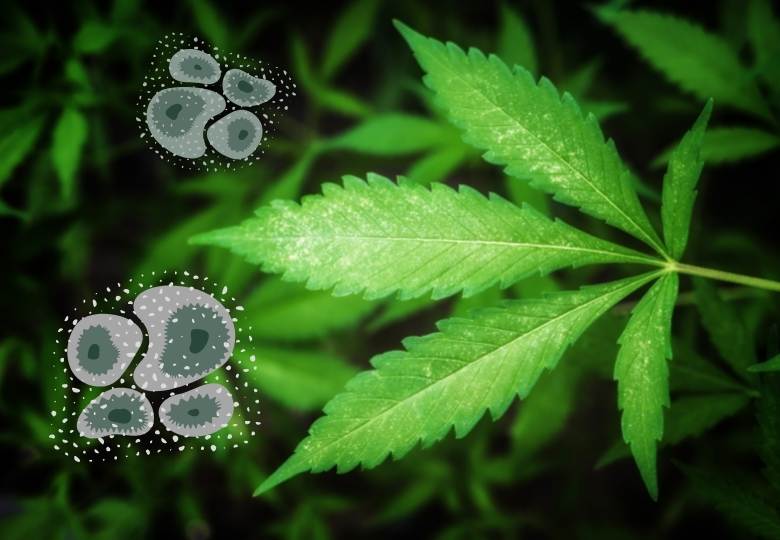



Mold on cannabis is one of the most serious challenges collectors of genetics face. These fungal infections can compromise the integrity of genetic material and ruin months of careful preservation. Understanding their mechanisms of onset and development is essential to maintaining the quality of our collector's seeds.
Conditions That Favor Fungal Development
Fungal pathogens thrive in specific environments that, paradoxically, often coincide with the optimal conditions for the development of cannabis genetics. Understanding these factors is crucial for any serious collector.
Critical Environmental Factors
Excessive humidity combined with high temperatures creates the perfect scenario for fungal proliferation. When these parameters deviate from the ideal ranges, spores find favorable conditions to germinate and establish themselves. Mechanical damage to plant tissue acts as an entry point, facilitating pathogen penetration.
During the vegetative phase, the leaf density characteristic of many genetics significantly reduces air circulation. This condition, combined with the plants' natural transpiration, considerably raises relative humidity levels in the microclimate, creating risk zones where mold can easily establish itself.
Risks in the Final Flowering Phase
The final weeks of flowering present the greatest risk of fungal contamination. The dense, compact floral structures characteristic of premium genetics offer multiple microenvironments where moisture accumulates. It is precisely at this stage that Botrytis cinerea finds ideal conditions for its development.
- Progressive yellowing of peripheral leaves
- Abnormal leaf shedding
- Color changes in floral structures
- Appearance of whitish or grayish cottony masses
Identifying Mold on Genetic Material
Early detection is essential for preserving the integrity of our collector's genetics. Fungal symptoms manifest in various ways, depending on the type of pathogen and environmental conditions.
Characteristic Visual Signs
Mold typically appears as white cottony formations, although it can also present as brown, green, black, or gray growths. Spots of various colors on plant tissue are another common indicator of fungal infection.
For accurate identification, it is advisable to regularly examine the material with a magnifying glass, paying special attention to areas of greater density and those with less air circulation.
Main Fungal Pathogens
Botrytis cinerea - The Main Threat
Known as gray mold, this pathogen represents the greatest threat to cannabis genetics. Its ability to spread through the air and its aggressiveness make it the number one enemy of any collection.
Identification characteristics:
- Dry, brownish leaves within the floral structures
- Whitish, fluffy fungal growth
- Rapid spread between specimens
- Preference for dense, moist tissue
Action protocol: Upon detecting this pathogen, it is imperative to proceed with the immediate removal of all affected material, including a safety margin. Contaminated material must be completely eliminated from the preservation area.
Powdery Mildew - The White Powder
This fungus is characterized by forming a white powdery layer on leaf surfaces. Unlike Botrytis, powdery mildew develops mainly on the surface but can penetrate the tissue if conditions persist.
Alternaria and Fusarium
These pathogens typically manifest as necrotic spots of various colors and can affect both foliage and root structures. Their presence frequently indicates drainage problems or excess moisture in the substrate.
Fundamental Prevention Strategies
Prevention is the only truly effective strategy against fungal pathogens. A proactive approach based on environmental control and good management practices is essential for preserving the quality of our collector's genetics.
Precise Environmental Control
Keeping relative humidity within optimal ranges (40-60% during the day, no higher than 50% at night) is fundamental. Using dehumidifiers and appropriate ventilation systems creates an environment hostile to fungal development.
Constant air circulation prevents the formation of humid microclimates and facilitates the evaporation of excess moisture. Oscillating fans and extraction systems are indispensable tools in any serious setup.
Hygiene and Sanitation
Sterilizing tools and regularly cleaning the workspace significantly reduce the fungal spore load in the environment. The use of appropriate disinfectant solutions should be part of the daily routine.
Regular Monitoring and Inspection
Daily inspections allow the first signs of fungal development to be detected. A thorough examination of the highest-risk areas can prevent massive infections and preserve the integrity of the entire collection.
Photographic documentation of any anomaly makes it easier to track its progression and can provide valuable information for future prevention efforts.
Post-Harvest Considerations
The risk of mold does not disappear after harvesting the genetic material. The drying and curing phases require special attention, as inadequate conditions can jeopardize months of work.
Controlled storage in appropriate containers, opened regularly to refresh the air, is crucial for maintaining the quality of the preserved material. Residual moisture must be constantly monitored to prevent the reactivation of dormant spores.
For serious collectors of cannabis genetics, fungal prevention represents an investment in preserving genetic material of incalculable value. Implementing these preventive measures ensures that our collections maintain their integrity and genetic purity over time.