


 English (English)
 Deutsch (German)
 Čeština (Czech)
 Italiano (Italian)
 Hrvatski (Croatian)
 Română (Romanian)
 български език (Bulgarian)
 Magyar (Hungarian)
 Español (Spanish)
 Français (French)
 Nederlands (Dutch)
 Polski (Polish)
 Slovenčina (Slovak)
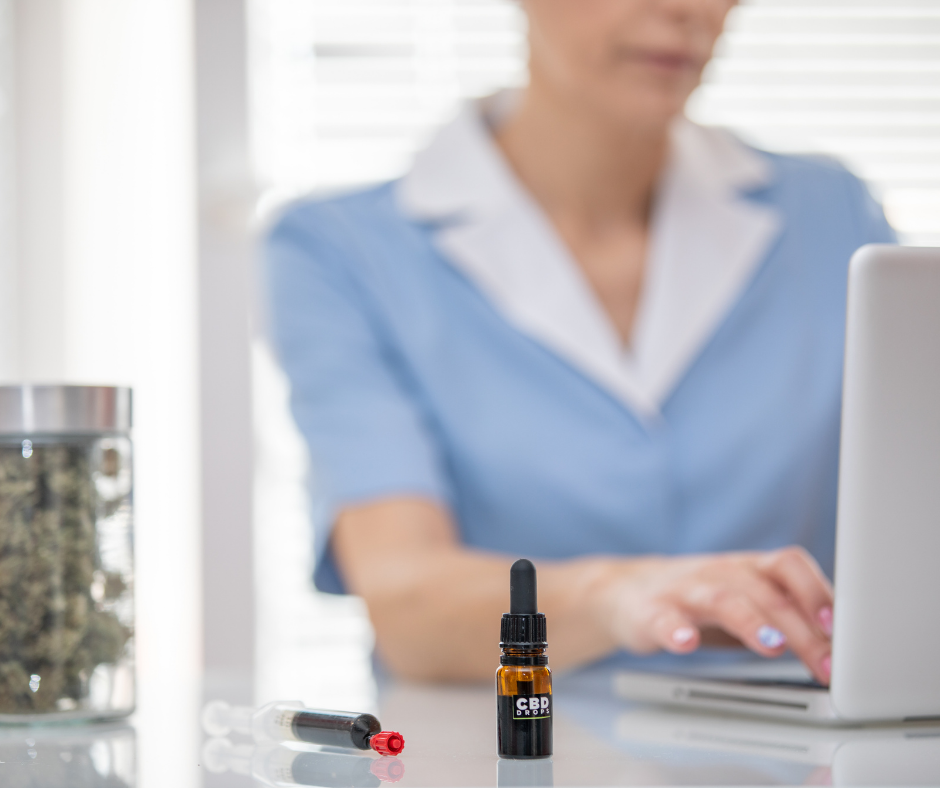



- "Will medical cannabis help me during chemotherapy?" This is a frequent question from cancer patients who are seeking additional help in medical cannabis
There are many ways in which cancer patients incorporate cannabis into their treatment regimen.
Some use this versatile herb to relieve nausea, pain or vomiting. Others use it for the psychological uplift that is so needed in such a difficult period of their lives. Still others use only fresh cannabis (More in the article "Cannabis as a healthy snack"), in home-made cannabinoid juices, or even as a highly concentrated medicinal oil, with which they try to eradicate the cancer directly.
A frequent question, however, is: does medical cannabis help during chemotherapy, or does it reduce its effect? Today we will look at what the evidence so far says.
Does medical cannabis help chemotherapy?
Right from the start, we unfortunately have to admit that nobody yet knows a clear answer to this question. Nevertheless, there are a few reasons why many professionals remain cautious about the use of medical cannabis during chemotherapy.
One of the reasons is the nature of administering cannabis by conventional smoking. Smoke from any burning material has carcinogenic properties, which are certainly of no benefit to people whose immune system has been weakened by chemotherapy. Even though, according to a 2008 study, smoked cannabis is nowhere near as carcinogenic as tobacco (More in the article "Does cannabis harm the lungs?"), it is definitely not recommended.
Those who decide to use medical cannabis during chemotherapy can choose from much healthier methods of consumption - for example vaporisation, eating edibles enriched with medicinal cannabinoids, or by means of cannabis oil.

Another issue here is correct dosing. Generally speaking, most cells of the human body develop a tolerance to cannabis after a certain time. However, it is not yet known whether the same tolerance also develops in the cancer cells themselves. The correct dosing that would prevent this mechanism in the event of tolerance is still an open question.
In 2014, one study confirmed the efficacy of THC, the primary psychoactive cannabinoid contained in medical cannabis, as a "suppressor" of tumour cell growth. Nevertheless, even this research has its shortcomings.
As Dr Peter McCormick, one of the co-authors of the study, describes it: "...the research used only the isolated substance THC, administered in properly measured concentrations. Patients should not yet attempt self-medication with cannabis, but I hope that we will be able as soon as possible to create a safe cannabis-based medicine for which the correct and, above all, effective dosage will be known."
Does chemotherapy interfere with the effects of medical cannabis?
Some pro-cannabis enthusiasts claim that the problem lies in exactly the opposite mechanism, i.e. that chemotherapy disrupts and negates the positive effects of medical cannabis. However, the truth of this view has not yet been confirmed by any conventional scientific study.
According to the now legendary cannabis activist Rick Simpson, who cured his cancer with his own preparation with a high concentration of medicinal cannabinoids, larger doses of cannabis are needed, which ultimately remedy the negative consequences of chemotherapy. Simpson writes on his website "Phoenix Tears":
"Cannabis oil has a very high success rate in treating all forms of cancer, as you can see for yourself by reading the countless testimonies of patients on the internet who have used this type of cannabis oil to cure their cancer.
Unfortunately, many of the patients seeking alternative treatment who came to me had already been irreversibly damaged by long-term chemotherapy."

The classic problem here is that Rick Simpson's statements are not supported by any official statistics, but only by anecdotal stories of people on the internet. Whether you take them seriously or not is up to you.
Patients who decide to supplement chemotherapy with cannabis or replace it entirely are still venturing into largely unexplored territory. For more information about Rick Simpson's oil, you can watch the documentary "Run from the Cure".
Relieving the side effects of chemotherapy
Some relatively effective medicines imitating the function of cannabinoids are already available on the market, such as dronabinol or nabilone, which were designed to relieve side effects of chemotherapy such as nausea and vomiting.
The world's first study here so far is Australian clinical research launched in December 2016, which examines precisely the effects of medical cannabis during chemotherapy. The results should offer us a much deeper insight into the whole issue and determine whether cannabis actually helps or harms traditional chemotherapy treatment. Nevertheless, the fact that medicines imitating the effect of medical cannabis are already actively used by many patients suggests that the results of the research will more likely be positive.
Until the clinical study is completed, however, patients unfortunately have to make do with the anecdotal stories of others.
Translation: Filip Maral
Author: Delilah Butterfield
Source: herb.co
Images: glennsabin.com abcnews.com