


 English (English)
 Deutsch (German)
 Čeština (Czech)
 Italiano (Italian)
 Hrvatski (Croatian)
 Română (Romanian)
 български език (Bulgarian)
 Magyar (Hungarian)
 Español (Spanish)
 Français (French)
 Nederlands (Dutch)
 Polski (Polish)
 Slovenčina (Slovak)

Storing Cannabis Collector Seeds and Hemp Products: A Complete Guide
As a collector of cannabis genetics, it is essential to understand that these valuable collections do not last forever. With proper storage, high-quality collector seeds and hemp products can retain their quality for one to two years. The art lies in creating optimal storage conditions that protect the genetic integrity and aromatic profiles.
Cannabis collections are sensitive to various environmental factors that can affect their quality. Temperature fluctuations, humidity, light exposure, and oxygen exposure can all lead to degradation of cannabinoids and terpenes, reducing the value of your collection.
Crucial Factors Affecting Quality
Temperature Control
Temperature plays a decisive role in preserving cannabis genetics. Dried hemp flowers and collector seeds require a stable, moderate temperature for optimal storage. Ideal storage temperature is around 20°C, and extreme temperatures should be avoided.
When cannabis material is exposed to high temperatures, the cannabinoids and terpenes begin to degrade. This results not only in a loss of aromatic properties, but can also lead to unwanted microbial growth. Research shows that prolonged exposure to temperatures above the optimal range can significantly affect the stability of cannabis oils and extracts.
Humidity Control
Just like temperature, humidity has a direct effect on the shelf life of your cannabis collection. Excessive humidity can reintroduce moisture into the plant material, increasing the risk of mold growth and unwanted flavors. Conversely, humidity that is too low can lead to dehydration, making the material brittle and fragile.
The optimal relative humidity is between 59% and 63%. This range preserves the natural texture and aromatic properties while keeping harmful microorganisms at bay. For long-term storage, humidity control packets can be used to maintain stable conditions.
Light Protection
UV radiation is one of the biggest threats to the integrity of cannabis genetics. Although ultraviolet light is invisible, it can rapidly break down organic compounds, leading to degradation of both CBD and THC components. Direct sunlight can cause noticeable quality loss within a short time.
Minimizing Oxygen Exposure
Prolonged exposure to oxygen can trigger oxidation processes that affect cannabinoids. Airtight storage is therefore crucial for preserving quality and potency. Limiting oxygen contact helps preserve the natural properties of the genetics.
Optimal Storage Methods and Containers
Glass Containers: The Gold Standard
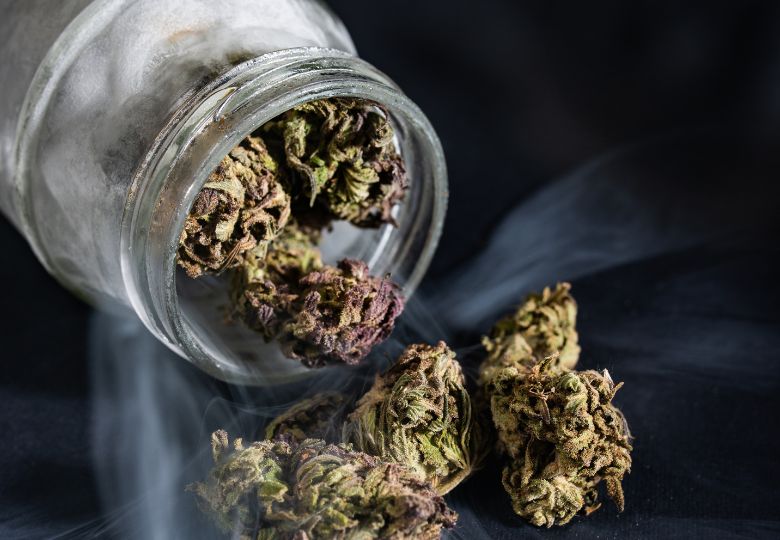
For storing cannabis collector seeds and hemp products, glass containers with screw caps are the most effective solution. Glass is chemically inert, meaning it does not release any unwanted substances that could affect the aromatic profiles. Airtight glass jars prevent oxidation and preserve the natural properties of the genetic material.
When choosing glass containers, it is important to select the right size for the amount you want to store. Dark-colored glass jars offer extra protection against UV radiation and are therefore preferred for long-term storage. Mason jars with rubber rings are also an excellent option for collectors.
The container should ideally be filled two-thirds full - this leaves enough room for the material to 'breathe' without excessive air exposure. Containers that are too large for small quantities create unnecessary amounts of air space, which can promote oxidation.
Alternatives and Their Limitations
Plastic containers are strongly discouraged for long-term storage of cannabis collections. Plastic can retain moisture and release chemical compounds that negatively affect quality. Moreover, most plastic containers do not offer adequate protection against light and air.
For short-term storage, vacuum zip bags can be used, especially for transport. These specialized bags help control moisture levels and prevent mold growth. For serious collectors, however, glass containers remain the superior choice.
Common Mistakes and How to Avoid Them
Incorrect Container Size
A common mistake is using containers that are too large for small quantities of genetic material. This creates excess air pockets that can accelerate oxidation. Choose containers suited to the amount you are storing, with minimal air space.
Unsuitable Storage Locations
Although a cool, dark place is ideal, this does not mean the refrigerator or freezer. These appliances can cause temperature and humidity fluctuations that are harmful. A kitchen cupboard, drawer, or pantry usually offers better, more stable conditions.
Avoid storing near heat sources such as radiators, ovens, or direct sunlight. A consistent room temperature in a dark space is optimal for preserving your cannabis collection.
Specific Storage by Product Type
Different hemp products require adapted storage methods. CBD oils should be stored upright in their original bottles, preferably in the refrigerator for long-term shelf life. Concentrates such as resin and wax require silicone containers or parchment paper inside airtight glass jars.
For CBD oil, storing it in a cool, dark place preserves its effectiveness the longest. The ideal temperature for oil is between 15-20°C, and extreme temperatures should be avoided to prevent crystallization or separation.
Recognizing Quality Loss
Learn to recognize the signs of degradation to protect your collection optimally. Color changes, altered aromas, or texture can indicate quality loss. Mold often appears as white, gray, or green spots and requires immediate removal of the affected material.
A musty or ammonia-like smell indicates microbial activity and means the product is no longer suitable for the collection. Regular inspection of your collection helps identify problems early and prevent further damage.
By following these guidelines, you can keep your valuable cannabis genetics collection in optimal condition for years, preserving the unique properties and aromatic profiles for future study and appreciation.