


 English (English)
 Deutsch (German)
 Čeština (Czech)
 Italiano (Italian)
 Hrvatski (Croatian)
 Română (Romanian)
 български език (Bulgarian)
 Magyar (Hungarian)
 Español (Spanish)
 Français (French)
 Nederlands (Dutch)
 Polski (Polish)
 Slovenčina (Slovak)
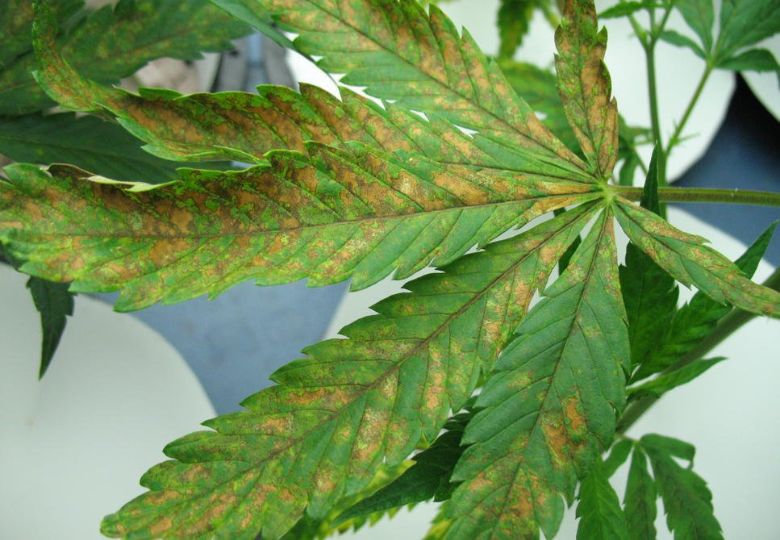



The yellowing of cannabis leaves represents one of the most common symptoms indicating imbalances in the development of these valuable genetics. This phenomenon, scientifically known as chlorosis, occurs when chlorophyll levels drop in the leaf tissue, revealing yellow and orange pigments that normally remain hidden. For cannabis seed collectors, understanding these processes is essential to appreciating the complexity of these extraordinary genetics.
Fundamentals of chlorosis in cannabis genetics
Chlorosis significantly disrupts these plants' photosynthetic capacity, altering their natural development and genetic expression. When chlorophyll breaks down, carotenoids and xanthophylls become dominant, creating that characteristic yellowish coloration that concerns experimental growers so much.
Modern cannabis genetics have developed different susceptibilities to these processes, with some varieties being more resistant than others. This genetic variability is precisely one of the most fascinating aspects for specialized collectors.
Critical environmental factors
The pH balance in the substrate is the most determining factor for nutrient absorption. When values deviate from the optimal range, even the most robust genetics can show signs of nutritional stress:
- Organic soil: pH between 6.0-7.0 for maximum bioavailability
- Hydroponics: pH between 5.5-6.5 for efficient absorption
- Coco coir: pH between 5.8-6.2 for optimal development
Constant pH monitoring makes it possible to maintain the ideal conditions for these genetics to express their full aromatic potential and unique characteristics.
Identifying specific nutritional deficiencies
Each nutrient generates distinctive yellowing patterns, allowing precise diagnoses in these sophisticated, collectible genetics.
Nitrogen (N) deficiency
Nitrogen deficiency initially manifests in the older, lower leaves, gradually progressing toward the top of the plant. This upward pattern is especially notable in vigorously growing genetics, where nutritional demands are more intense.
Diagnostic characteristics: The leaves develop a uniform yellow coloration, starting at the margins and spreading toward the central veins. In long-cycle sativa genetics, this process can be more pronounced due to their higher nitrogen requirements.
Magnesium (Mg) deficiency
Magnesium, being the central atom of the chlorophyll molecule, generates very specific patterns when it becomes scarce. Chlorophyll-rich genetics, particularly those with complex terpene profiles, tend to show more evident symptoms.
Characteristic pattern: A yellow interveinal coloration appears while the veins remain green, creating a distinctive reticulated effect. This symptom is especially common in genetics that produce high cannabinoid levels.
Iron (Fe) deficiency
Iron deficiency presents a pattern opposite to nitrogen, primarily affecting new growth and the upper leaves. Genetics with high trichome production tend to be more susceptible to these deficiencies.
Typical manifestation: Young leaves emerge with intense yellow coloration, while mature foliage retains its normal green color. In severe cases, complete whitening of new growth may be observed.
Environmental stress and genetic responses
Different cannabis genetic lines show significant variations in their tolerance to environmental stress, a crucial factor for collectors interested in resilient genetics.
Water stress and watering patterns
Water management is a delicate art when it comes to preserving the integrity of valuable genetics. Overwatering creates anaerobic conditions that prevent root absorption, while extreme drought activates survival mechanisms that can alter genetic expression.
Overwatering symptoms: The leaves take on a swollen, yellowish appearance, with a soft texture to the touch. Indica genetics, with their more compact structure, are particularly vulnerable to these problems.
Dehydration indicators: The foliage becomes brittle and develops yellow coloration with crispy edges. Sativa varieties, adapted to more arid climates, tend to show greater resistance.
Temperature fluctuations and genetic adaptation
Extreme temperatures can trigger yellowing even in well-nourished genetics. Each genetic lineage has specific optimal ranges, inherited from its geographic ancestry.
Heat stress: This manifests mainly in the more exposed upper leaves, with yellowing that progresses toward brownish tones. Mountain genetics tend to be more sensitive to elevated temperatures.
Cold stress: This generates widespread yellowing accompanied by purple tones in predisposed genetics. Some genetic lines express anthocyanins as an adaptive response.
Considerations on lighting and photoperiods
Light intensity and light cycles directly influence the health of the foliage and the expression of specific genetic characteristics.
Light saturation
Each genetic has specific light saturation thresholds, beyond which photoinhibition and consequent leaf yellowing can develop. Tropical varieties tend to tolerate higher intensities than genetics from temperate latitudes.
Light deficiency
Insufficient light causes yellowing in the lower leaves due to the redistribution of resources toward the more illuminated areas. This phenomenon is especially notable in tall genetics with abundant branching.
For cannabis seed collectors, understanding these physiological processes is invaluable for appreciating the complexity and sophistication of modern genetics. Each symptom reveals unique aspects of the genetic material, making detailed observation a fundamental tool for the evaluation and preservation of these extraordinary collectible varieties.