


 English (English)
 Deutsch (German)
 Čeština (Czech)
 Italiano (Italian)
 Hrvatski (Croatian)
 Română (Romanian)
 български език (Bulgarian)
 Magyar (Hungarian)
 Español (Spanish)
 Français (French)
 Nederlands (Dutch)
 Polski (Polish)
 Slovenčina (Slovak)
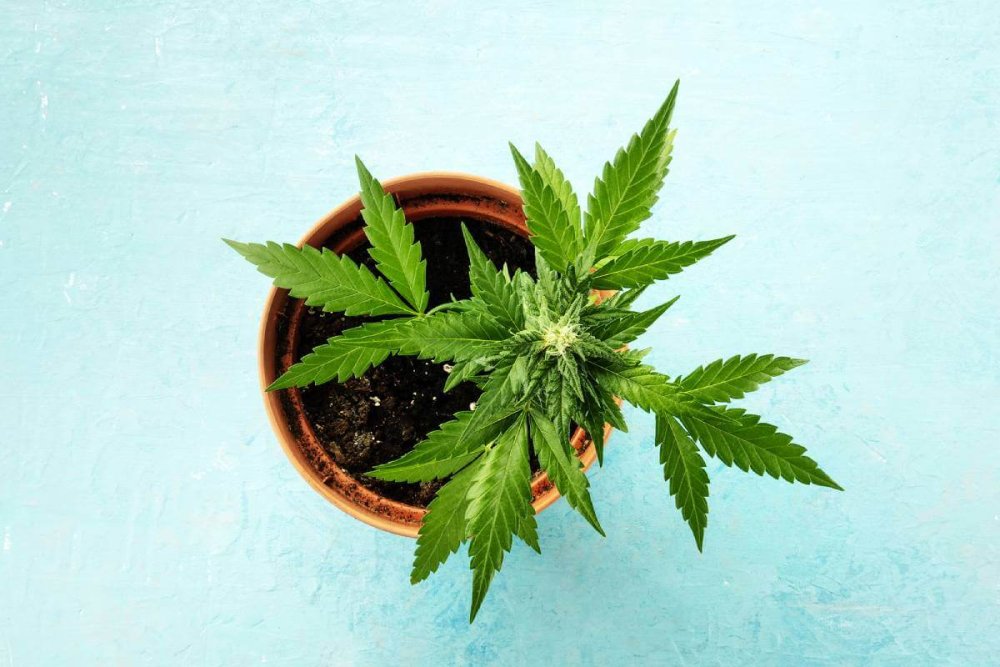



Choosing the right container is a fundamental aspect for every cannabis seed collector who wants to best preserve their genetic heritage. Not all containers offer the same preservation characteristics, and understanding the differences between various materials and sizes can make a difference in preserving the genetic viability of the seeds.
Essential Characteristics of a Container for Collector's Seeds
When it comes to preserving cannabis genetic material, every detail matters. Seeds represent a concentrate of valuable genetic information that requires specific conditions to keep their properties unchanged over time. Choosing the right container must take several crucial factors into account.
Humidity Control and Ventilation
Humidity control is one of the most critical aspects of preserving collector's seeds. An ideal container must ensure a stable, dry environment, preventing the formation of condensation that could compromise the preserved genetics. Porous materials, such as certain types of ceramic or fabric, allow for natural humidity regulation, creating an optimal microclimate for long-term preservation.
Protection from Light and Extreme Temperatures
Thermal stability is essential for preserving the integrity of the genetic heritage. Ceramic containers, for example, offer excellent thermal insulation, protecting the seeds from temperature fluctuations that could alter their genetic properties. This aspect is particularly important for collectors preserving rare varieties or autoflowering genetics with a unique aromatic profile.
Types of Containers: Materials and Characteristics
The market offers a wide range of solutions for preserving collector's seeds, each with specific characteristics suited to different collector needs.
Plastic Containers for Basic Collections
Plastic containers are an economical and practical solution for beginner collectors. These containers offer good protection from humidity and are readily available on the market. However, it's important to choose food-grade plastics that don't release chemical substances over time, thus preserving the purity of the stored genetic material.
Ceramic Solutions for Premium Preservation
Ceramic or terracotta represents a superior choice for more demanding collectors. These natural materials offer unique properties of humidity regulation and thermal stability. Terracotta, in particular, has the natural ability to absorb excess moisture during more humid periods and release it when the environment becomes too dry, creating ideal conditions for preserving the most delicate genetic varieties.
Breathable Fabric Containers
Containers made of porous fabric material represent an innovation in the field of preservation. These containers allow excellent air circulation, preventing the formation of mold and fungi that could damage collector's seeds. Their breathable structure eliminates the risk of moisture buildup, a common problem with traditional containers.
Optimal Sizes for Different Types of Collections
The choice of container size depends mainly on the type of collection you intend to preserve and the amount of genetic material to be stored.
Containers for Indica Variety Collections
Indica varieties, known for their relaxing terpene profiles and compact genetic characteristics, require containers that meet their specific preservation needs. Generally, medium-sized containers are ideal for this type of genetics, allowing optimal preservation without wasting space.
Solutions for Sativa Genetics
Sativa varieties, characterized by energizing aromatic profiles and more complex genetic structures, benefit from slightly larger containers. This allows for better air circulation around the seeds, best preserving the delicate terpene compounds that characterize these genetics.
Preserving Autoflowering Varieties
Autoflowering and feminized genetics are the result of advanced breeding techniques and require special attention when it comes to preservation. For these collector's seeds, it is recommended to use containers sized proportionally to the amount of genetic material, avoiding excess space that could create pockets of moisture buildup.
Special Considerations for Collectors
Under the applicable legal framework, cannabis seed collecting is a legal hobby thanks to the free movement of goods within the European Union. Collectors can devote themselves to preserving cannabis genetic heritage, studying the various cannabinoid and terpene profiles that characterize the different varieties.
It's important to emphasize that seed collecting focuses exclusively on the genetic and aromatic aspects of the different varieties, allowing collectors to appreciate the biodiversity of this extraordinary plant. The terpene profiles, which give each variety its characteristic aromas, represent a particularly fascinating aspect for plant genetics enthusiasts.
Practical Tips for Optimal Preservation
To achieve the best results in preserving genetic material, it's essential to follow some practical guidelines that ensure the longevity and integrity of collector's seeds.
Storage Environment
The storage environment must be cool, dry, and protected from direct light. Constant temperatures between 5 and 10 degrees Celsius are ideal for most genetic varieties. Relative humidity should be kept between 20% and 30% to prevent accidental germination and mold formation.
Periodic Checks
A periodic check of storage conditions allows any problems to be identified promptly. Regular inspection of containers helps maintain optimal conditions and preserve the integrity of the stored genetic heritage.
Choosing the right container for preserving collector's seeds is an investment in preserving cannabis genetic heritage. Whether it's classic varieties with relaxing indica profiles or sativa genetics with an energizing aroma, every variety deserves the utmost care in preservation to keep its unique characteristics unchanged over time.