


 English (English)
 Deutsch (German)
 Čeština (Czech)
 Italiano (Italian)
 Hrvatski (Croatian)
 Română (Romanian)
 български език (Bulgarian)
 Magyar (Hungarian)
 Español (Spanish)
 Français (French)
 Nederlands (Dutch)
 Polski (Polish)
 Slovenčina (Slovak)


What are cannabis terpenes and why are they so important?
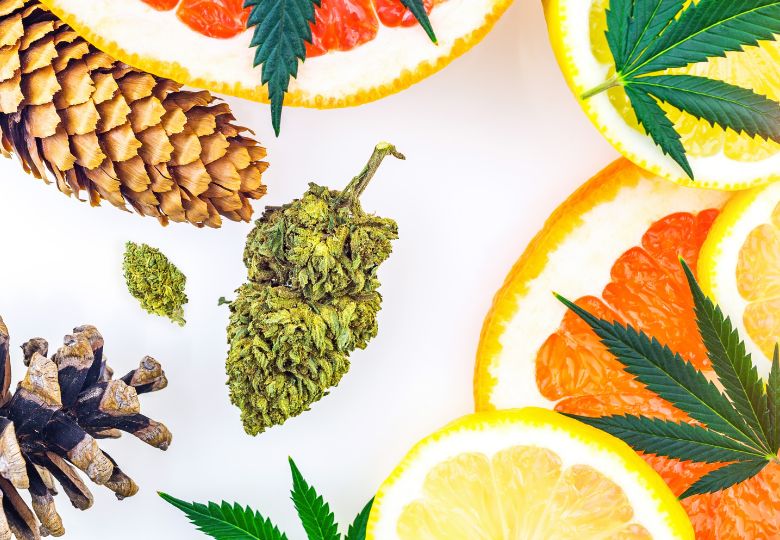
While many collectors focus exclusively on cannabinoid levels, true connoisseurs understand that there is another group of equally fascinating compounds: terpenes. These natural aromatic molecules are responsible for the complex scents, distinctive flavors, and unique sensory profiles that characterize every cannabis collectible strain.
Terpenes are synthesized together with cannabinoids in the crystalline structures known as trichomes, creating an extraordinary visual and aromatic spectacle. A rich and diverse terpene profile makes collectible seeds true genetic treasures, while strains with low terpene production appear monotonous and unattractive to discerning collectors.
Fundamental differences between terpenes and cannabinoids
It is important to understand that cannabinoids and terpenes represent two completely different families of molecules. Cannabinoids such as THC, CBD, CBG, and CBN are compounds found exclusively in cannabis, with at least 113 different cannabinoids identified by science so far.
In contrast, terpenes are universal aromatic molecules found in countless plant species. Limonene, for example, gives both oranges and lemons as well as certain collectible cannabis strains their characteristic citrus scent. Beta-caryophyllene can account for up to 25% of total terpene content in some specialized strains.
This universality makes terpenes a fascinating bridge between the world of cannabis and the plant kingdom in general, allowing collectors to discover surprising aromatic connections.
Maximum terpene concentrations in collectible genetics
Terpene content varies dramatically depending on several factors: base genetics, cultivation techniques, harvest timing, drying processes, and storage conditions. Average strains typically contain around 0.5% terpenes in fully cured dry weight.
However, elite genetics cultivated under optimized conditions can achieve extraordinary concentrations of up to 1% total terpene content. These values represent the holy grail for discerning collectors.
8 expert strategies for maximizing terpene production
1. Selection of superior genetics with an exceptional terpene profile
The foundation of any successful cultivation lies in selecting premium genetics. No cultivation technique can compensate for initial genetic mediocrity. Prefer autoflowering seeds and feminized seeds from internationally recognized seedbanks.
At Cannapio, each collectible strain includes detailed information about its specific terpene profile, allowing collectors to make informed decisions based on their aromatic preferences.
Maximum terpene concentrations in collectible genetics
Terpene content varies considerably depending on factors such as base genetics, cultivation techniques, harvest timing, drying processes, and storage conditions. Average strains typically contain around 0.5% terpenes in dry weight after full curing.
However, elite genetics cultivated under optimized conditions can achieve extraordinary concentrations of up to 1% total terpene content. These values represent the holy grail for discerning collectors.
8 expert strategies for maximizing terpene production
1. Selecting superior genetics with an exceptional terpene profile
The foundation of any successful collection lies in selecting premium genetics. No cultivation technique can compensate for genetic mediocrity. Prefer autoflower seeds and feminized seeds from internationally recognized seedbanks.
At Cannapio, each collectible variety includes detailed information about its specific terpene profile, allowing collectors to make informed decisions based on their aromatic preferences.
2. Optimizing lighting
Proper lighting is the energy engine for the biosynthesis of essential oils and terpenes. Without sufficient light energy, the plant lacks the resources to develop these complex aromatic compounds.
Use specialized meters to monitor photosynthetic photon flux density (PPFD):
- Vegetative phase: at least 18-24°C and humidity of 60-70%
- Early flowering phase: 22-26°C with moderate humidity
- Late flowering phase: lower temperatures to stimulate terpene production
3. Optimizing the lighting system
Proper lighting provides the energy for the biosynthesis of essential oils and terpenes. Without sufficient light energy, the plant lacks the resources to develop these aromatic compounds.
Use meters to monitor photosynthetic photon flux density (PPFD):
- Vegetative phase: 400-600 µmol/m²/s
- Flowering phase: 800-1100 µmol/m²/s
- Final flowering weeks: reduction to 600-800 µmol/m²/s to protect trichomes
3. Controlling ambient temperature
Terpenes are volatile compounds that evaporate under excessive heat. Maintaining optimal temperature ranges throughout the cultivation cycle is crucial for preserving these valuable molecules.
During the day, temperatures between 22-26°C are recommended, while nighttime temperatures should be between 18-21°C, without falling below 15°C.
4. Strategic harvest timing
Harvest timing directly affects the terpene profile. Harvesting too early results in reduced terpene production, while harvesting too late can lead to degradation of existing terpenes.
Observing trichome color is the most reliable method. Milky-white trichomes with some amber tones indicate the optimal harvest time for preserving maximum terpene concentration.
4. Precise humidity control
Relative humidity affects both resin production and the risk of mold formation. During the flowering phase, it is recommended to maintain humidity between 40-50%.
In the last two weeks before harvest, reducing it to 35-40% reduces the risk of botrytis and promotes the formation of resin glands as a protective mechanism of the plant.
4. Balanced nutrition with emphasis on micronutrients
Proper nutrient supply plays a crucial role in terpene production. During the flowering phase, the plant requires a balanced supply of phosphorus and potassium, with nitrogen content gradually reduced.
Supplementing with magnesium and sulfur supports the enzyme activity involved in terpene biosynthesis. Some growers also use plant stimulants based on algae to stimulate the production of secondary metabolites.
4. Gentle plant training
Gentle training methods such as Low Stress Training (LST) or Screen of Green (ScrOG) improve light penetration into the inflorescences, which can lead to more even development and higher terpene concentrations.
Avoid aggressive techniques that cause excessive stress, as this can negatively affect terpene production and compromise the quality of the final product.
5. Precise environmental control during the flowering phase
Environmental conditions during the final flowering weeks have a decisive impact on terpene production. Maintain the following parameters:
- Temperature: 18-24°C during the day, 2-3°C less at night
- Humidity: 40-50% to prevent mold formation
- Air circulation: gentle but constant
5. Stress induction techniques
Moderate and controlled stress can stimulate the production of secondary metabolites, including terpenes. Techniques such as gradually reducing watering in the late flowering phase or slight temperature fluctuations between day and night can activate beneficial defense responses.
6. Specialized nutrition during the flowering phase
During the final weeks of the flowering phase, adjusting nutrient supply is crucial. Reducing nitrogen while maintaining adequate phosphorus and potassium levels promotes terpene production. Some growers also use sulfur and micronutrient supplements to support aroma formation.
7. Optimal harvest timing
Harvest timing significantly affects the final terpene profile. Observing trichome color is the most reliable method for determining the optimal harvest time.
Earlier harvests typically yield brighter, more energetic profiles, while later harvests result in heavier, more relaxing terpene profiles with darker trichomes.
8. Drying and curing process
A gentle drying process preserves volatile compounds that are lost with aggressive methods. Maintain a temperature of 18-20°C and relative humidity of 55-60% for 7-14 days during drying. This is followed by a slow curing process in airtight containers at 58-62% humidity for at least 3-4 weeks.
7. Harvest timing and drying method
The exact harvest time significantly influences the final terpene profile. A harvest when trichomes are milky-white with a small proportion of amber heads typically yields the most balanced terpene profile.
The drying method is equally important: slow drying at 15-18°C and 55-60% humidity over 10-14 days preserves delicate terpenes from degradation. Subsequent curing in glass containers for four to eight weeks further refines the aromatic profile.
7. Selection of terpene-rich genetics
Some genetics naturally have higher terpene production. Strains with dense trichomes and strong aroma during the vegetative phase typically also exhibit higher terpene values after harvest. Selecting strains with documented terpene profiles is essential for collectors seeking specific aromas.
8. Optimal harvest timing based on trichome maturity and harvest methods
The timing of harvest significantly affects the final terpene profile. An earlier harvest with predominantly clear trichomes tends to produce brighter, more energetic profiles, while a later harvest with amber trichomes leads to more relaxing profiles. Gentle handling during harvest and drying prevents the loss of trichomes and terpenes.
The interplay of terpenes and cannabinoids: The entourage effect
Terpenes interact synergistically with cannabinoids in what research calls the entourage effect. This synergistic interaction can influence the overall sensory experience and well-being, although research in this area is still limited.
- Myrcene: Known for its earthy aroma, also found in mangoes and hops.
- Linalool: With a floral lavender aroma, also present in over 200 plant species.
- Limonene: Citrus aroma, also found in citrus fruits and certain herbs.
- Beta-caryophyllene: Spicy, peppery aroma, also found in black pepper and cloves.
Important considerations for collecting
For collectors wishing to deepen their knowledge, documenting the terpene profiles of each genetics is a valuable tool for identifying preferences and planning future collections. Understanding how environmental conditions and cultivation techniques affect terpene expression allows collectors to make informed decisions.
The study of terpenes continues to expand our understanding of the complex chemistry of cannabis. For collectors and enthusiasts interested in these characteristics, selecting genetics with specific terpene profiles offers a fascinating way to explore the diversity of the plant. It is important to note that seed germination may be subject to restrictions in many countries, including the applicable legislation in your country. Seeds are intended as collectible items and all information about cultivation is provided for theoretical purposes only.