


 English (English)
 Deutsch (German)
 Čeština (Czech)
 Italiano (Italian)
 Hrvatski (Croatian)
 Română (Romanian)
 български език (Bulgarian)
 Magyar (Hungarian)
 Español (Spanish)
 Français (French)
 Nederlands (Dutch)
 Polski (Polish)
 Slovenčina (Slovak)
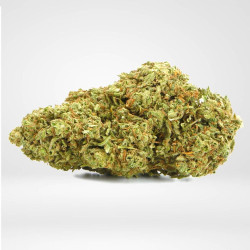


The study of cannabis genetic profiles reveals the crucial importance of nutrition in the optimal expression of botanical characteristics. Collectible seeds harbor a complex genetic heritage that requires a precise nutritional balance to fully reveal their aromatic properties and cannabinoid compositions.
Understanding nutritional deficiencies allows collectors to deepen their theoretical knowledge of the biology of these exceptional genetics. This scientific approach enriches the appreciation of terpene profiles and the unique chemical characteristics of each variety.
Biological foundations of cannabis deficiencies
Nutritional deficiencies manifest when the cannabis genetic material cannot express its optimal characteristics due to a nutritional imbalance. These deficits directly affect cannabinoid production and the synthesis of terpenes responsible for distinctive aromatic profiles.
Cannabis genetics possess a remarkable ability to communicate their nutritional status through visual signals. Variations in leaf coloration, morphological changes, and alterations in growth patterns are valuable indicators for understanding the specific needs of each genetic lineage.
The influence of pH on nutrient absorption
The pH of the medium drastically influences nutrient absorption capacity. For cannabis genetics, the optimal range lies between 5.8 and 6.8 in organic substrates, while hydroponic systems require values between 5.5 and 6.3. This precision enables the maximum expression of the aromatic profiles characteristic of each variety.
pH fluctuations can mask true deficiencies, creating situations where abundant nutrients remain inaccessible. This theoretical understanding sheds light on the complex mechanisms governing optimal genetic expression.
Classification of essential nutrients
Nutrients are divided into two main categories according to their quantitative requirements. This classification helps understand the nutritional priorities of different collectible seed genetics.
Primary macronutrients
Nitrogen (N) plays a fundamental role in protein synthesis and chlorophyll production. Nitrogen deficiencies manifest through progressive yellowing of older leaves, revealing the mobile nature of this element in cannabis physiology.
Phosphorus (P) governs cellular energy processes and directly influences cannabinoid formation. Its deficit generates characteristic purple colorations and significantly affects final chemical profiles.
Potassium (K) regulates water exchange and contributes to the plant's general resistance. Potassium deficiencies alter leaf margins and compromise the optimal expression of volatile terpenes.
Essential micronutrients
Trace elements, although required in minute quantities, exert a disproportionate influence on genetic expression. Iron participates in chlorophyll synthesis, while magnesium forms the core of the chlorophyll molecule.
Calcium strengthens cell walls and influences structural stability, a crucial factor for the integrity of cannabinoid-producing trichomes. Sulfur is involved in the formation of sulfur-containing aromatic compounds, contributing to complex olfactory nuances.
Visual diagnosis of nutritional deficiencies
Accurate identification of deficiencies relies on methodical observation of visual symptoms. This expertise allows one to fully appreciate the biological sophistication of cannabis genetics and their adaptive capacity.
Deficiencies in mobile nutrients
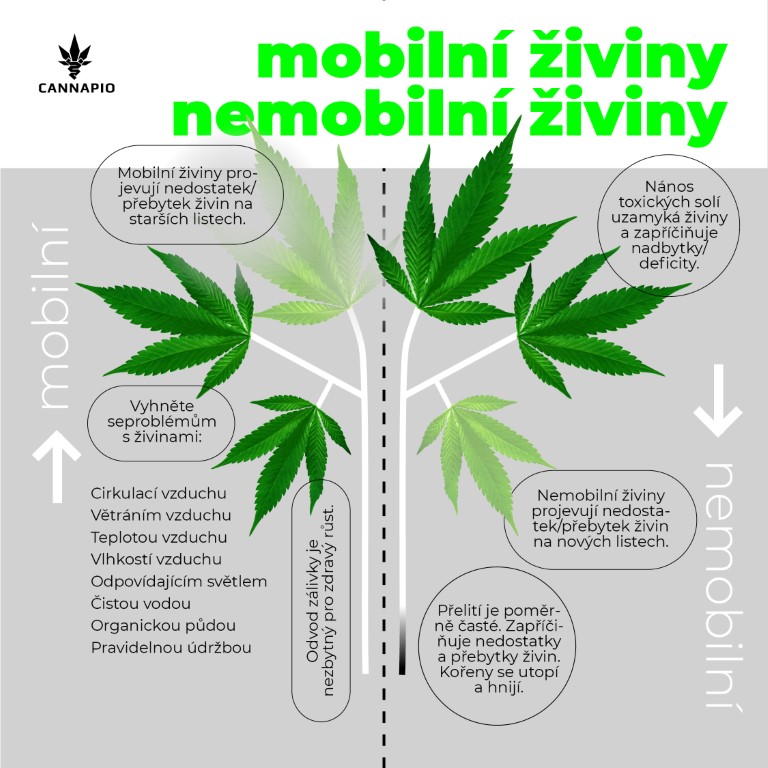
Mobile nutrients (nitrogen, phosphorus, potassium, magnesium) can be redistributed by the plant according to its needs. Deficiencies first manifest on older leaves, creating degradation patterns characteristic of each deficient element.
This mobility reflects the biological intelligence of cannabis genetics, optimizing their resources to maintain essential vital functions required for the expression of their unique chemical properties.
Deficiencies in immobile nutrients
Immobile elements (iron, calcium, boron, zinc) cannot be redistributed once fixed. Their deficiencies primarily affect young shoots and active growth zones, creating distinctive symptoms on new vegetative formations.
This immobility underscores the importance of a consistent nutrient supply to maintain optimal expression of genetic characteristics, particularly during critical developmental phases of cannabinoid-producing structures.
Prevention and nutritional optimization
Deficiency prevention is the key to optimal genetic expression. This proactive approach allows the full potential of the most prestigious collectible seeds to be revealed.
Regular monitoring of nutritional parameters, combined with a thorough understanding of the specific needs of each genetic lineage, paves the way for an enriched scientific appreciation of cannabis diversity. This theoretical approach values the exceptional genetic heritage preserved in reference collections.
The perfect nutritional balance reveals aromatic subtleties, maximizes cannabinoid production, and fully expresses the unique characteristics inscribed in the genetic code of each variety. This quest for nutritional excellence is a tribute to the biological sophistication of cannabis and its remarkable genetic diversity.