


 English (English)
 Deutsch (German)
 Čeština (Czech)
 Italiano (Italian)
 Hrvatski (Croatian)
 Română (Romanian)
 български език (Bulgarian)
 Magyar (Hungarian)
 Español (Spanish)
 Français (French)
 Nederlands (Dutch)
 Polski (Polish)
 Slovenčina (Slovak)
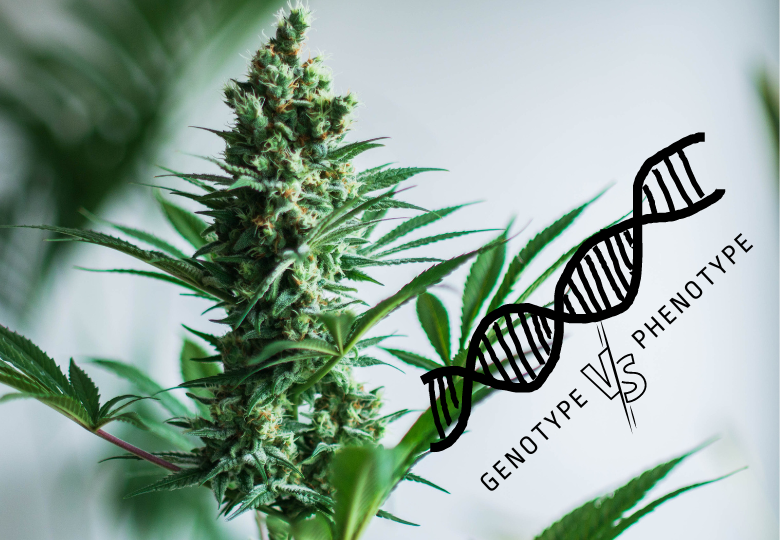



The fascinating genetic diversity of cannabis
As a cannabis seed collector, you're no doubt fascinated by the enormous variation between different genetic lines. Even seeds from the same cultivar can display surprisingly different traits when grown. This variation is explained by three fundamental concepts: genotype, phenotype, and chemotype. Understanding these genetic principles is essential for any serious seed collector who wants to grasp the complexity of cannabis genetics.
The genetic makeup of cannabis is extraordinarily complex, and many enthusiasts often use these terms interchangeably. In this article, we clarify the meaning of each concept and show how they relate to one another in determining the final characteristics of a cannabis plant.
Genotype: The genetic blueprint of cannabis
The genotype of a cannabis plant is the complete genetic code containing all its hereditary information. This genetic blueprint determines the potential for growth patterns, aromatic profiles, cannabinoid production, and structural traits of the plant. The genotype is like an instruction manual present in every cell of the plant.
For seed collectors, understanding genotypes is crucial because it defines the theoretical possibilities of a genetic line. A specific genotype might, for example, have the potential for high CBD production, certain terpene profiles, or specific growth characteristics, but whether these traits actually manifest depends on other factors.
The genotype is passed on from parent plants to their offspring through genetic inheritance. This allows breeders to stabilize desired traits and pass them on to future generations of collector seeds.
Phenotype: The visible expression of genetics
The phenotype represents the observable characteristics that arise from the interaction between the genotype and environmental factors. These are the traits you can actually perceive: the shape of the leaves, the color of the flowers, the intensity of the aroma, and the overall plant structure.
The relationship between genotype and phenotype can be summarized in the formula: GENOTYPE + ENVIRONMENT = PHENOTYPE. This means that even plants with identical genetic makeup can display different phenotypic expressions depending on the growing conditions.
Phenotypic variation includes, among other things:
- Plant architecture and growth patterns
- Leaf morphology and color variations
- Aromatic intensity and complexity
- Flowering period and ripening characteristics
- Terpene production and composition
- Cannabinoid concentrations
For collectors, it's interesting to understand that phenotypic traits are not directly hereditary. Only the genetic predisposition for certain characteristics is passed on to the next generation.
Environmental factors that influence phenotypes
The environment plays a crucial role in determining how genetic material is expressed. Various environmental variables can cause drastic changes in the phenotypic expression of cannabis genetics:
- Temperature fluctuations can influence anthocyanin production, resulting in purple coloring
- Light intensity and spectrum determine structural development and secondary metabolite production
- Nutrients and pH values of the growing medium affect nutrient uptake
- Humidity can influence terpene production and leaf development
- Photoperiodicity regulates the transition to the flowering period in photoperiodic strains
These environmental influences explain why the same genetic line can produce different results for different growers, even when they use seeds from the same batch.
Phenotype hunting: In search of exceptional genetics
Phenotype hunting is a systematic method used by experienced collectors to identify the most desirable expressions of specific genetic lines. This process involves growing multiple specimens of the same cultivar and evaluating their different phenotypic expressions.
In this process, growers look for specimens that display exceptional traits, such as:
- Remarkable aromatic complexity
- Unique morphological features
- Superior cannabinoid profiles
- Interesting color variations
- Optimal growth characteristics
It's important to realize that phenotype hunting doesn't create new traits, but rather selects the best expressions of what is genetically already possible within the boundaries of the specific genotype.
Chemotypes: The chemical signature of cannabis
The concept of chemotype focuses specifically on the chemical composition of cannabis genetics, particularly the ratios of different cannabinoids. This classification arose from the need to categorize cannabis based on its active compounds rather than solely on outward characteristics.
The traditional chemotype classification distinguishes:
- Type I chemotypes: High THC, low CBD (>0.3% THC)
- Type II chemotypes: Balanced THC:CBD ratios (roughly 1:1)
- Type III chemotypes: High CBD, low THC (<0.3% THC)
For collectors of CBD-rich genetics, understanding chemotypes is essential for identifying material that meets legal requirements and desired characteristics.
Terpenes: The aromatic components
Besides cannabinoids, terpenes play a crucial role in defining chemotypes. These aromatic compounds not only contribute to the scent and flavor profiles but also influence the overall characteristics of the plant through the so-called "entourage effect".
Important terpenes in cannabis include:
- Myrcene: Known for its relaxing properties
- Limonene: Associated with citrusy aromas
- Pinene: Responsible for a pine scent
- Linalool: Contributes to floral aromas
- Caryophyllene: Provides spicy, peppery aromas
Practical applications for seed collectors
Understanding these genetic principles has direct practical benefits for cannabis seed collectors. By being able to distinguish between genotypes, phenotypes, and chemotypes, collectors can:
- Make better-informed choices when selecting genetic material
- Have realistic expectations about the variability within a cultivar
- Better assess the value of different genetic lines
- Understand why some seeds from the same batch can display different traits
This knowledge also helps in appreciating the work of professional breeders who spend years stabilizing desired traits in their genetic lines. It also explains why premium collector seeds often carry a higher value - they represent years of careful selection and stabilization.
Whether you're interested in genetics with a low THC content or are looking for other specific traits, understanding these fundamental concepts will help you make well-informed decisions as a collector of cannabis genetics.