


 English (English)
 Deutsch (German)
 Čeština (Czech)
 Italiano (Italian)
 Hrvatski (Croatian)
 Română (Romanian)
 български език (Bulgarian)
 Magyar (Hungarian)
 Español (Spanish)
 Français (French)
 Nederlands (Dutch)
 Polski (Polish)
 Slovenčina (Slovak)
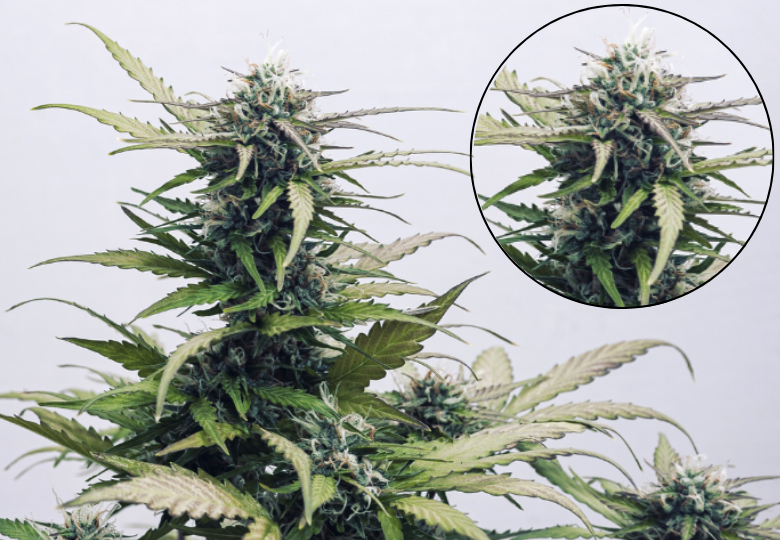



Cannabis is an extraordinarily complex plant, where each structure fulfills a specific function in the development of the genetics. For seed collectors and cannabis botany enthusiasts, understanding the detailed anatomy of the flowers represents the foundation for appreciating the quality and characteristics of different genetic varieties.
Cannabis flowers, technically known as inflorescences, constitute the most fascinating part from a chemical composition standpoint. It is within these structures that the cannabinoids, terpenes, and other aromatic compounds that define the unique profile of each genetic strain are concentrated.
Fundamental structure of the inflorescence
The cannabis inflorescence presents a sophisticated botanical architecture, resulting from millions of years of evolution. Each component has a specific function in the reproductive process and in the production of secondary metabolites that characterize this species.
The structural organization of these flowers is not random, but rather responds to specific genetic patterns that vary among different lineages. Genetic varieties have developed unique characteristics over generations, creating distinctive aromatic profiles and chemical compositions.
Bracts: The protective guardians
Bracts are modified foliar structures that surround and protect the female reproductive organs. These specialized leaves have a teardrop shape and are densely covered with microscopic resin glands.
From a genetic collection standpoint, bracts are fundamental because they harbor the highest concentration of trichomes on the entire plant. Their development and density vary considerably among different genetic lineages, being a key indicator of the potential quality of a particular strain.
Calyxes: Internal architecture
Calyxes form the protective internal structure, located within the bracts. Although they are not visible to the naked eye, they provide structural support and additional protection to the reproductive organs. They are composed of modified sepals that create a protective chamber around the reproductive elements.
For collectors, well-developed, resinous calyxes indicate high-quality genetics with the potential to produce complex aromatic profiles and elevated concentrations of active metabolites.
Reproductive system: Pistils and stigmas
The pistil represents the complete reproductive organ of female plants. The stigmas, often called "hairs," are the filamentous structures that emerge from the pistil and capture pollen during pollination.
Initially, stigmas have a white or translucent coloration, but during maturation they develop hues ranging from orange to reddish-brown. This chromatic transformation varies according to the specific genetics and constitutes a visual indicator of the inflorescence's maturity stage.
Specialized flower elements
Colas: Inflorescence clusters
Colas represent dense clusters of multiple inflorescences that grow in close proximity. Each plant can develop numerous colas, with the apical or main cola forming at the apex of the main stem.
The main cola generally displays greater density and development due to its privileged position for receiving light. Secondary colas are distributed along the lateral branches, creating the characteristic architecture of each genetic variety.
Sugar leaves: Auxiliary structures
Sugar leaves are small modified leaves that emerge from between the inflorescences, covered by a visible layer of resin glands that gives them a whitish appearance, similar to crystallized sugar.
Although these structures contain lower concentrations of active compounds compared to bracts, they contribute significantly to the overall aromatic profile and represent valuable material for the extraction of terpenes and other secondary metabolites.
Trichomes: Microscopic molecular factories
Trichomes are the microscopic resin glands responsible for the biosynthesis and storage of cannabinoids, terpenes, and other secondary metabolites. These mushroom-shaped structures are distributed mainly over bracts and sugar leaves.
There are different types of trichomes, with capitate-sessile and capitate-stalked trichomes being the most relevant for the production of aromatic and pharmacologically active compounds. Their density, size, and maturity stage vary considerably among different genetics.
Trichomes also serve natural defensive functions, protecting the plant against herbivores, excessive UV radiation, and other stressful environmental factors.
Differentiation between Indica and Sativa genetics
The morphological characteristics of the inflorescences allow for distinguishing between different genetic types, especially among the lineages traditionally classified as indica and sativa.
Characteristics of Indica-type genetics
Indica-type genetics generally develop compact, dense, and heavy inflorescences. This compact floral architecture results from adaptation to mountainous climates with shorter growing seasons.
Indica colas typically have a higher density of bracts per unit volume, creating solid, resinous structures. This morphological characteristic also makes them less susceptible to problems related to environmental humidity.
Characteristics of Sativa-type genetics
Conversely, sativa-type genetics develop airier and more flexible inflorescences. This architecture reflects their adaptation to equatorial climates with long growing seasons.
Sativa colas tend to be more elongated and less dense, with bracts distributed more widely spaced apart. This structure allows for better air circulation, a crucial adaptation for thriving in high-humidity tropical environments.
Variations in chemical profiles
Beyond morphological differences, the different genetic types also display variations in their terpene and cannabinoid profiles. Indica genetics are traditionally associated with earthy and sweet aromatic profiles, while sativas tend to have more citrusy and spicy aromas.
These chemical differences result from the specific genetic expression of each lineage and the evolutionary adaptations to different environmental and geographical conditions. For collectors, understanding these variations is essential for appreciating the genetic diversity available in modern seed collections.