


 English (English)
 Deutsch (German)
 Čeština (Czech)
 Italiano (Italian)
 Hrvatski (Croatian)
 Română (Romanian)
 български език (Bulgarian)
 Magyar (Hungarian)
 Español (Spanish)
 Français (French)
 Nederlands (Dutch)
 Polski (Polish)
 Slovenčina (Slovak)


Introduction to Terpenes in Collector's Cannabis
In the world of collector's cannabis, beyond the well-known cannabinoids CBD and THC, there is a category of compounds that is just as fascinating: terpenes. These aromatic molecules represent the olfactory heart of cannabis varieties, giving each genetic line its distinctive aromatic profile. The cannabis plant hosts over 150 different types of terpenes, each with unique characteristics that define the biochemical identity of the variety.
For seed collectors and genetics enthusiasts, understanding terpenes means appreciating the complexity and richness of the genetic heritage preserved in every collector's seed. These compounds are not merely responsible for aroma: they represent true genetic markers that allow the different varieties to be identified and catalogued.
What Terpenes Are and How They Form
Terpenes are volatile organic compounds naturally produced in the trichomes of female cannabis plants. These microscopic structures act as tiny biochemical factories where not only cannabinoids are synthesized, but also the entire range of terpenes that characterizes each genetic variety.
Chemically speaking, terpenes belong to a vast family of hydrocarbons found abundantly in nature. In cannabis, these compounds serve protective functions for the plant, repelling pests and attracting pollinators. For collectors, they instead represent a natural classification system that makes it possible to distinguish and appreciate the genetic subtleties of each variety.
The concentration and specific combination of terpenes in a variety depends on numerous genetic and environmental factors, making every strain unique in its aromatic profile. This biochemical diversity is what makes seed collecting so fascinating for connoisseurs.
Therapeutic Profiles and Biochemical Properties
Preliminary studies have shown that terpenes possess interesting biochemical properties that make them a subject of scientific research. Unlike psychoactive cannabinoids, terpenes are considered non-intoxicating compounds, while still retaining properties that influence biological systems.
Research has identified several biochemical characteristics of terpenes:
- Antiviral and antimicrobial properties
- Anti-inflammatory action
- Antioxidant capacity
- Relaxing or energizing effects on the nervous system
- Antidepressant properties
- Immune system support action
It is important to point out that research on terpenes is still in its early stages, and many of the properties attributed to these compounds require further clinical studies to be scientifically validated.
The Seven Fundamental Terpenes of Collector's Varieties
Myrcene - The King of Relaxing Terpenes
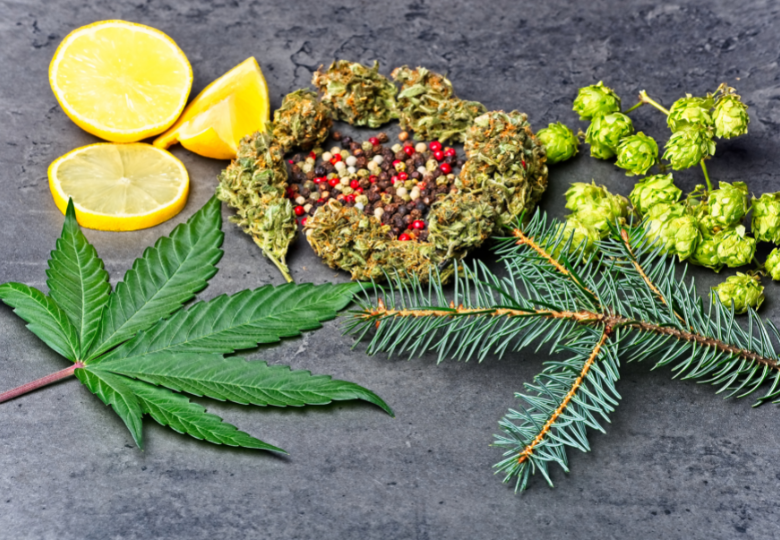
Myrcene is one of the most abundant terpenes in collector's cannabis varieties. This compound, also found in mango, thyme and lemongrass, is characterized by an earthy, musky aroma. Varieties rich in myrcene are known for their relaxing genetic profile, which makes them particularly appreciated by collectors interested in indica or indica-dominant genetics.
From a biochemical point of view, myrcene has natural sedative properties and acts as a powerful antioxidant. Varieties with high concentrations of this terpene are often associated with complex, deep aromatic profiles.
Limonene - The Citrus Essence
Limonene is immediately recognizable for its fresh, citrus aroma, reminiscent of lemon and orange peel. This terpene is particularly abundant in sativa varieties and sativa-dominant hybrids, giving them that characteristic lively and stimulating olfactory profile.
Research published in the Journal of Food Biochemistry has highlighted limonene's anti-inflammatory, antioxidant and cardiovascular-protective properties, making it a terpene of particular scientific interest.
Pinene - The Aroma of Nature
Pinene is one of the most widespread terpenes in nature, found in pine needles, resin and citrus fruits. In collector's cannabis varieties, this terpene lends fresh, balsamic notes reminiscent of conifer forests. Genetics rich in pinene are often characterized by energizing and stimulating profiles.
This terpene has antibacterial, anti-inflammatory and bronchodilating properties, and is also associated with memory and attention-enhancing effects in varieties that contain it in significant concentrations.
Linalool - Floral Delicacy
Linalool is the terpene that gives lavender its characteristic aroma, but it is also found in rosewood, bergamot, coriander and jasmine. In collector's cannabis varieties, this terpene contributes delicate, refined floral notes that make the aromatic profile particularly elegant.
Varieties rich in linalool are traditionally associated with relaxing and calming properties, making them ideal for collectors who appreciate genetics with a more contemplative and serene character.
Caryophyllene - The Spicy Terpene
Caryophyllene, also known as beta-caryophyllene, is a terpene with spicy notes commonly found in cloves, rosemary, oregano and black pepper. This terpene is unique in that it can interact directly with cannabinoid receptors, making it particularly interesting from a biochemical standpoint.
Research has highlighted caryophyllene's anti-inflammatory and analgesic properties, as well as its ability to support the digestive system and provide neurological protection.
Humulene - The Character of Hops
Humulene takes its name from the plant Humulus lupulus, better known as hops. This terpene is also found in sage, cloves, basil and ginseng, giving varieties that contain it a woody, earthy aroma with spicy notes.
Humulene is valued for its antibacterial and anti-inflammatory properties, as well as for its ability to contribute to the complex, layered aromatic profiles of the most refined collector's varieties.
Terpinolene - Aromatic Complexity
Terpinolene is a terpene with particularly complex organoleptic characteristics, combining floral, herbaceous and slightly fruity notes. It occurs naturally in nutmeg, tea tree, apples and some pine varieties, giving the genetics that contain it a distinctive and sophisticated aromatic profile.
This terpene is less common than the others, which makes varieties rich in it particularly sought after by the most demanding collectors. Its antioxidant and antimicrobial properties also make it interesting from the point of view of genetic preservation.
The Importance of Terpenes in Seed Collecting
For cannabis seed collectors, understanding terpene profiles represents a fundamental aspect of genetic evaluation. Every variety holds within its genetic heritage the information needed to produce a specific combination of terpenes, making each seed a small treasure chest of aromatic biodiversity.
The preservation of terpene diversity through seed collecting represents an important contribution to conserving cannabis genetic heritage. Terpenes not only define the olfactory identity of each variety, but also provide valuable information about its geographic origin, its genetic stability and its distinctive characteristics.
In conclusion, terpenes represent much more than simple aromatic molecules: they are the guardians of each variety's genetic identity, making seed collecting an activity that is as scientific as it is fascinating for all connoisseurs in the field.