


 English (English)
 Deutsch (German)
 Čeština (Czech)
 Italiano (Italian)
 Hrvatski (Croatian)
 Română (Romanian)
 български език (Bulgarian)
 Magyar (Hungarian)
 Español (Spanish)
 Français (French)
 Nederlands (Dutch)
 Polski (Polish)
 Slovenčina (Slovak)
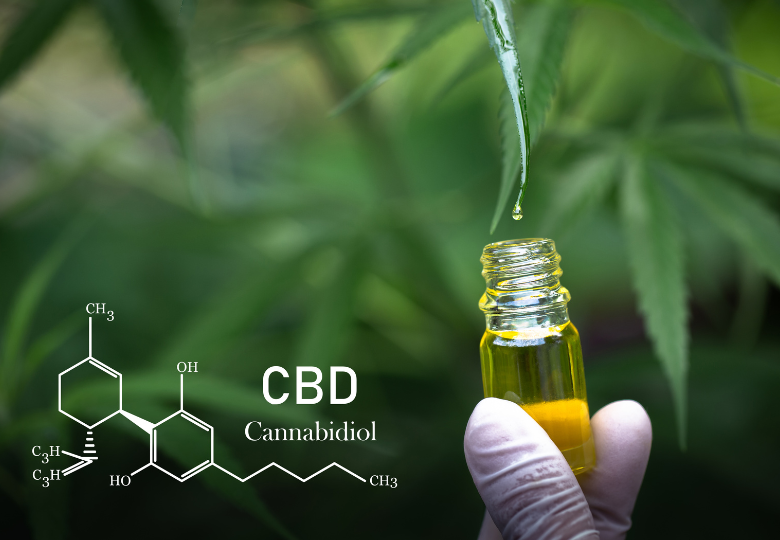



CBD Oil: Understanding the Scientifically Validated Properties
CBD oil represents one of the most thoroughly researched extracts of cannabis, obtained through specialized extraction processes from industrial hemp plants. This concentrate is then diluted with carrier oils such as coconut oil or hemp seed oil to optimize its bioavailability. A fundamental characteristic of CBD oil is its minimal content of tetrahydrocannabinol (THC), the compound responsible for the psychoactive effects of cannabis.
The chemical composition of CBD enables a specific interaction with the human endocannabinoid system, activating neurological receptors that regulate functions such as mood and body temperature. This unique interaction has attracted the attention of the international scientific community and has produced numerous studies on its potential therapeutic properties.
Chemical Composition and Mechanism of Action
Cannabidiol belongs to the family of cannabinoids, chemical compounds that occur naturally in cannabis strains. Unlike other cannabinoids such as THC, CBD produces no psychotropic effects, making it a particularly interesting subject of study for medical applications.
The mechanism of action of CBD involves its interaction with the endocannabinoid system, a complex network of receptors distributed throughout the organism. This network regulates numerous physiological functions, including pain perception, immune response, and neurological processes. CBD acts as a modulator of these receptors and influences various biological processes without causing cognitive alterations.
Seven Medical Applications with Scientific Evidence
Anxiety Disorders and Depressive States
The most promising research on CBD focuses on its anxiolytic and antidepressant properties. Preclinical studies in animal models have shown that CBD can produce effects similar to conventional antidepressants by modulating the activity of neurotransmitters such as serotonin.
A particularly relevant clinical study examined 57 male participants before a public presentation. The subjects received different CBD doses (150, 300, or 600 milligrams) or a placebo. The results showed that the 300 milligram dose produced a significant reduction in anxiety levels, while lower and higher doses did not achieve the same effect. These findings suggest a specific dose-response relationship that requires further research.
Epilepsy and Seizure Disorders
In the field of neurology, significant progress has been made in the use of CBD for refractory epileptic disorders. In 2018, the Food and Drug Administration approved Epidiolex, the first CBD-based medication for the treatment of Dravet syndrome and Lennox-Gastaut syndrome, two severe forms of pediatric epilepsy.
The clinical trials supporting this approval involved 516 patients with these epileptic syndromes. When Epidiolex was administered as an adjunctive therapy, a statistically significant reduction in seizure frequency was observed compared to the placebo group, representing an important precedent in cannabinoid-based medicine.
Treatment of Addictive Disorders
Emerging research suggests that CBD may have applications in the treatment of substance use disorders. A study published in the American Journal of Psychiatry examined the effects of CBD in individuals with opioid dependence. The results showed significant reductions in craving (compulsive desire), withdrawal-related anxiety, and physiological stress markers such as heart rate and salivary cortisol levels.
These preliminary findings open new perspectives for the development of adjunctive therapies in the treatment of addictive disorders, although further studies are required to establish dosage protocols and long-term safety.
Treatment of Chronic Pain
The analgesic potential of CBD has been the subject of numerous investigations, although most clinical studies have evaluated combinations of CBD and THC, rather than CBD as monotherapy. Sativex, a medication approved in several countries, combines both cannabinoids for the treatment of neuropathic pain associated with multiple sclerosis.
A clinical study of 47 patients with multiple sclerosis who used Sativex for one month showed significant improvements in pain, walking ability, and reduction of muscle spasms. These results suggest that the anti-inflammatory properties of CBD could contribute to its analgesic effects, although further specific studies with isolated CBD are needed.
Neurodegenerative Diseases
The ability of CBD to interact with the endocannabinoid system and other neuronal signaling pathways makes it a promising candidate for neuroprotective therapies. Preclinical studies have shown beneficial effects in models of various neurodegenerative diseases, including:
- Amyotrophic Lateral Sclerosis (ALS)
- Alzheimer's disease
- Parkinson's disease
- Multiple sclerosis
The antioxidant and anti-inflammatory properties of CBD could contribute to neuronal protection, although translating these preclinical results into clinical applications requires comprehensive further research.
Considerations on Dosage and Administration
Current research shows that the effects of CBD can vary significantly depending on the dose administered, as observed in the anxiety studies where different concentrations achieved different results. This variability underscores the importance of developing individualized dosage protocols based on factors such as body weight, the specific condition being treated, and individual patient response.
Administration methods also influence the efficacy of CBD. Sublingual administration allows for faster absorption, while oral preparations offer longer-lasting effects but with a slower onset of action. Bioavailability can vary considerably between different formulations, which represents an active area of pharmacological research.
Future Perspectives in CBD Research
The growing body of scientific evidence on CBD is driving the development of new therapeutic approaches. Researchers are investigating synergistic combinations with other cannabinoids and the development of more efficient delivery systems. Understanding the "entourage effect," in which multiple cannabis compounds work together, could lead to more effective therapies than formulations with isolated CBD.
Future research focuses on establishing long-term safety profiles, identifying biomarkers to predict treatment success, and developing specific formulations for different medical conditions. These advances promise to significantly expand the therapeutic applications of CBD in modern medicine, always maintaining the highest standards of scientific rigor and patient safety.