


 English (English)
 Deutsch (German)
 Čeština (Czech)
 Italiano (Italian)
 Hrvatski (Croatian)
 Română (Romanian)
 български език (Bulgarian)
 Magyar (Hungarian)
 Español (Spanish)
 Français (French)
 Nederlands (Dutch)
 Polski (Polish)
 Slovenčina (Slovak)



Collectors of cannabis seeds know that numerous factors influence the genetic characteristics of these varieties: air quality, water, sunlight and especially the parameters of the substrate in which these unique genetics develop. Among all these factors, pH is a fundamental aspect that determines how the aroma profiles and characteristics of each variety express themselves. This analysis highlights the importance of pH in better understanding the properties of collector seeds and their genetic potential.
pH Basics: Scientific Foundations for Collectors
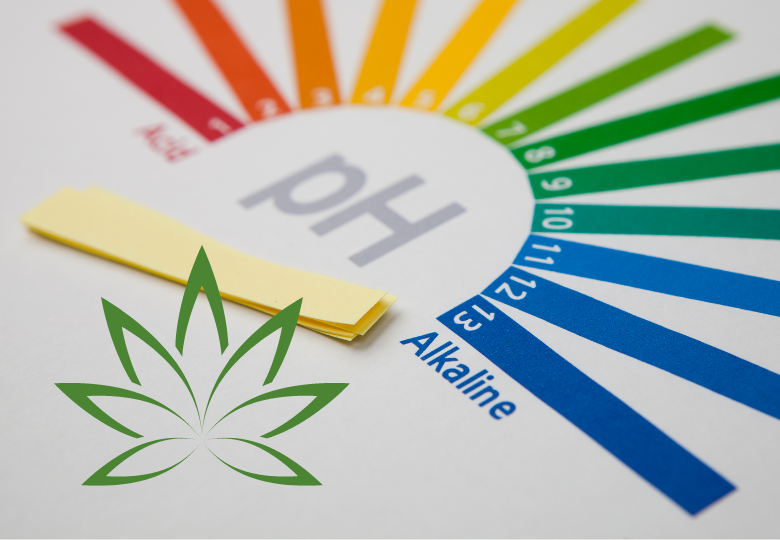
pH is a scientific measure indicating the acidity or alkalinity of solutions and substrates. The scale runs from 0 to 14, with pH 7 representing neutrality. Values below 7 indicate acidity (similar to vinegar or lemon juice), while higher values indicate alkalinity (like soaps or cleaning agents).
Cannabis genetics reach their full potential in slightly acidic environments with a pH between 6.0 and 7.0. For hydroponic systems, the optimal range is between 5.5 and 6.5, which allows the terpene and cannabinoid profiles characteristic of each variety to fully develop.
Importance of pH for the Development of Cannabis Genetics
The pH of the substrate is crucial for the optimal development of genetic traits, as it directly regulates the availability of essential nutrients. Experienced collectors know that the potential of each variety depends on fundamental macronutrients: nitrogen, phosphorus and potassium. If the pH deviates from the ideal range, the uptake of certain nutrients is impaired, which can manifest as deficiencies or excesses that alter the growing substrate and create toxic conditions that prevent the genetic profile from fully expressing itself.
Optimal Parameters Depending on the Growing Method
Growing in Organic Substrate
When growing in soil, cannabis genetics express their characteristics best at a pH between 6.0 and 7.0, although there is no single perfect value within this range. In fact, it is beneficial to allow moderate natural fluctuations, which favor optimal nutrient uptake and full terpene development.
In purely organic growing without synthetic fertilizers, pH is less critical. The use of organic amendments such as compost creates an ecosystem of beneficial microorganisms that naturally maintains optimal conditions, reducing the need for constant pH monitoring compared to other systems.
Specialized Hydroponic Systems
Hydroponic systems require different parameters. When growing without a conventional substrate, for example in coco coir, the optimal pH should be kept somewhat lower than in soil, namely between 5.5 and 6.5. This recommendation applies to all hydroponic techniques. As with growing in soil, moderate fluctuations are acceptable but should always stay within the safe range to preserve genetic integrity.
Methods for Measuring and Analyzing pH
Accurately determining pH involves analyzing water or nutrient solutions and making the necessary adjustments. The most efficient method uses digital pH meters, which provide instant, precise readings when inserted into the substrate. Alternatively, pH test strips offer a practical option: mix a substrate sample in equal proportion with neutral water, filter the mixture and analyze the pH of the resulting liquid using the indicator strips.
Techniques for Adjusting and Correcting pH
If the pH deviates significantly from the target range, apply the following correction strategies:
Lowering pH (pH Down)
Lowering the pH is needed more often than raising it. Gradually add small amounts of a pH-lowering solution to the water or nutrient solution, mix thoroughly and measure again. Repeat this process until the desired value is reached, always in small increments to avoid abrupt changes.
Raising pH (pH Up)
In situations where the pH needs to be raised, use pH-up solutions, which work opposite to pH-down products. Apply the same principle of gradual additions and continuous measurement until the pH stabilizes within the optimal range.
Natural Alternatives for pH Adjustment
In addition to commercial products, various organic materials can also change the pH of the substrate. Effective natural options include:
- Composted manure
- Mature compost
- Natural citric acid
- Organic vinegar
- Agricultural lime
- Conifer needles
- Aged sawdust
- Ground eggshells
- Coffee grounds
The main difference between organic and chemical amendments is that chemical products tend to destroy microbial life in the soil, requiring subsequent restoration of the ecosystem. Organic alternatives preserve the biodiversity of the substrate, even though they need to be applied more generously to achieve noticeable changes in pH.
Recognizing Imbalances: Elevated pH
The symptoms of high pH in cannabis genetics vary widely and appear as various signs of nutrient deficiency. The characteristic green often turns to yellowish tones in the foliage. Vigorous growth stops and overall condition deteriorates until the correct pH parameters are restored and the genetics can fully develop their aroma profiles and unique characteristics.
Recognizing Low pH: Signs of Toxicity
A pH that is too low causes certain micronutrients to be absorbed in higher amounts than needed, resulting in various toxic effects. When the optimal limits are exceeded, symptoms of mineral deficiencies gradually appear. It is therefore essential to regularly monitor pH and immediately correct any deviation in order to preserve the genetic integrity of collector varieties.
Optimizing pH for Collector Varieties
Monitoring and regulating pH is one of the decisive factors in understanding the full potential of cannabis genetics. Serious collectors know that each variety has unique characteristics that develop optimally under specific pH conditions. When these parameters are kept within suitable ranges, the terpene profiles, cannabinoid structure and aromatic properties that distinguish every exceptional genetic in a specialized collection can be fully appreciated.