


 English (English)
 Deutsch (German)
 Čeština (Czech)
 Italiano (Italian)
 Hrvatski (Croatian)
 Română (Romanian)
 български език (Bulgarian)
 Magyar (Hungarian)
 Español (Spanish)
 Français (French)
 Nederlands (Dutch)
 Polski (Polish)
 Slovenčina (Slovak)
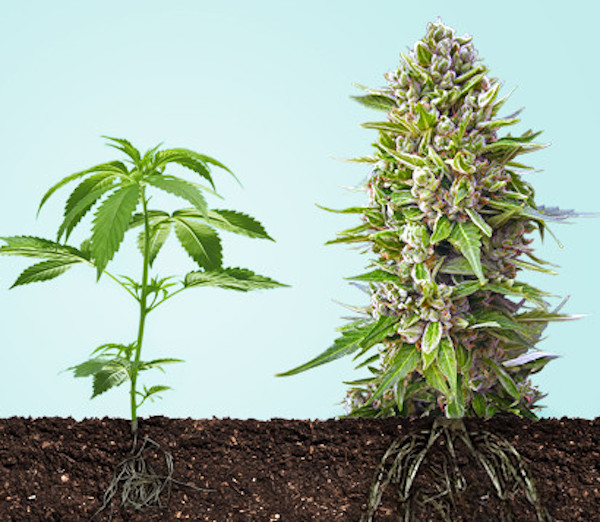



The ripening of cannabis varies depending on the variety, but it is during this phase that the key buds develop and gain weight. Want to know how the entire process takes place and how to recognize the right time for harvest? Find the answers in our article.
Cannabis maturation represents the defining moment in the development of these extraordinary collectible genetics. During this crucial phase, the buds reach their maximum aromatic potential and the trichomes develop their characteristic terpene and cannabinoid profile. Understanding this process is essential for any serious collector of cannabis seeds.
Distinctive Features of Maturation in Cannabis Genetics
The full maturation process begins once the vegetative stage is complete, as the plants transition into flowering. The feminized seeds in our collection typically require between 9 and 10 weeks to reach optimal maturity. However, certain fast-flowering varieties can complete their cycle in as little as 7 weeks, while other, more complex genetics may need up to 13 weeks or more.
This variation in timing depends mainly on the specific genetic heritage of each strain, as well as the environmental conditions during development. Sativa genetics tend to require longer periods compared with indicas, which generally mature more quickly.
Visual and Aromatic Indicators of Maturity
Recognizing the optimal point of maturity requires observing several specific signs that appear progressively:
- Prominent white pistils - They first emerge from the calyxes and multiply during early flowering
- Robust floral development - The buds noticeably increase in density and weight, causing the branches to droop naturally
- Intensifying aroma - The terpene profile becomes extraordinarily pronounced and complex
- Dense trichome coverage - The crystalline glands form a shiny layer across the entire flower surface
These indicators develop in sync with one another, creating an unmistakable set of characteristics that define optimal maturity for each collectible variety.
Evolutionary Stages of the Maturation Process
Full development spans approximately 10 weeks, divided into three distinct periods:
Initial Period (Weeks 1-3)
During this early phase, the first reproductive structures appear at the nodes where branches and leaves meet. The plants begin forming rudimentary flowers and start to reveal their specific genetic potential.
Expansion Phase (Weeks 4-6)
Exponential growth of floral material and primordia takes place. The plants begin the intensive synthesis of terpene-rich resins. This stage is critical for the development of the aromatic profile and the final composition of specialized trichomes.
Final Maturation (Weeks 7-9)
The culmination of the process! The terpene profile reaches its maximum expression and intensity. The trichomes take on their characteristic opaque milky coloration. The pistils develop distinctive reddish or orange hues. The buds have completed their development and display all their collectible qualities.
Specialized Trichome Analysis for Collectors
Cannabis genetics specialists use magnifying loupes or microscopes to precisely assess the state of the trichomes. These microscopic structures concentrate the highest amounts of terpenes and cannabinoids, so analyzing them reveals exactly how far maturation has progressed.
The assessment is based on three distinct states:
- Trichomes at optimal maturity - Show a translucent milky coloration, indicating the ideal time for harvest
- Immature trichomes - Retain complete crystal-clear transparency, with no color development
- Over-mature trichomes - Display amber hues, associated with more sedating profiles
Technical Considerations During Maturation
Even in the final stages, situations can arise that compromise the quality of the genetic material:
Controlled Over-Maturation
Extending the maturation period by one or two additional weeks significantly intensifies the aromas, though it can alter the original balance of compounds. The decision depends on the collector's specific preferences.
Controlled Stress Techniques
Some growers experiment by keeping the plants in total darkness for 72 hours before harvest, aiming to increase resin production. However, this plant stress can completely disrupt compound synthesis.
Light Optimization
The light spectrum directly influences the final yield. Poor lighting compromises the entire maturation process. Specialized LED systems favor greater terpene production and superior quality.
Strategies to Speed Up Maturation
For collectors working in controlled environments who want to optimize timing, photoperiod control offers effective results. By artificially manipulating light cycles, it is possible to induce faster maturation, always while respecting the specific needs of each collectible genetic line.