


 English (English)
 Deutsch (German)
 Čeština (Czech)
 Italiano (Italian)
 Hrvatski (Croatian)
 Română (Romanian)
 български език (Bulgarian)
 Magyar (Hungarian)
 Español (Spanish)
 Français (French)
 Nederlands (Dutch)
 Polski (Polish)
 Slovenčina (Slovak)



Hydroponic Systems for Cannabis: A Complete Guide for Collectors
The world of hydroponics applied to cannabis offers a fascinating diversity of techniques and methodologies that have revolutionized the understanding of soilless cultivation. For cannabis seed collectors seeking to deepen their knowledge of these genetics, understanding hydroponic systems is fundamental to appreciating the full potential of each variety.
Hydroponic systems represent cultivation methods in which nutrient-enriched water completely replaces traditional soil. These techniques allow precise control over plant nutrition, resulting in better development of the aromatic profile and the genetic expression of each strain. Each system presents unique characteristics that can influence how terpenes and cannabinoids manifest in different varieties.
Fundamentals of Hydroponic Growing Media
Hydroponic growing media act as soil substitutes, providing physical support and facilitating gas exchange in the root system. Selecting the appropriate medium can significantly determine how the genetic characteristics of each cannabis variety are expressed.
Rockwool
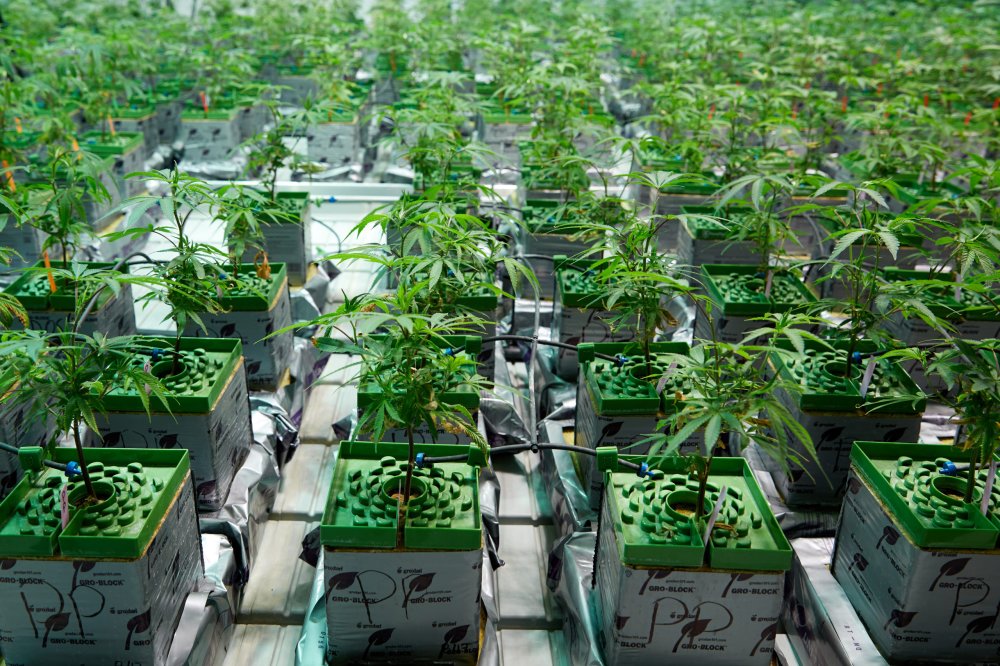
Rockwool has established itself as one of the most popular media in hydroponics. This material, manufactured from molten rock fibers, offers excellent water retention capacity while maintaining a porous structure that promotes root oxygenation. Its main advantage lies in providing a stable environment that allows cannabis genetics to fully express their terpene profiles. However, it can present elevated pH levels that require prior adjustments.
Air Cultivation
Growing in air represents a fascinating technique in which the roots develop completely suspended. This method allows maximum oxygenation of the root system, which can intensify the production of aromatic compounds. The roots, although naturally adapted to soil, can thrive in aerial environments when controlled humidity conditions are maintained.
Expanded Clay
Expanded clay pebbles stand out for their ability to provide excellent aeration to the roots. This inert medium allows cannabis genetics to develop robust root systems, promoting nutrient absorption and the full expression of their genetic characteristics. Its porous structure facilitates drainage while maintaining the necessary moisture.
Classification of Advanced Hydroponic Systems
The diversity of available hydroponic systems offers options for different levels of experience and cultivation objectives. Each method presents specific advantages that can influence how the aromatic and chemical properties of cannabis varieties develop.
Deep Water Culture (DWC)
The deep water culture system is characterized by keeping the roots submerged in a constantly oxygenated nutrient solution. This method is ideal for beginners due to its conceptual simplicity. The roots develop directly in nutrient-enriched water, while air pumps guarantee continuous oxygenation. This technique allows genetics to express their characteristics quickly, promoting the intense development of aromatic profiles.
Nutrient Film Technique (NFT)
The nutrient film technique completely eliminates the use of growing media, allowing the roots to extend freely in inclined channels. A continuous, thin flow of nutrient solution circulates through these channels, providing constant nutrients. This system promotes extensive development of the root system, which can translate into a more complete expression of the terpene compounds and cannabinoids characteristic of each variety.
Ebb and Flow
The ebb and flow system operates through controlled cycles of flooding and draining. The roots are periodically submerged in nutrient solution before being drained, creating cycles of feeding and aeration. This alternation between moisture and air exposure can stimulate the development of more resilient root systems and promote the concentration of aromatic compounds. The cycles are typically repeated three times daily using automated systems.
Aeroponics
Aeroponics represents the most advanced technique, in which the roots remain completely suspended in air while receiving regular sprays of nutrient solution. This method maximizes both oxygenation and nutrient absorption, which can result in an intensified expression of genetic characteristics. The total absence of a growing medium allows the roots to develop without restrictions, facilitating optimal absorption that can enhance the production of terpenes and other aromatic compounds.
Drip System
Drip systems are the most widespread form in commercial hydroponics. Each plant receives an individualized supply of nutrients through drip emitters connected to a central reservoir. This precision in feeding makes it possible to optimize conditions for each specific variety, adapting to the particular needs of different genetics. The growing medium provides support while the nutrients are distributed evenly.
Advantages of Hydroponic Systems
The benefits of hydroponics extend beyond simple accelerated growth. In these systems, the nutrients dissolved in water access the root system directly without the barriers present in soil. This immediate availability allows plants to devote more energy to developing upper structures and to synthesizing secondary compounds such as terpenes and cannabinoids.
The nutritional efficiency characteristic of these systems can translate into a more intense expression of the specific aromatic profiles of each variety. Genetics can reach their full potential when they face no limitations in access to nutrients, resulting in specimens that faithfully represent the characteristics of their genetic lineage.
Considerations and Challenges
Hydroponic systems require constant monitoring of parameters such as pH and electrical conductivity. These factors directly influence the capacity for nutrient absorption and, consequently, how the genetic characteristics of each variety are expressed. Precise control of these elements is crucial for genetics to fully manifest their distinctive aromatic and chemical profiles.
Selecting the appropriate system depends on factors such as the grower's experience, the available resources, and the specific objectives of the project. For collectors interested in observing the maximum expression of their genetics, understanding these systems provides a valuable perspective on the full potential of each variety in their collection.