


 English (English)
 Deutsch (German)
 Čeština (Czech)
 Italiano (Italian)
 Hrvatski (Croatian)
 Română (Romanian)
 български език (Bulgarian)
 Magyar (Hungarian)
 Español (Spanish)
 Français (French)
 Nederlands (Dutch)
 Polski (Polish)
 Slovenčina (Slovak)
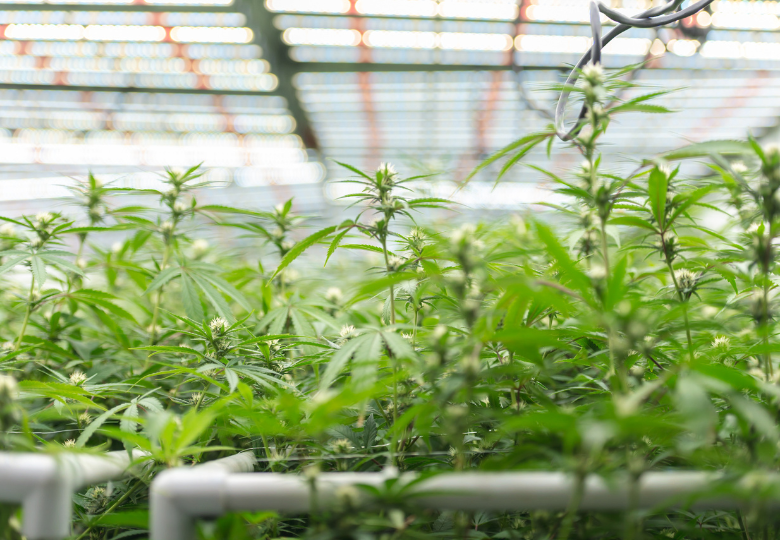
Indoor cannabis cultivation is an art that demands precision, dedication, and a deep understanding of the genetic needs of this extraordinary plant. For collectors of cannabis seeds who want to understand the characteristics of different varieties, it's essential to know the optimal conditions that allow genetics to fully express their aromatic potential and distinctive properties.
A controlled environment offers unique advantages: it allows you to closely study the terpene profiles, morphological traits, and genetic peculiarities of each variety. By understanding the ideal conditions, it becomes possible to better appreciate the genetic complexity that distinguishes the different lines of collector's cannabis.
Selecting Genetics for Controlled Environments
The choice of genetic material forms the foundation of every successful indoor cultivation project. Cannabis varieties differ significantly in their environmental requirements, development times, and final characteristics. Some genetics are naturally suited to controlled environments, showing greater resistance to stress and better adaptability to artificial conditions.
Indica varieties tend to be more compact and manageable in limited spaces, while sativa genetics generally require more vertical space and longer flowering times. Modern hybrid varieties often combine the best of both worlds, offering complex terpene profiles and growth characteristics optimized for indoor cultivation.
For collectors interested in collector's genetics, it's important to consider not only the final aromatic properties but also the ease of management and the specific requirements of each variety.
Lighting: The Heart of the Indoor System
Lighting is probably the most critical aspect of indoor cannabis cultivation. The quality and intensity of light directly influence the development of cannabinoids and terpene compounds that characterize each variety. Modern LED technologies have revolutionized this sector, offering light spectrums optimized for the different growth stages.
During the vegetative phase, plants need a spectrum rich in blue light (400-500nm), which promotes leaf development and plant structure. During flowering, on the other hand, red light (600-700nm) becomes crucial for flower formation and the development of aromatic compounds.
The distance between the lamps and the plants must be carefully calibrated: too close can cause heat stress and burns, too far reduces light efficiency. Modern LED systems allow for more precise temperature control, reducing the thermal management issues typical of earlier technologies.
Scheduling Light Cycles
Controlling the photoperiod is essential for guiding plants through the different stages of development. Most photoperiodic varieties require 18-24 hours of light during vegetative growth and 12 hours during flowering. Autoflowering varieties, on the other hand, often maintain 18-20 hour cycles throughout their entire development.
Environmental Control: Temperature and Humidity
Managing the indoor climate is a fundamental aspect for allowing cannabis genetics to express their distinctive characteristics. Excessive fluctuations in temperature and humidity can compromise the development of terpene profiles and negatively affect the plant's final structure.
Optimal temperatures range between 22-26°C during the day and 16-20°C during the dark period. This range allows for efficient metabolism and promotes the synthesis of aromatic compounds. Temperatures that are too high can degrade the more volatile terpenes, while temperatures that are too low slow down metabolic processes.
Managing Humidity Across the Different Stages
Relative humidity must be calibrated according to the plant's stage of development. Young seedlings thrive with humidity of 65-75%, which promotes root system development and initial growth. During the vegetative phase, humidity can be maintained between 50-65%.
The flowering phase requires particular attention: humidity should be gradually reduced to 40-50% to prevent fungal problems and promote the concentration of aromatic compounds. Excessive humidity during flowering can dilute terpene profiles and compromise the final quality of the collector's material.
Optimal Nutrition and Irrigation
Nourishing cannabis plants requires a balanced approach that takes into account the different stages of development and specific genetic requirements. The primary macronutrients - nitrogen, phosphorus, and potassium - must be supplied in varying proportions depending on the growth stage.
During the vegetative phase, nitrogen plays a predominant role in supporting leaf development and plant structure. With the onset of flowering, the need for phosphorus and potassium increases significantly to support flower formation and the synthesis of aromatic compounds.
Micronutrients such as calcium, magnesium, iron, and zinc are equally important for the proper functioning of metabolic processes. Deficiencies in these elements can manifest quickly in a controlled environment and compromise the optimal development of genetic characteristics.
Irrigation Techniques
Irrigation must be precisely calibrated: the substrate should partially dry out between waterings to promote root oxygenation. Excess water is often more harmful than temporary drought, as it can cause root rot and impair the absorption of nutrients.
Spatial Configurations for Indoor Cultivation
The choice of growing space significantly influences the final results and the manageability of the project. Each configuration presents specific advantages and particular challenges that must be carefully considered.
Grow Cabinets
Cabinets represent the most discreet and controllable solution for small-scale projects. They allow precise control of all environmental parameters but limit the plants' size and require compact genetic varieties. They're ideal for testing new collector's genetics or for experimental projects.
Professional Grow Boxes
Commercial grow boxes offer the best compromise between environmental control and ease of management. They're specifically designed for indoor cultivation, with integrated ventilation systems and lighting provisions. They represent a higher initial investment but greatly simplify day-to-day management.
Dedicated Rooms
Converting an entire room allows for more ambitious projects but requires greater expertise in climate management. Larger spaces need more sophisticated ventilation systems and more complex control of environmental parameters.
Ventilation and Air Circulation
An efficient ventilation system is crucial for maintaining optimal conditions and preventing problems related to stagnant air. Air exchange must be constant to supply fresh CO2 to the plants and remove excess humidity.
Extraction systems should be sized to completely renew the grow room's air every 3-5 minutes. Internal oscillating fans promote circulation and strengthen the plant's tissues, improving its final structure.
Indoor cannabis cultivation requires dedication, technical knowledge, and constant attention to detail. Each genetic variety presents unique characteristics that can only be fully appreciated through an understanding of optimal development conditions. For seed collectors, this knowledge represents a fundamental tool for appreciating the diversity and complexity of modern cannabis's genetic heritage.