


 English (English)
 Deutsch (German)
 Čeština (Czech)
 Italiano (Italian)
 Hrvatski (Croatian)
 Română (Romanian)
 български език (Bulgarian)
 Magyar (Hungarian)
 Español (Spanish)
 Français (French)
 Nederlands (Dutch)
 Polski (Polish)
 Slovenčina (Slovak)
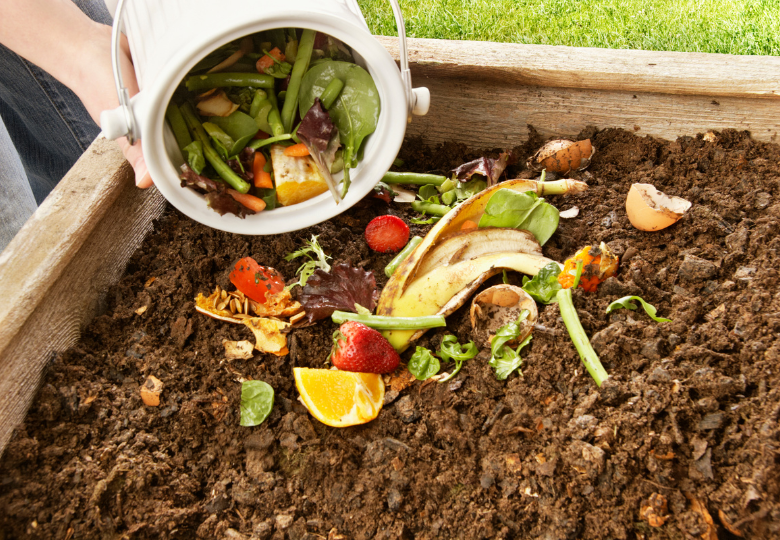



Compost tea is one of the most innovative solutions in the world of organic fertilizers, particularly appreciated by cannabis genetics enthusiasts who want to explore fully natural cultivation methods. This 100% organic liquid fertilizer is obtained through the aerobic fermentation of composted material, creating a concentrate extremely rich in bioavailable nutrients and beneficial microorganisms.
In recent years, the trend toward sustainable agriculture has led many growers to rediscover this ancient technique, refining it with modern scientific knowledge. The result is a nutrient-rich elixir that not only feeds the plants but also improves the entire soil ecosystem, creating optimal conditions for root development and natural resistance to environmental stress.
Composition and Nutritional Properties of Compost Tea
Compost tea stands out for its wealth of bioavailable nutrients and for the presence of a wide range of beneficial microorganisms. Its composition varies depending on the materials used in the starting compost, but generally includes:
- Essential macronutrients: nitrogen, phosphorus and potassium in easily assimilable forms
- Micronutrients: iron, manganese, zinc, boron, and other essential trace elements
- Humic and fulvic acids: substances that improve nutrient absorption
- Active enzymes: natural catalysts that accelerate the metabolic processes of plants
- Beneficial microorganisms: bacteria, mycorrhizal fungi, and other symbiotic microorganisms
This complex blend of organic components creates a slow-release fertilizer that feeds the plants in a balanced way, avoiding the nutritional spikes typical of synthetic chemical fertilizers.
Benefits for the Soil Ecosystem
Using compost tea brings numerous benefits to the soil ecosystem, creating ideal conditions for root development and overall plant health. The main advantages include:
Improved Soil Structure
Compost tea contributes significantly to improving the physical structure of the soil. The humic acids present in the solution promote the aggregation of soil particles, creating a more porous structure that facilitates air and water circulation. This natural soil aeration process is essential for developing a healthy, robust root system.
Increased Microbial Biodiversity
One of the most valuable characteristics of compost tea is its ability to introduce and maintain a rich population of beneficial microorganisms in the soil. These microorganisms perform crucial functions:
- Decomposition of organic matter and gradual release of nutrients
- Formation of beneficial symbioses with plant roots
- Natural protection against harmful pathogens
- Production of growth hormones and other bioactive compounds
Natural Protection from Pathogens
Compost tea acts as a natural protective shield against many soil pathogens. The presence of antagonistic microorganisms creates an environment unfavorable to the development of harmful fungi, pathogenic bacteria, and other organisms that could compromise plant health. This biological protection significantly reduces the need for interventions with synthetic chemical products.
Preparing Compost Tea: A Detailed Guide
Preparing compost tea requires attention to detail and the use of high-quality materials. The aerobic fermentation process is essential for obtaining a product rich in beneficial microorganisms and free of anaerobic pathogens.
Required Materials
To prepare a professional-quality compost tea, you will need:
- Fermentation container: a 20-50 liter vessel, preferably food-grade plastic
- Aeration system: an aquarium air pump with distribution tubing
- High-quality mature compost: 2-3 kg of well-aged compost
- Organic molasses: 200-300 ml as a carbohydrate source for the microorganisms
- Non-chlorinated water: essential to avoid harming microbial life
- Filtering system: fine-mesh cloth or a nylon stocking for the final filtration
Preparation Process
The preparation process follows precise steps that must be respected to ensure the quality of the final product:
Step 1 - Water preparation: If using tap water containing chlorine, let it sit for 24-48 hours with continuous aeration to allow the chlorine to evaporate. This step is crucial for preserving the beneficial microorganisms.
Step 2 - Loading the compost: Place the mature compost in the container, distributing it evenly. The compost must be of excellent quality, well decomposed, and free of unpleasant odors.
Step 3 - Adding water and aeration: Fill the container with non-chlorinated water, maintaining a ratio of about 1:10 between compost and water. Immediately activate the aeration system to ensure optimal aerobic conditions.
Step 4 - Adding molasses: Add the organic molasses as an energy source for the microorganisms. This ingredient promotes the multiplication of beneficial bacteria and improves the effectiveness of the final tea.
Step 5 - Controlled fermentation: Let it ferment for 24-48 hours with continuous aeration. The optimal temperature is around 20-25°C. During this time, a surface foam should form, a sign of intense microbial activity.
Application Methods and Dosages
Compost tea can be used in several ways, each with specific advantages and application guidelines. Its versatility of application makes it a valuable tool for every stage of the plant's life cycle.
Root Application
Direct soil application is the most common and effective method. The tea is diluted at a 1:10 ratio with non-chlorinated water and applied directly to the root zone. This method ensures direct nutrient absorption and promotes colonization of the rhizosphere by beneficial microorganisms.
Foliar Application
When carefully filtered, compost tea can also be used for foliar applications. In this case, the dilution must be greater (1:20), and the application should be carried out during the cooler hours of the day to avoid heat stress on the plants.
Application Frequency
For optimal results, it is recommended to apply compost tea every 7-14 days during the active growth phase. During periods of dormancy or stress, the frequency can be reduced while still maintaining the benefits for the soil ecosystem.
Compost tea is an excellent choice for cannabis genetics enthusiasts who want to explore sustainable and natural cultivation methods. Its preparation, though requiring attention and care, offers the satisfaction of creating a completely organic and highly effective fertilizer, contributing to environmental preservation and the quality of the cultivated genetic material.