


 English (English)
 Deutsch (German)
 Čeština (Czech)
 Italiano (Italian)
 Hrvatski (Croatian)
 Română (Romanian)
 български език (Bulgarian)
 Magyar (Hungarian)
 Español (Spanish)
 Français (French)
 Nederlands (Dutch)
 Polski (Polish)
 Slovenčina (Slovak)
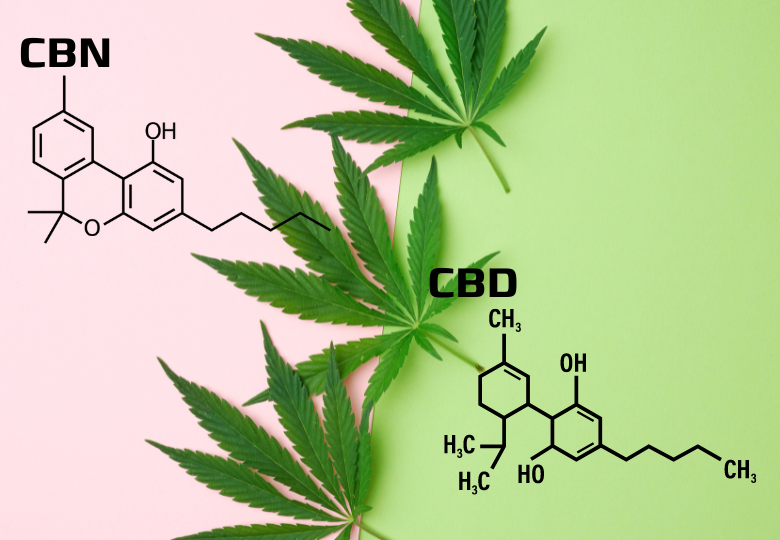



Cannabidiol (CBD) and Cannabinol (CBN): A Scientific Overview
In the vast universe of cannabinoids present in cannabis genetics, cannabidiol (CBD) and cannabinol (CBN) represent two chemical components of particular interest to collectors and enthusiasts of cannabis genetics. These compounds are part of a family that includes over 100 different natural molecules present in the genetic material of collectible cannabis varieties.
While CBD has gained notoriety in recent years for its non-psychoactive properties, CBN remains relatively little known in the European landscape of collectible seeds. Both of these cannabinoids offer aromatic profiles and unique chemical properties that make them extremely interesting for the study of the different genetic expressions of cannabis varieties.
Cannabidiol (CBD): Genetic Characteristics and Molecular Profile
Cannabidiol represents one of the most studied cannabinoids present in modern collectible seed genetics. Unlike THC, this molecule is characterized by a complete absence of psychoactive properties, making it particularly interesting for the analysis of terpene and cannabinoid profiles in collectible varieties.
Genetics rich in CBD often present complex aromatic profiles, with notes ranging from earthy to floral, from spicy to sweet. This aromatic diversity derives from the complex interaction between cannabinoids and terpenes present in the genetic heritage of these special varieties.
From a chemical composition standpoint, CBD is formed through a specific enzymatic process in the plant, starting from cannabidiolic acid (CBDA) which, through decarboxylation, transforms into the active form of cannabidiol.
Cannabinol (CBN): Formation and Chemical Properties
Cannabinol presents a completely different formation mechanism compared to CBD. This cannabinoid originates from the oxidative degradation of THC when plant material is exposed to environmental factors such as light, heat, and air for prolonged periods.
In more mature collectible varieties, or in those stored for long periods, the concentration of CBN tends to naturally increase. This chemical transformation process represents a fascinating phenomenon for collectors interested in the evolution of cannabinoid profiles over time.
Genetics that develop significant concentrations of CBN often present particularly intense and complex aromatic profiles, with notes reminiscent of musk, aged wood, and oriental spices. These distinctive aromas derive from the interaction between CBN and specific terpenes such as myrcene, linalool, and caryophyllene.
Process of CBN Formation
The transformation of THC into CBN occurs through a gradual oxidation process that can be influenced by several factors:
- Exposure to UV light which accelerates the degradation of THC molecules
- Elevated temperatures which favor the chemical transformation reactions
- Presence of oxygen which acts as a catalyst in the oxidative process
- Storage time which allows the completion of chemical reactions
Comparison between Cannabinoid Profiles: CBD vs CBN
The comparative analysis between these two cannabinoids reveals significant differences both at the molecular level and regarding the aromatic profiles of the collectible varieties that contain them.
CBD, being completely devoid of psychoactive properties, appears in modern genetics as a stable and predictable component. Varieties rich in CBD generally maintain consistent profiles over time, with concentrations that remain relatively constant when properly stored.
CBN, on the contrary, presents a slight affinity for cannabinoid receptors due to its origin from THC, although to a significantly reduced extent compared to the original compound. This characteristic is reflected in the more intense and penetrating aromatic profiles of varieties that are rich in it.
Properties of CBD Genetics
Collectible varieties characterized by high levels of CBD often present:
- Balanced terpene profiles with a predominance of limonene and pinene
- High genetic stability in the transmission of traits
- Natural resistance to environmental stress
- Regular and predictable flowering times
Characteristics of CBN Genetics
Varieties that develop significant concentrations of CBN show:
- Intense and persistent aromatic profiles with musky and earthy notes
- Variable concentrations depending on storage conditions
- Complex interactions with other minor cannabinoids
- High research potential for new scientific discoveries
Synergistic Interaction and Entourage Effect
A particularly fascinating aspect for collectors concerns the possible synergistic interaction between CBD and CBN in varieties that present both cannabinoids. This phenomenon, known as the "entourage effect," suggests that the combined presence of different cannabinoids may create more complex and interesting profiles.
Genetics that naturally express both compounds often present unique organoleptic characteristics, with layered aromatic bouquets that evolve over time. These multidimensional profiles represent the holy grail for many collectors specialized in the search for rare and particular varieties.
Considerations for Collectors: Preservation and Evaluation
For cannabis seed collectors, understanding the differences between CBD and CBN is fundamental to correctly evaluate the genetic potential of their collectible varieties. Genetics rich in CBD generally maintain their characteristics over time, while those predisposed to CBN production may develop increasingly complex aromatic profiles with controlled aging.
The selection of collectible seeds should take these aspects into account, considering both immediate characteristics and the potential for evolution over time. Seeds from varieties with stable genetics for CBD represent safe choices for beginner collectors, while varieties predisposed to CBN development offer more advanced study opportunities for experienced enthusiasts.
Evaluation Criteria for Collectors
When acquiring new genetics for your collection, it is important to consider:
- Genetic stability of the parental line
- Documentation of cannabinoid profiles provided by the producer
- Research potential offered by the genetics
- Rarity and uniqueness of the genetic heritage
- Compatibility with available storage conditions
The growing availability of specialized laboratory analyses today allows the most demanding collectors to obtain detailed profiles of the cannabinoids and terpenes present in their most prized varieties, opening new frontiers in the understanding and enhancement of the European cannabis genetic heritage.