


 English (English)
 Deutsch (German)
 Čeština (Czech)
 Italiano (Italian)
 Hrvatski (Croatian)
 Română (Romanian)
 български език (Bulgarian)
 Magyar (Hungarian)
 Español (Spanish)
 Français (French)
 Nederlands (Dutch)
 Polski (Polish)
 Slovenčina (Slovak)
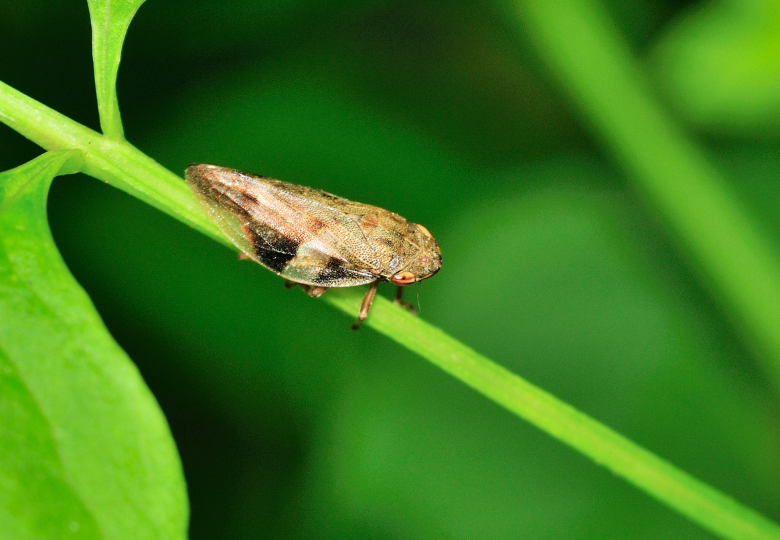



Thrips - Tiny Pests with a Big Impact on Cannabis Genetics
Collectors of cannabis seeds know that protecting valuable genetic material is essential to preserving the purity and quality of their strains. Among the many pests that can attack collection plants, thrips are a common but manageable challenge. These tiny insects can compromise valuable genetics if they are not detected and controlled in time.
Thrips are small insects that feed on plant sap, mainly attacking leaves and young tissue. Although they do not pose a catastrophic threat, their presence can affect the appearance and vitality of collection plants and make it harder to observe authentic genetic traits.
Distinguishing Features of Thrips
To correctly identify these pests, collectors need to know the characteristic morphological features of thrips. There are more than 20,000 different species with considerable color variation - from bright red and green to yellow, blue, pink, turquoise, purple, brown and black.
Thrips Anatomy
Common features that make it possible to identify thrips include:
- Six legs, with the hind pair sometimes hidden beneath the body
- Hairy hind legs, which allow them to make agile jumps
- An elongated, feather-shaped body, highly aerodynamic
- Narrow wings that lie flat against the body at rest
- Two compound eyes, positioned on top of the head
- Short antennae with a sensory function
- A characteristic sideways movement, similar to that of crabs, which is the most reliable identifying trait
Distinguishing Thrips from Similar Insects
Thrips are often confused with grasshoppers, but the differences are considerable. Grasshoppers have chewing mouthparts and leave visible holes in leaves, and at several centimeters in length they are significantly larger. Thrips, on the other hand, have piercing-sucking mouthparts, measure less than a centimeter, and extract sap through microscopic punctures.
Symptoms of a Thrips Infestation in Cannabis
Detecting thrips in a cannabis collection requires close observation of specific symptoms. The most obvious sign is directly spotting these insects, which move quickly across the leaf surface, displaying their characteristic sideways movement.
The damage caused by thrips varies depending on the species involved, but generally includes:
- Sticky secretions on the leaf surface, produced by their metabolic activity
- Tiny black dots, which are droppings deposited on the leaves
- Silvery or white patches in areas where sap has been extracted
- Discoloration of the leaves - yellowing, browning or drying of the affected tissue
- An overall degraded appearance of the genetic material, which makes observing the strain's traits more difficult
Unlike other pests, thrips do not pierce leaves all the way through; they leave only superficial traces of their feeding activity.
Effective Strategies for Controlling Thrips
Controlling thrips in cannabis collections requires a systematic, preventive approach. Although these pests do not pose an extreme threat to the genetic material, eliminating them is recommended in order to preserve the integrity of the collection.
Regular Monitoring and Early Detection
The most effective control strategy is the early detection of thrips. These pests often appear during periods of drought and water stress, which is why monitoring should be intensified during warm, dry periods.
Inspections should include a careful examination of the undersides of leaves, where thrips hide to avoid detection. Thanks to their fast sideways movement, they slip to the opposite side of the leaf when disturbed.
Using Neem Oil
Neem oil is an effective natural remedy against thrips. However, applying it to flowering plants can produce unpleasant aromas that alter the strain's natural terpene profile. For this reason, it should be applied with caution, avoiding contact with the flower clusters.
Using neem oil requires appropriate protective equipment and should be done when children and pets are not present, since potential side effects may occur.
Biological Control Using Beneficial Insects
Introducing natural predators is an ecological control method. Ground beetles, ladybugs and spiders are efficient thrips predators. However, artificially introduced ladybugs usually leave the area again after a few days, which limits the long-term effectiveness of this method.
Preventing Thrips Infestations
Preventive strategies are fundamental to the long-term protection of cannabis collections against thrips.
Growing Companion Plants
Planting companion plants near cannabis can divert thrips toward less valuable alternative targets. Although this method does not eliminate the risk entirely, it significantly reduces the likelihood of a severe infestation of collection plants.
Physical Protection with Covers
Setting up a protective cover system is the safest preventive method. Special covers prevent access by thrips and other pests while ensuring the air circulation and light access needed for the optimal development of the genetic material.
This physical approach is particularly valuable for collectors seeking to preserve the integrity of rare strains or maintain controlled conditions for observing specific genetic traits.
Conclusion
Managing thrips in cannabis collections requires constant vigilance and the application of integrated control strategies. Even though these pests do not permanently damage the genetic material, early detection and appropriate measures are essential for preserving the quality and appearance of collection plants. The combination of monitoring, biological control and physical prevention offers the most comprehensive protection for the collector's valuable genetic heritage.