


 English (English)
 Deutsch (German)
 Čeština (Czech)
 Italiano (Italian)
 Hrvatski (Croatian)
 Română (Romanian)
 български език (Bulgarian)
 Magyar (Hungarian)
 Español (Spanish)
 Français (French)
 Nederlands (Dutch)
 Polski (Polish)
 Slovenčina (Slovak)



Understanding CBD: More than Just Psychoactive Effects
CBD or cannabidiol has gained worldwide recognition as one of the most researched cannabinoids in cannabis genetics. Unlike THC, this compound does not produce psychoactive effects, making it a fascinating subject for seed collectors seeking genetics with specific cannabinoid profiles. High-CBD varieties exhibit unique aromatic properties and characteristic chemical features that make them particularly coveted in specialized collections.
Scientific studies have extensively documented the molecular properties of CBD and its interaction with the endocannabinoid system. Genetics with high levels of this cannabinoid often develop complex terpene profiles with dominant myrcene, limonene, and pinene, creating aromatic bouquets that range from citrus notes to earthy and herbal nuances.
CBD Delivery Forms and Their Concentrations
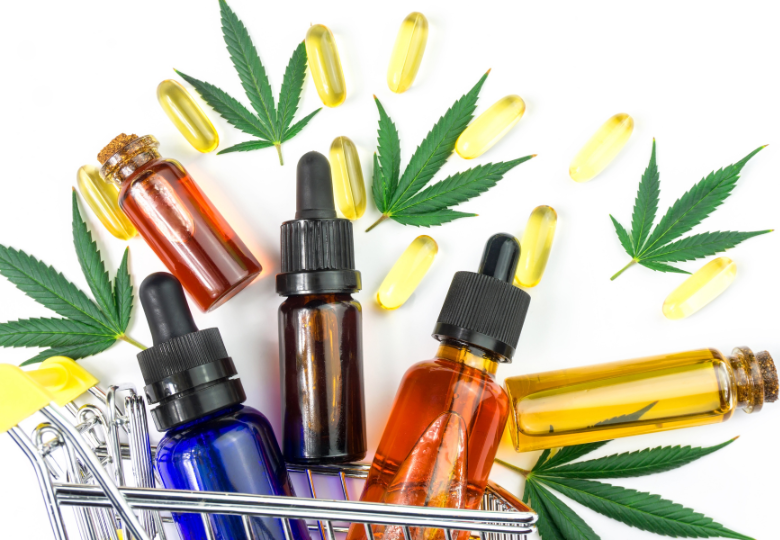
On today's market, CBD derived from selected genetics is offered in numerous formulations that allow for controlled examination of its properties. Oils and tinctures represent the most concentrated forms, while capsules and edibles offer more precise and standardized dosages.
Oils and Tinctures: Highest Concentration
Full-spectrum CBD oils preserve the complete profile of cannabinoids and terpenes present in the original genetics. A typical 10-ml bottle can contain between 500 and 2000 mg of CBD, with each drop corresponding to approximately 0.05 ml. This delivery form allows for precise control of amounts and is particularly useful for researchers studying the effects of different concentrations.
Edibles: Standardized Dosage
CBD capsules and gummies offer pre-determined amounts from 5 mg to 50 mg per unit. While they offer less flexibility in dosing, their standardized format facilitates tracking of consumed amounts and enables a more controlled examination of the effects of specific doses.
Determining the Right CBD Amounts
Determining appropriate CBD amounts depends on numerous individual factors, including body weight, personal tolerance, and the specific intended use. Studies suggest that initial doses should begin with minimal amounts of 5-10 mg daily and can be gradually increased depending on individual response.
For those who require more pronounced effects due to specific circumstances, doses can rise to 50-100 mg daily or more. However, it is crucial to understand that each organism processes cannabinoids in a unique way, and what is effective for one person may not be for another.
Factors Influencing Dosage
Individual metabolism plays a fundamental role in how the body processes CBD. Factors such as age, weight, body composition, and the use of other medications can significantly alter the way the organism absorbs and utilizes this cannabinoid. Additionally, the method of administration directly affects bioavailability: sublingual oils are absorbed more quickly than edibles.
Signs of Overdose: Recognizing Warning Signals
Although CBD has a favorable safety profile compared to other compounds, adverse effects can occur with excessive consumption. Clinical studies have documented that doses of up to 1500 mg daily are generally well tolerated, but higher amounts can trigger unwanted symptoms.
The most common symptoms associated with excessive CBD consumption include:
- Persistent dry mouth
- Temporary lowering of blood pressure
- Excessive drowsiness
- Mild dizziness and disorientation
- Nausea and stomach discomfort
- Changes in appetite
- Changes in digestive patterns
Documented Cases of Excessive Consumption
The scientific literature has recorded specific cases illustrating the consequences of excessive CBD consumption. One particularly well-documented case involved a 56-year-old person who consumed approximately 370 mg of CBD in the form of gummies to treat back discomfort. The resulting symptoms included vomiting, speech difficulties, and disorientation, requiring immediate medical treatment with intravenous fluids and oxygen.
Safe Limits and Scientific Considerations
Current research suggests that the tolerance threshold for CBD in most healthy adults is approximately 1500 mg daily. However, this figure should be interpreted with caution, as individual variability can be significant. Toxicological studies have shown that while CBD has a wide safety margin, consuming excessively high amounts can lead to temporary adverse effects.
The interaction with other substances must also be carefully considered. CBD can alter the metabolism of certain medications by inhibiting the enzymes of the cytochrome P450 system, which can potentially increase or decrease the effectiveness of other treatments. This property underscores the importance of consulting healthcare professionals before incorporating CBD products into a therapeutic regimen.
Recommendations for Responsible Use
The most cautious approach to using CBD is to start with minimal doses and gradually increase them based on individual response. Keeping a detailed log of the amounts consumed and effects observed can provide valuable information to optimize the individual experience. Additionally, choosing products from trustworthy sources with detailed laboratory analyses ensures the purity and potency of the CBD being used.