


 English (English)
 Deutsch (German)
 Čeština (Czech)
 Italiano (Italian)
 Hrvatski (Croatian)
 Română (Romanian)
 български език (Bulgarian)
 Magyar (Hungarian)
 Español (Spanish)
 Français (French)
 Nederlands (Dutch)
 Polski (Polish)
 Slovenčina (Slovak)
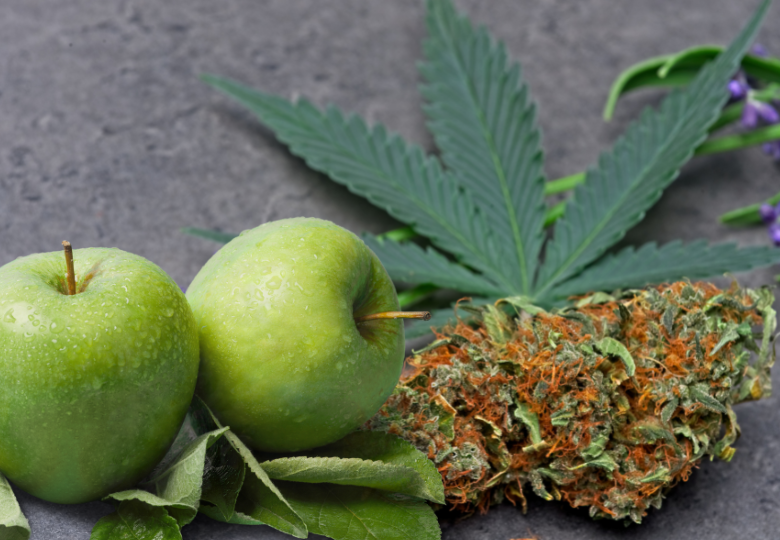



What is Farnesene? A Unique Terpene in Cannabis Genetics
Farnesene represents one of the most fascinating aromatic compounds in cannabis, although it remains in the shadows compared to better-known terpenes like myrcene or limonene. This sesquiterpene, chemically classified as containing 15 carbon atoms and three isoprene units, occurs in two main forms: alpha-farnesene and beta-farnesene. Its unique aromatic profile and special chemical properties make it a valuable component for seed collectors seeking genetics with distinctive terpene profiles.
Unlike other terpenes widely distributed in the plant kingdom, farnesene appears in relatively low concentrations in cannabis varieties, which makes it especially interesting from a genetic conservation standpoint. This compound is not exclusive to cannabis, as it is also found in apples, citrus fruits, turmeric, ginger, hops, and various aromatic woods such as cedar and sandalwood.
Chemical Characteristics and Aromatic Profile of Farnesene
Farnesene belongs to the family of sesquiterpenes, molecules more complex than common monoterpenes. Its molecular structure gives it particular aromatic properties that contribute to the overall bouquet of the genetics that contain it. In nature, this terpene functions as a natural defense mechanism against specific pests, especially aphids, while simultaneously attracting beneficial insects that act as biological control agents.
Cannabis genetics that express farnesene typically show subtle but distinctive aromatic nuances, with notes reminiscent of green fruits, fresh wood, or mild spices. This complex aromatic profile makes these genetics particularly valued by collectors who appreciate the chemical diversity of cannabis.
Stability and Preservation of the Terpene Profile
The proper preservation of collectible seeds is crucial to maintain the genetic potential of farnesene. This terpene, due to its sesquiterpene structure, can be more stable than some monoterpenes, but it requires specific storage conditions to preserve its molecular integrity in the genetic material.
Scientifically Documented Properties of Farnesene
Scientific research has identified multiple interesting properties of farnesene that explain its presence in various plant species. Studies have documented antimicrobial characteristics, especially against staphylococcus strains, suggesting an evolutionary role in plant protection.
Antimicrobial Activity and Natural Protection
Research has shown that farnesene exhibits significant antimicrobial activity when acting synergistically with other terpenes present in essential oils. This property may partially explain why certain cannabis genetics containing this terpene show greater resistance to specific pathogens.
Documented Anti-inflammatory Properties
Scientific studies have evaluated the anti-inflammatory properties of farnesene through analysis of essential oils rich in this compound, such as those derived from valeriana officinalis. The results suggest significant potential in modulating inflammatory responses, a characteristic that could be relevant for understanding the complete chemical profile of cannabis genetics.
Anticariogenic Activity
One of the most surprising documented properties of farnesene is its ability to reduce cariogenic bacteria in in vitro studies. This specific antimicrobial characteristic demonstrates the complexity and potential of natural compounds present in cannabis plants.
Collectible Genetics Rich in Farnesene
For collectors interested in preserving genetics with unique terpene profiles, identifying varieties with notable farnesene content represents a fascinating challenge. Although few commercial varieties have been specifically analyzed and documented for their farnesene content, some genetics have shown detectable presence of this sesquiterpene.
The new F1 hybrid genetics are showing more diverse and complex terpene profiles, including the expression of less common terpenes such as farnesene. This represents an exciting opportunity for collectors seeking to preserve the chemical diversity of cannabis.
Notable Varieties in Specialized Collections
Among the collectible genetics that have shown detectable farnesene content are some specific lines such as Cherry Punch, known for its complex terpene profile, and certain White Rhino genetics that express this sesquiterpene in their chemical analyses.
The modern F1 genetics such as Titan F1 and Milky Way F1 represent advances in stabilizing diverse terpene profiles, including the expression of less common but chemically significant terpenes such as farnesene.
Conservation and Future of Farnesene in Cannabis Genetics
The preservation of cannabis terpene diversity necessarily includes the conservation of genetics that express less common compounds such as farnesene. For serious collectors, this means not only acquiring quality seeds but also understanding the importance of maintaining genetic lines that contribute to the total chemical richness of the species.
The future of terpene research promises to reveal more details about the role of farnesene in the chemical ecosystem of cannabis. As analytical techniques become more sophisticated and accessible, we are likely to discover more genetics that express this fascinating sesquiterpene.
For collectors who value the chemical diversity and scientific potential of their collections, genetics containing farnesene represent a valuable addition that contributes to the preservation of the complete genetic heritage of cannabis.