


 English (English)
 Deutsch (German)
 Čeština (Czech)
 Italiano (Italian)
 Hrvatski (Croatian)
 Română (Romanian)
 български език (Bulgarian)
 Magyar (Hungarian)
 Español (Spanish)
 Français (French)
 Nederlands (Dutch)
 Polski (Polish)
 Slovenčina (Slovak)

Wet Hemp Buds: Recognizing and Solving the Problem
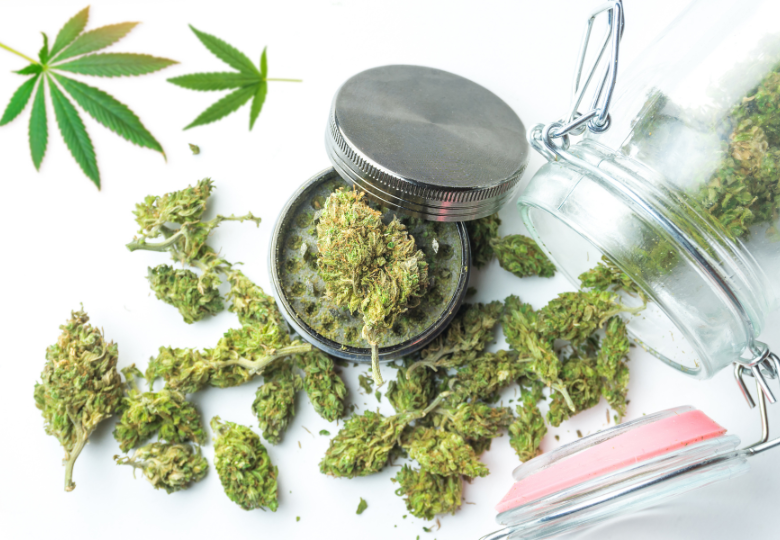
When storing samples of hemp genetics, it can happen that the harvested material turns out damp or wet. This inconvenience can result from several factors: inadequate drying conditions, storage in overly humid environments, or accidental exposure to water or the elements. Wet buds represent a serious problem for collectors, as they compromise the quality of the genetic material and can promote the development of harmful mold.
Promptly recognizing excess moisture is essential to preserve the aromatic characteristics and the chemical composition of the genetics. A properly dried bud keeps its organoleptic properties and its distinctive terpene profile intact.
How to Distinguish Wet Buds from Resinous Ones
The distinction between damp material and buds that are naturally sticky due to the presence of resin is crucial for every collector. Properly dried buds display specific characteristics that differentiate them from excessively damp ones.
Well-dried buds can be recognized by:
- A surface that is dry to the touch but slightly sticky due to the presence of resinous trichomes
- A consistency that retains a certain elasticity without being spongy
- A characteristic "crackling" sound when gently pressed between the fingers
- An intense, well-defined aromatic profile
Buds that are too wet, on the other hand, show:
- A surface that is wet or excessively soft to the touch
- A tendency to compress when pressed without returning to their original shape
- The absence of the characteristic "crackling" sound
- A muted or altered aromatic profile
Risks and Consequences of Excess Moisture
Ignoring the moisture problem in collectible hemp genetics can lead to serious consequences. A humid environment promotes the proliferation of mold and bacteria that can irreversibly compromise the quality of the genetic material.
Mold not only degrades the organoleptic properties of the buds but can also be harmful to health. For this reason, it is essential to act promptly when excess moisture is detected in the stored material.
From a practical point of view, wet buds also present difficulties in handling. It is problematic to grind wet material, which tends to stick to tools and does not break down evenly. In addition, moisture adds weight to the product: during the drying process, buds can lose up to 75% of their initial weight in water.
Effective Methods for Drying Wet Buds
There are several techniques for removing excess moisture from hemp genetics, each with its own specific advantages. The choice of method depends on the degree of moisture present and the available environmental conditions.
The Paper Towel Technique
This method represents an immediate and accessible solution for absorbing surface moisture from the buds.
Procedure:
- Divide the buds into smaller portions to facilitate uniform drying
- Gently wrap each portion in paper towels or place it in paper bags
- Arrange the material in a cool, dry environment with good ventilation
- Turn the buds periodically every 2-3 hours to ensure even drying
- Replace the paper when it becomes saturated with moisture
- Continue the process until completely dry
During this process it is important to monitor constantly to prevent the formation of mold, especially in the early stages when the moisture level is highest.
The Rice Method for Moisture Absorption
Uncooked rice is an excellent natural moisture absorber, also used to dry out wet electronic devices. This technique proves particularly effective for very damp buds.
Detailed procedure:
- Completely submerge the wet buds in uncooked rice using a glass container
- Leave the container uncovered and place it in a dark, dry spot
- Ensure adequate air circulation in the room to prevent moisture buildup
- Wait at least 24 hours before checking the results
- If necessary, extend the treatment for another 24 hours
- Once removed from the rice, check the degree of dryness achieved
Using Cardboard Containers
Cardboard has naturally absorbent properties that make it ideal for gradually removing moisture from hemp genetics.
How to apply this method:
- Place the buds inside a cardboard box of appropriate size
- Close the box and let it rest for 8-12 hours
- Check the drying status periodically
- If necessary, repeat the process using dry cardboard
Mistakes to Avoid in the Drying Process
When faced with wet buds, natural instinct might suggest using heat sources to speed up drying. However, this approach can prove counterproductive and irreversibly damage the properties of the genetic material.
Applying excessive heat can degrade the terpene compounds responsible for the aromatic profile of the genetics, thereby altering the characteristics that make each variety unique. Furthermore, drying too quickly can compromise the cellular structure of the buds, negatively affecting their overall quality.
It is essential to maintain moderate temperatures and ensure adequate ventilation throughout the drying process. Patience at this stage translates into better preservation of the original qualities of the collectible material.