


 English (English)
 Deutsch (German)
 Čeština (Czech)
 Italiano (Italian)
 Hrvatski (Croatian)
 Română (Romanian)
 български език (Bulgarian)
 Magyar (Hungarian)
 Español (Spanish)
 Français (French)
 Nederlands (Dutch)
 Polski (Polish)
 Slovenčina (Slovak)


Limonene: An Essential Terpene in Cannabis Genetics
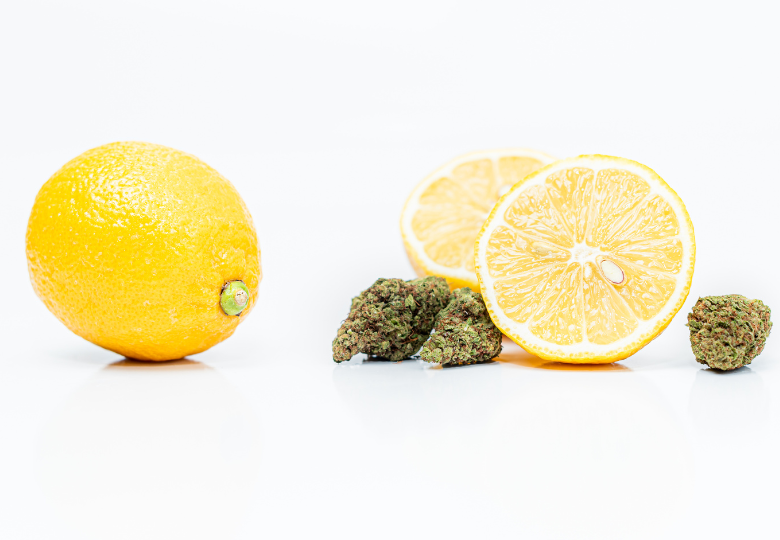
In the world of cannabis collector seeds, limonene plays a crucial role as one of the most significant terpenes. This aromatic molecule not only determines the characteristic citrus-like scent profile of many genetic lines, but also contributes to the complex chemical composition that makes each variety unique. For collectors interested in the scientific aspects of cannabis genetics, limonene offers a fascinating insight into how terpenes influence the properties of different cultivars.
Limonene is a monoterpene that occurs naturally in numerous plant species, including citrus fruits, rosemary, eucalyptus and, of course, cannabis. In the context of collector seeds, it is particularly interesting to understand how this terpene contributes to the overall aromatic profile and the potential therapeutic properties of different genetic lines.
Chemical Properties and Natural Sources
From a scientific perspective, limonene is a cyclic monoterpene with the molecular formula C₁₀H₁₆. This aromatic molecule occurs in two enantiomeric forms: D-limonene and L-limonene, with D-limonene being the most common form in cannabis genetics. The presence of limonene in collector seeds can be detected by gas chromatography, a technique commonly used for terpene profiling.
In nature, we find limonene not only in cannabis, but also in:
- Citrus peels (up to 97% of the essential oils)
- Juniper and rosemary
- Peppermint and eucalyptus
- Cardamom and black pepper
- Various pine species
For collectors of cannabis collector seeds, it is important to understand that limonene content can vary greatly between different genetic lines and even between individual plants of the same variety.
Terpene Profiles in Cannabis Collections
Modern analytical techniques have shown that limonene is often one of the dominant terpenes in many popular cannabis genetics. The percentage can vary from a few percent up to 15-20% of the total terpene profile, depending on the specific genetic line and growing conditions.
Scientific Research on Limonene
Extensive scientific research has brought to light various interesting properties of limonene. Studies show that this terpene possesses antioxidant and anti-inflammatory properties, which contributes to the complex chemical composition of cannabis genetics.
Antioxidant and Anti-Inflammatory Properties
Research published in scientific journals shows that limonene possesses strong antioxidant properties. A study conducted on mice with inflammatory bowel disease showed that limonene can effectively reduce oxidative stress. These results are relevant for collectors interested in the therapeutic potential of different genetic lines in their collection.
Additional research on older individuals showed that limonene, in controlled doses, can have significant anti-inflammatory effects, which contributes to our understanding of why certain cannabis genetics have historically been valued for their well-being properties.
Analgesic and Neurological Properties
Scientific research suggests that limonene possesses analgesic properties. Studies from 2017 show that the anti-inflammatory and antioxidant properties of limonene may partially explain why this terpene shows pain-relieving effects in animal studies.
Neurological research has also shown that limonene can influence the serotonergic system, which is relevant for understanding why certain limonene-rich genetic lines are known for their calming and mood-enhancing profiles.
Limonene-Rich Cannabis Genetics for Collectors
For serious collectors of cannabis collector seeds, there are various genetic lines known for their high limonene content. These varieties are valued not only for their characteristic citrus-like aroma, but also for their unique terpene profiles that contribute to the diversity of any collection.
Popular Limonene-Rich Varieties
Some of the most appreciated genetic lines with high limonene concentrations are:
- Super Lemon Haze - A sativa-dominant hybrid known for its intense citrus aroma
- Jack Herer - A classic variety with a complex terpene profile in which limonene is prominently represented
- Durban Poison - A pure sativa with naturally high limonene levels
- Wedding Cake - A popular hybrid with a unique combination of limonene and other terpenes
- Do-Si-Dos - Known for its balanced terpene profile with significant limonene presence
These collector seeds offer collectors the opportunity to explore and study the diversity of limonene profiles in their collection.
Storage and Analysis of Limonene-Rich Genetics
For optimal storage of collector seeds with high limonene content, it is important to protect them from light, heat and moisture. Limonene is a volatile molecule that can degrade under suboptimal storage conditions, which can affect the integrity of the genetic material.
Professional collectors often use controlled environments with stable temperatures between 4-8°C and low humidity to preserve the terpene integrity of their genetic collections.
The Role of Limonene in the Entourage Effect
One of the most fascinating aspects of limonene in cannabis genetics is its role in the so-called entourage effect. This concept describes how different terpenes and cannabinoids work together to determine the overall properties of a genetic line.
Limonene can act synergistically with other compounds such as CBD and THC, as well as other terpenes such as myrcene, pinene and linalool. These complex interactions make each genetic line unique and contribute to the rich diversity that collectors can explore in their collections.
For scientifically oriented collectors, the study of limonene-rich genetics provides insights into the fundamental biochemistry of cannabis and the evolutionary development of this fascinating plant species. Continued research on terpenes such as limonene continues to reveal new possibilities for understanding plant genetics and chemical diversity.