


 English (English)
 Deutsch (German)
 Čeština (Czech)
 Italiano (Italian)
 Hrvatski (Croatian)
 Română (Romanian)
 български език (Bulgarian)
 Magyar (Hungarian)
 Español (Spanish)
 Français (French)
 Nederlands (Dutch)
 Polski (Polish)
 Slovenčina (Slovak)


Organic Fertilizers for Cannabis Genetics: A Complete Guide
Cannabis seed collectors studying the genetic potential of their varieties know that understanding optimal nutrition is essential for fully appreciating the aromatic profiles and chemical characteristics of each strain. Homemade organic fertilizer represents a sustainable, economical option for those who want to understand how different nutritional compositions can theoretically influence the development of these unique genetic specimens.
Making organic compost using common household ingredients is not only more environmentally friendly than synthetic chemical products, but it also provides a deeper understanding of how cannabinoids and terpenes develop naturally under ideal nutritional conditions.
Chemical Fundamentals of NPK in Cannabis Genetics
The well-known NPK (Nitrogen-Phosphorus-Potassium) ratio represents the three essential macronutrients that determine the expressive potential of any cannabis variety. Each phase of these plants' theoretical life cycle requires specific proportions of these elements to maximize the expression of their distinctive genetic characteristics.
During the early vegetative phases, strains typically require a higher concentration of nitrogen to develop their characteristic foliar structure. During the reproductive stages, on the other hand, phosphorus and potassium become crucial for the formation of the aromatic compounds that define each particular genetic profile.
Micronutrients and Terpene Profiles
Micronutrients such as calcium, magnesium, and sulfur play fundamental roles in terpene biosynthesis. These aromatic compounds are responsible for the unique olfactory profiles that characterize legendary varieties such as Kush, Haze, or Skunk genetics.
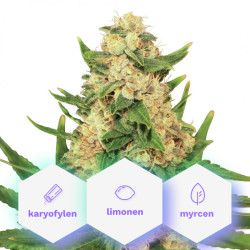
Sulfur, for example, is essential for producing sulfur-containing terpenes such as myrcene, while magnesium acts as a cofactor in chlorophyll synthesis, directly influencing photosynthetic capacity and, therefore, the production of secondary metabolites.
Household Ingredients for Premium Organic Fertilizer
Coffee Grounds: Black Gold for Cannabis Genetics
Used coffee grounds are an exceptional source of slow-release organic nitrogen. With a slightly acidic pH (around 6.2), these leftovers provide the ideal conditions that many cannabis varieties naturally prefer.
In addition to nitrogen, coffee grounds contribute trace amounts of potassium and phosphorus, creating a well-balanced fertilizer that is perfect for the early stages of genetic development. The granular texture also improves substrate aeration, facilitating optimal root development.
Eggshells: Natural pH Regulator
Crushed eggshells function as an ultra-slow-release source of calcium, while simultaneously acting as a natural regulator of soil pH. This mineral is crucial for cellular structural integrity and the proper absorption of other nutrients.
To maximize their effectiveness, it is recommended to grind the shells into a fine powder, which speeds up their bioavailability. One teaspoon per liter of substrate provides enough calcium for balanced genetic development.
Banana Peels: Potassium and Natural Enzymes
Banana peels are known for their high potassium content, an essential macronutrient for cannabinoid synthesis and cellular osmotic regulation. They also contain natural enzymes that enhance soil microbial activity.
Their decomposition gradually releases additional phosphorus and magnesium, creating a complex nutritional environment that favors the full expression of each variety's genetic potential.
The Science of Composting
Creating top-quality organic compost requires maintaining a precise balance between carbon-rich materials ("brown" elements) and nitrogen-rich materials ("green" elements). The ideal carbon-to-nitrogen ratio ranges between 25:1 and 30:1.
Recommended Carbon Materials:
- Dry leaves and small twigs
- Paper and cardboard without ink
- Sawdust from untreated wood
- Straw and cellulosic materials
Ideal Nitrogen Materials:
- Fruit and vegetable scraps
- Coffee and tea grounds
- Fresh grass clippings
- Composted animal manure
Controlling Environmental Variables
Compost temperature should be kept between 55-65°C during the active decomposition phase. This temperature range ensures the elimination of pathogens while preserving the beneficial microorganisms essential for substrate health.
Optimal moisture is around 50-60%. Compost that is too wet will develop anaerobic conditions that produce unpleasant odors, while one that is too dry will slow down the decomposition process.
Advantages of Organic Fertilizer for Collectors
Environmental Sustainability: Homemade organic fertilizers significantly reduce the carbon footprint associated with producing and transporting synthetic commercial products.
Genetic Safety: The slow, steady release of nutrients minimizes the risk of nutrient burn, which could compromise the natural genetic expression of the most sensitive varieties.
Improved Terroir: Similar to the wine-making concept, organic compost develops a unique "terroir" that can subtly influence the final aromatic profiles, adding complexity to the natural terpenes.
Circular Economy: Turning household waste into high-quality fertilizer is a perfect example of the circular economy, maximizing the value of materials that would normally be thrown away.
Advanced Scientific Considerations
The beneficial microorganisms present in mature compost, including rhizosphere bacteria and mycorrhizal fungi, establish symbiotic relationships that can significantly enhance nutrient absorption and the plants' natural resistance.
These microorganisms are also involved in the biotransformation of complex organic compounds, gradually releasing amino acids and humic and fulvic acids that act as natural biostimulants.
For collectors interested in preserving and studying rare genetics, homemade organic fertilizer is an invaluable tool for understanding the full potential of each unique variety in their collection.