


 English (English)
 Deutsch (German)
 Čeština (Czech)
 Italiano (Italian)
 Hrvatski (Croatian)
 Română (Romanian)
 български език (Bulgarian)
 Magyar (Hungarian)
 Español (Spanish)
 Français (French)
 Nederlands (Dutch)
 Polski (Polish)
 Slovenčina (Slovak)
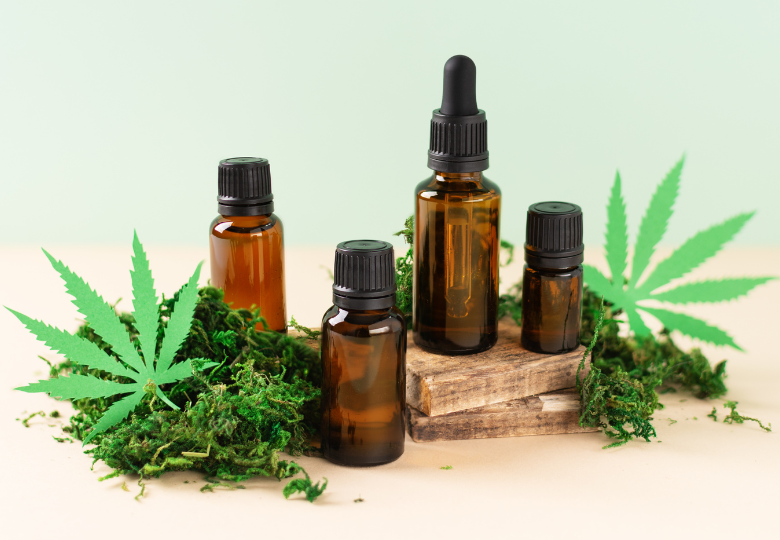



The Organoleptic Profile of CBD Oil: A Complete Guide
Nowadays, many people are looking for natural alternatives for moments of relaxation, and CBD oil has established itself as one of the most popular products among cannabis enthusiasts. However, one common question comes up before the first experience: what does CBD oil actually taste like?
The taste profile of CBD oil can generally be described as earthy, herbaceous and slightly bitter, reminiscent of nuts or fresh grass. This organoleptic characteristic comes mainly from the natural compounds extracted from cannabis genetics, including stems, leaves and flowers that contribute these distinctive notes. For those who appreciate complex, earthy flavors similar to dark chocolate or bitter coffee, natural CBD oil can be quite enjoyable.
Factors That Determine the Taste of CBD Oils
The aromatic complexity of each CBD oil depends on multiple variables during its production and final composition. The main elements that define the taste profile include:
- The extraction method used
- The type of cannabinoid spectrum
- The terpene profile present
- The carrier oil selected
- Any aromatic additives incorporated
Types of Cannabinoid Spectrum
Full-spectrum oils retain all the compounds naturally present in the original genetics, including cannabinoids, terpenes, flavonoids and essential fatty acids. These products show a more pronounced and complex taste, with intense earthy notes that require the palate to adjust somewhat.
On the other hand, broad-spectrum oils retain most terpenes and cannabinoids but eliminate THC completely. Their taste profile varies considerably depending on the specific terpene composition, and can present citrus, herbaceous or even floral nuances.
CBD isolates represent the purest form of cannabidiol, with no additional plant compounds. Since they lack terpenes and flavonoids, these products are practically tasteless and odorless, making them easy to flavor with natural flavorings such as citrus, mint or vanilla.
The Influence of Aromatic Terpenes
Terpenes are the main substances responsible for the characteristic aroma and taste of cannabis-derived products. These aromatic molecules, naturally present in many plant species, define the specific organoleptic profile of each genetics.
Among the most common terpenes are limonene, which contributes refreshing citrus notes; pinene, responsible for resinous aromas similar to pine; and myrcene, which contributes herbaceous and earthy nuances. The unique combination of these compounds in each genetics creates distinctive aromatic profiles that can be fruity, spicy, floral or woody.
Carrier Oils and Their Impact on Taste
To optimize bioavailability and make dosing easier, CBD extracts are combined with carrier oils that also significantly influence the final taste. The most commonly used carrier oils include:
- Hemp seed oil: contributes characteristic nutty notes, especially walnuts and toasted seeds
- Fractionated coconut oil: offers a neutral profile with a slight tropical freshness
- Olive oil: can produce intense flavors reminiscent of cooking oil, especially at low concentrations
Strategies to Improve the Tasting Experience
Although many users come to appreciate the natural taste of CBD oil, there are various techniques for improving or masking its characteristic earthy profile. These strategies make it possible to enjoy the benefits of CBD without compromising the sensory experience.
Adding It to Drinks and Food
One of the most effective methods is to mix CBD oil into culinary preparations that complement or neutralize its natural taste. Fruit smoothies, citrus juices or plant-based drinks offer aromatic profiles strong enough to fully mask CBD's earthy notes.
Preparations with chocolate, coffee or tea are also particularly effective, since their bitter, complex components blend naturally with the cannabis profile. However, it is worth keeping in mind that sublingual administration provides faster and more efficient absorption.
Taste-Masking Techniques
For those who prefer to keep direct administration but want to minimize the taste impact, it helps to eat something aromatic immediately afterward. Fresh fruit, mints, sugar-free chewing gum or small snacks can effectively neutralize the aftertaste.
Another strategy is to chill the oil before consuming it, since low temperatures temporarily reduce aroma perception, making it easier to swallow for users who are sensitive to strong flavors.
Choosing Products Based on Taste Preferences
The CBD industry has developed a wide range of flavored products that maintain the quality and purity of cannabidiol while offering more enjoyable tasting experiences for different palates. Natural flavorings such as fruit extracts, aromatic herbs or spices make it possible to create fully customized profiles.
It is essential to check that the flavorings used are of natural origin and free of synthetic additives that could cause adverse reactions or compromise product quality. Responsible manufacturers provide detailed information about all the components included in their formulations.
For collectors interested in genetic diversity, exploring different terpene profiles makes it possible to discover varieties with naturally more appealing organoleptic characteristics, ranging from genetics with a citrus predominance to those with sweet or spicy notes that need less intervention to become palatable.