


 English (English)
 Deutsch (German)
 Čeština (Czech)
 Italiano (Italian)
 Hrvatski (Croatian)
 Română (Romanian)
 български език (Bulgarian)
 Magyar (Hungarian)
 Español (Spanish)
 Français (French)
 Nederlands (Dutch)
 Polski (Polish)
 Slovenčina (Slovak)
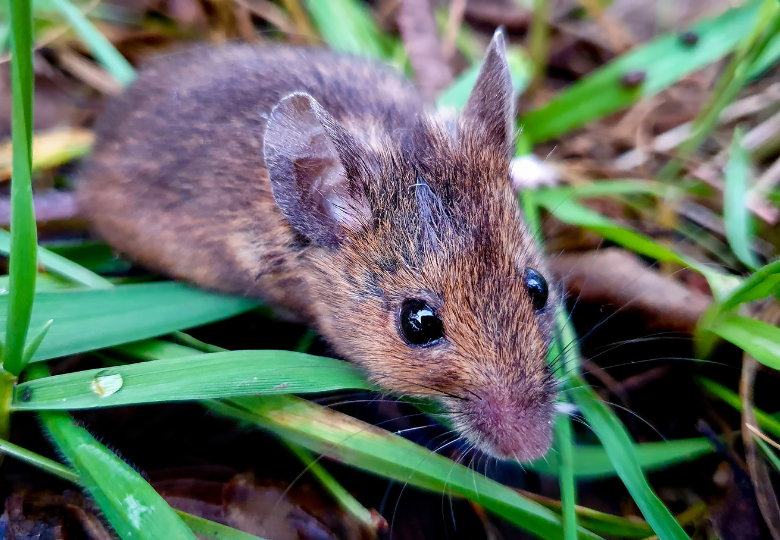



Cannabis seed collectors who grow rare genetics for study purposes often underestimate a silent threat: rodents. Mice and rats are one of the worst nightmares for anyone preserving collector varieties, as they can devastate entire crops in a short time. These mammals don't just gnaw on plants, they also leave droppings everywhere, spread disease, and reproduce at alarming rates. Like any other valuable plant genetic material, collector cannabis varieties also require adequate protection against these pests.
Rodents as a threat to cannabis genetic material
Most collectors focus on preventing aphids, mites, and thrips, but often overlook the possible presence of roaming rodents in the growing environment. Mice and rats are opportunistic creatures constantly on the lookout for food. Although they prefer human waste, when this source runs out, they turn to fresh plant material. These animals can cause devastating damage to collections, devouring the leaves of seedlings and gnawing on the woody stems of mature plants. To preserve the value of your genetic heritage, it is essential to learn how to effectively deter these rodents.
Identifying signs of infestation
Damage caused by mice and rats ranges from minor lesions to the complete destruction of specimens. There are several indicators that reveal the presence of these pests in your growing space. The first signs to look for on collector plants include:
- Gnawed stems with characteristic teeth marks
- Damaged or partially consumed flowers
- Dark droppings near the plants
- Small tunnels dug into the growing substrate
- Visible trails in the soil connecting food sources to hiding spots
Analysis of damage to genetic heritage
When rodents attack collector varieties, they compromise not only the health of the plants, but also the integrity of the genetic material they represent. Damage to the stems can interrupt the flow of nutrients, while damaged flowers can make it impossible to collect seeds for preserving the genetics. It is therefore crucial to act quickly at the first sign of presence to safeguard the value of the collection.
Protection strategies for collector genetics
Once the presence of rodents among collector plants has been identified, it is imperative to act immediately to prevent further damage. There are several effective methods for eliminating these unwanted pests and allowing the genetic varieties to develop without interference.
Natural biological control
Using natural predators is one of the most ecological and effective solutions. Cats are instinctive rodent hunters, and their presence alone is often enough to deter mice and rats from frequenting the growing area. A cat accustomed to the outdoors can effectively eliminate the problem without human intervention, hunting not only mice but also squirrels, rats, and other small mammals that could damage precious genetics.
Mechanical trapping systems
Using specific traps is a direct approach to rodent control. There are several types available on the market, from classic spring traps to more sophisticated electronic devices. For collectors who are more sensitive to ethical concerns, non-lethal traps that catch rodents alive are also available. These devices lure the animals into a cage that closes automatically, after which they can be released into a natural environment away from the growing area.
Natural olfactory deterrence
Many rodents are extremely sensitive to the intense scents of certain aromatic plants. Basil, marigold, and thyme give off fragrances that are unpleasant to mice and rats. Planting these herbs around the perimeter of the growing area can create a natural olfactory barrier that discourages pests from approaching collector varieties.
Using allium as a repellent
If the previous methods are not effective enough to protect your outdoor collector varieties, using onion and garlic can provide an additional solution. The pungent aroma of onion is particularly unpleasant to rodents. It's not even necessary to plant it: it is often enough to place fresh bulbs near the growing area to create an effective deterrent that will keep pests away from your precious genetics.
Prevention: the best protection strategy
Before having to deal with an active infestation, it is worth understanding which factors attract rodents to the growing environment. Implementing preventive measures is always the most effective approach to safeguarding genetic heritage. The most effective preventive strategies include:
- Proper compost management: use containers with airtight lids and avoid composting grains, bread, meat, fish, eggs, and dairy products, which strongly attract rodents
- Strategic placement of bird feeders: install them high enough to prevent access by mice and rats, which are particularly fond of seeds
- Maintaining the growing environment: remove fallen fruit, pet food residue, dry branches, and droppings. Also eliminate potential shelters such as overturned pots, abandoned gutters, and accumulated materials
- Controlling food sources: regularly remove and clean pet food bowls to avoid attracting not only rodents, but also ants, squirrels, and raccoons
- Eliminating water sources: while mice need only 3 ml of water per day, rats require up to 60 ml. Removing bird baths and containers that collect rainwater significantly reduces the risk of infestation
Protecting collector varieties requires a holistic approach that combines prevention, early identification, and prompt intervention. Mice and rats pose a serious threat to any collector who wishes to preserve the integrity of their precious genetic material. By implementing the strategies described above, it is possible to create a safe environment where rare genetics can develop without interference, maintaining the value and authenticity of your collection.