


 English (English)
 Deutsch (German)
 Čeština (Czech)
 Italiano (Italian)
 Hrvatski (Croatian)
 Română (Romanian)
 български език (Bulgarian)
 Magyar (Hungarian)
 Español (Spanish)
 Français (French)
 Nederlands (Dutch)
 Polski (Polish)
 Slovenčina (Slovak)
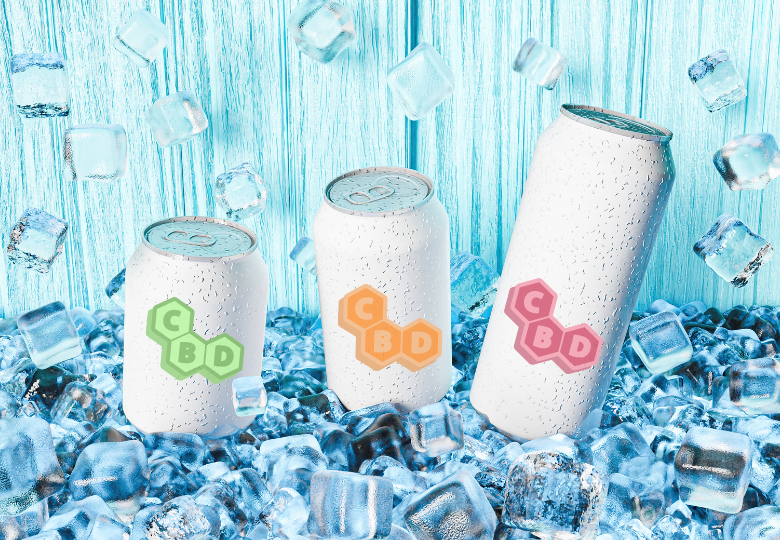



Beverages enriched with CBD (Cannabidiol) have experienced a remarkable surge in the European market and are presented as a refreshing option for all those looking to explore the benefits of this non-psychoactive cannabinoid. However, before embracing this trend, it is important to understand the associated risks and the reasons why these beverages may not be the most suitable choice. In this detailed analysis, we examine the safety concerns, regulatory issues, and more effective alternatives available on the market.
What exactly are CBD beverages?
CBD beverages form a product category that contains cannabidiol derived from cannabis plants in various liquid formulations. These products range from flavored waters to herbal teas, energy drinks, and carbonated soft drinks. The cannabidiol contained in these formulations typically comes from cannabis strains with high CBD and low THC content, preserving the therapeutic properties without the psychoactive effects.
The extraction of CBD for these beverages is usually carried out using methods such as supercritical CO2 extraction or with solvents, creating concentrates that are subsequently incorporated into the liquid formulations. Many manufacturers combine CBD with other natural compounds, including aromatic terpenes, which can enhance the sensory profile and properties of the final product.
Property profile and genetic characteristics of CBD
Cannabidiol exhibits a unique property profile that has captured the attention of researchers and collectors of cannabis genetics. CBD-rich strains are known for their characteristic terpene profiles, which include compounds such as myrcene, limonene, and pinene. These terpenes contribute not only to the characteristic aroma but also to the full spectrum of properties exhibited by this genetics.
Research has shown that CBD-dominant strains tend to express complex cannabinoid profiles in which CBD interacts synergistically with other minor cannabinoids such as CBG, CBN, and CBC. This phenomenon, known as the entourage effect, suggests that the complete genetic material can offer a broader spectrum of properties than isolated compounds.
As for their known properties, CBD-rich genetics are recognized for their relaxing and calming properties, without producing the psychoactive effects associated with THC. Studies have documented anti-inflammatory, anxiolytic, and neuroprotective properties in the molecular profile of these strains.
Potential risks and safety concerns
Despite the growing popularity of CBD beverages, there are numerous risk factors that consumers should carefully consider. One of the main concerns lies in potential interactions with medications. CBD can interact with the cytochrome P450 enzyme system in the liver, thereby affecting the metabolism of various prescription drugs.
Inconsistent product quality represents another significant risk. Many CBD beverages available on the market are not rigorously tested by independent third parties, which can lead to products with inaccurate CBD concentrations or, worse, contamination with heavy metals, pesticides, or solvent residues. These variations in quality make it extremely difficult for consumers to predict the actual dosage.
Additionally, individual reactions to CBD in liquid form can manifest unpredictably. Some users report side effects such as excessive drowsiness, changes in appetite, or gastrointestinal discomfort, particularly when combined with other ingredients contained in the beverages.
Regulatory issues and lack of standardization
The regulatory landscape for CBD beverages remains fragmented and problematic in many European jurisdictions. The absence of uniform regulatory frameworks has led to a market where standards for quality and safety vary significantly between different manufacturers and regions.
This lack of regulatory oversight leads to several critical issues: inaccurate labeling of CBD concentrations, missing warnings about interactions with medications, and the absence of standardized protocols for purity and potency testing. Many products on the market do not meet the basic food safety standards that one would expect from any other dietary supplement.
The inconsistency of dosage poses a particular challenge, as different batches of the same product can contain varying CBD concentrations, making it impossible to establish reliable and safe dosing regimens.
Better alternatives for CBD consumption
Fortunately, there are more effective and controlled methods for using CBD than beverages. Full-spectrum CBD oils represent the most versatile and best-controllable option, allowing precise dosing through sublingual administration or controlled addition to food.
CBD capsules offer another superior alternative, as they allow for exact and consistent dosing without the variability seen with beverages. These formulations are typically subject to stricter quality controls and offer better bioavailability than many commercial beverages.
For targeted topical applications, CBD products for external use such as creams and balms allow for targeted application without the systemic risks associated with oral consumption. These products are particularly useful for skincare and local applications.
Considerations for collectors and enthusiasts
For collectors of cannabis seeds with CBD-rich genetics, it is important to understand that commercial beverages rarely reflect the complexity and richness of the cannabinoid profile present in the original genetic material. Collector seeds of CBD strains preserve the complete genetic integrity, including the unique terpene profiles that are lost during industrial processing.
The study of this original genetics allows one to appreciate the aromatic and chemical diversity that distinguishes authentic strains, from intense citrus profiles to earthy and herbal notes that characterize different genetic lines. This deep understanding of the genetic material is fundamental for any serious collector.
In conclusion, while CBD beverages may appear to be a convenient and attractive option, the risks associated with them, including inconsistent quality, regulatory issues, and inaccurate dosing, suggest that conscious consumers should consider more controlled and effective alternatives. Choosing high-quality CBD products that are backed by rigorous testing and manufactured to pharmaceutical standards represents a safer and more effective way to explore the benefits of this fascinating cannabinoid.