


 English (English)
 Deutsch (German)
 Čeština (Czech)
 Italiano (Italian)
 Hrvatski (Croatian)
 Română (Romanian)
 български език (Bulgarian)
 Magyar (Hungarian)
 Español (Spanish)
 Français (French)
 Nederlands (Dutch)
 Polski (Polish)
 Slovenčina (Slovak)
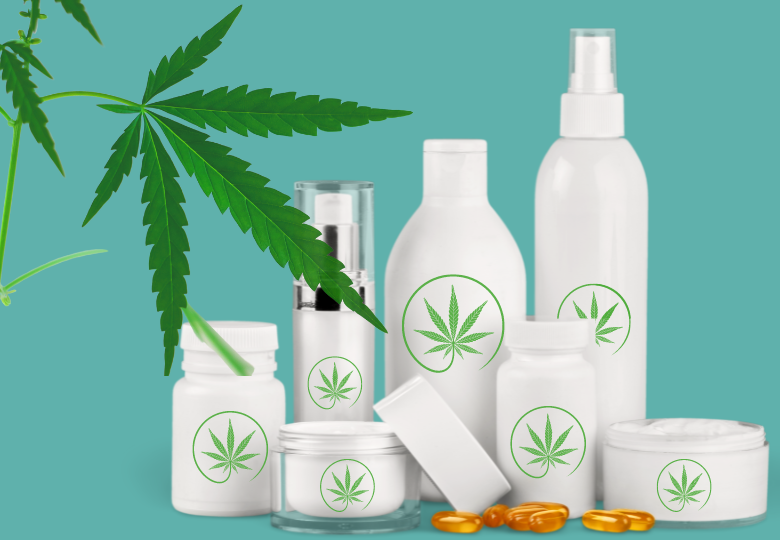


Hemp cosmetics are winning over more and more people thanks to their natural properties and benefits for the skin. However, many people wonder whether using these products can affect the results of drug tests. This concern is understandable, given that hemp-based cosmetic products contain cannabinoids and terpenes that could theoretically interfere with toxicology screenings.
As collectors and cannabis genetics enthusiasts, it is essential to understand the difference between the genetic material we collect and the industrial hemp-derived products used in cosmetics. Collector seeds represent the plant's genetic heritage, while cosmetics are made by processing varieties with an extremely low THC content.
Composition and Properties of Hemp Cosmetics
Hemp cosmetic products stand out for their rich, natural composition. The main active ingredient is CBD (cannabidiol), a non-psychoactive cannabinoid known for its soothing and anti-inflammatory properties. These products also contain:
- Aromatic terpenes that give the product its characteristic scent profile
- Essential fatty acids such as omega-3 and omega-6
- Vitamin E with antioxidant properties
- Minerals such as magnesium, iron and zinc
- Amino acids that support cell regeneration
Hemp cosmetics offer numerous benefits for skin care: deep hydration, reduced irritation, protection from free radicals and support for tissue regeneration. These benefits stem from the synergy between the various compounds present in the industrial hemp phytocomplex.
Types and Methods of Drug Testing
To understand the possible impact of hemp cosmetics on drug tests, it's essential to know the various screening methods used:
Urine tests: The most common method, detecting metabolites of psychoactive substances in urine. Their detection window ranges from a few days to several weeks, depending on the substance and frequency of use.
Saliva tests: Used to detect recent substance use, with a shorter detection window than urine tests. They are particularly sensitive to external contamination.
Hair tests: These can detect substance use over a longer period, up to 90 days. Metabolites become incorporated into the hair structure as it grows.
Blood tests: Detect the direct presence of active substances in the blood, indicating very recent or ongoing use.
Risk of Interference: Scientific Analysis
The question of whether hemp cosmetics interfere with drug tests requires thorough scientific analysis. The determining factors include:
THC concentration: Legal hemp cosmetics contain THC concentrations below 0.2% or 0.3%, depending on local legislation. These amounts are considered negligible for systemic absorption.
Skin absorption: The skin acts as a natural barrier that significantly limits the absorption of cannabinoids. Studies show that transdermal absorption of THC from cosmetic products is extremely limited.
Method of use: Topical application differs substantially from ingestion or inhalation. Cannabinoids applied to the skin do not easily reach the bloodstream in detectable concentrations.
Specific Risk Factors
Although the risk is generally low, certain factors could increase the likelihood of interference:
- Excessive use of products with higher concentrations of cannabinoids
- Application on damaged skin or skin with a compromised barrier
- Products of uncertain quality that may contain undeclared THC concentrations
- Cross-contamination during production
Prevention and Risk-Reduction Strategies
To minimize any potential risk, it is advisable to adopt a few preventive strategies:
Careful product selection: Choose hemp cosmetics from reliable manufacturers who provide complete certificates of analysis. Check that products comply with legal THC limits and have been tested by independent laboratories.
Reading labels: Carefully check the composition and origin of the ingredients. Favor products that use certified industrial hemp extracts.
Moderate use: Use products according to the manufacturer's instructions, avoiding excessive or overly frequent application.
Professional consultation: If in doubt, or if you are regularly subject to drug testing for professional reasons, consult a dermatologist or specialist doctor.
Regulatory Context and Legal Considerations
In the European Union, collectible cannabis seeds are legal thanks to the principle of free movement of goods. These seeds represent genetic material of interest to collectors and researchers, and are completely different from cosmetic products derived from industrial hemp.
Hemp cosmetics are regulated by European cosmetic product regulations and must comply with strict safety and composition standards. It is important to distinguish between:
- Collector seeds: Genetic material for enthusiasts and researchers
- Hemp cosmetics: Skin care products derived from industrial hemp
- Food supplements: Products based on hemp extracts for internal use
Conclusions and Final Recommendations
Using hemp cosmetics carries a very low risk of interfering with drug tests when the products comply with regulations and are used as directed. Scientific research supports this conclusion, showing that transdermal absorption of cannabinoids from cosmetic products is generally insufficient to cause positive results in screening tests.
Nevertheless, caution remains essential, especially for those subject to regular testing. Choosing certified products, moderate use, and consulting qualified professionals are the best strategies for enjoying the benefits of hemp cosmetics while minimizing any potential risk.
For cannabis genetics enthusiasts visiting Cannapio, it is important to understand that the passion for seed collecting and the interest in products derived from industrial hemp are separate fields, each with its own specific characteristics and considerations.