


 English (English)
 Deutsch (German)
 Čeština (Czech)
 Italiano (Italian)
 Hrvatski (Croatian)
 Română (Romanian)
 български език (Bulgarian)
 Magyar (Hungarian)
 Español (Spanish)
 Français (French)
 Nederlands (Dutch)
 Polski (Polish)
 Slovenčina (Slovak)
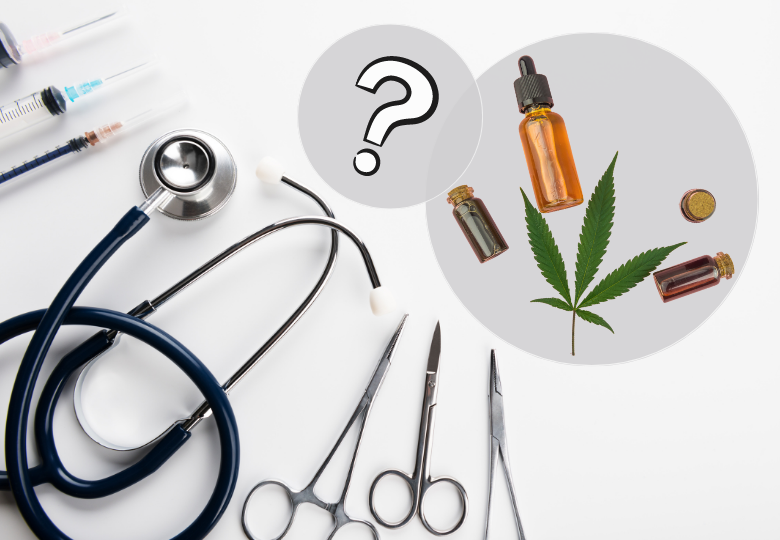



The use of CBD in a medical context has become increasingly popular, and many patients wonder whether it is safe to use CBD during the perioperative period. This question is becoming more and more relevant as research into the therapeutic properties of cannabidiol continues to develop. In this article, we will examine the safety aspects, potential benefits, and necessary precautions when considering CBD use before and after surgical procedures.
Cannabinoid compounds, including CBD, exhibit complex interaction profiles with the body's endocannabinoid system, which can influence various physiological processes relevant in a surgical context. It is essential to understand both the opportunities and the risks associated with this complementary approach.
Potential benefits of CBD during the surgical period
Genetics rich in CBD are known for their distinctive properties in managing discomfort and inflammation. These characteristics make CBD particularly interesting for patients facing surgical procedures. The terpene profile of high-CBD varieties often includes compounds such as myrcene and linalool, known for their calming effects.
The main potential advantages include:
- Postoperative discomfort management: CBD-profile genetics are recognized for their properties in modulating pain perception through interaction with CB1 and CB2 receptors
- Anti-inflammatory properties: Cannabinoid compounds demonstrate the ability to reduce the inflammatory response, which can be beneficial in the healing process
- Natural anxiolytic effects: CBD-rich strains are characterized by terpene profiles that can help reduce preoperative anxiety
- Recovery support: Certain studies suggest that CBD may facilitate tissue regeneration processes
- Antiemetic properties: High-CBD genetics can be helpful in managing postoperative nausea
The complex chemical composition of CBD strains includes not only cannabinoids but also synergistic terpenes that contribute to what researchers call the "entourage effect." This phenomenon can amplify the potential therapeutic benefits of the genetic material.
Risks and precautions in perioperative CBD use
Despite the therapeutic potential, there are important safety considerations that must be evaluated when considering CBD use in a surgical context. The pharmacological profile of cannabidiol can present complex interactions with standard medical protocols.
The main concerns include:
- Drug interactions: CBD can influence the hepatic metabolism of certain medications by inhibiting CYP450 enzymes, potentially affecting the efficacy of anesthetics and other pharmaceutical preparations
- Effects on coagulation: Certain components in cannabis genetics can influence platelet function, representing a potential risk in a surgical context
- Variability in individual response: Each patient may exhibit different sensitivities to cannabinoid compounds, making it difficult to predict effects
- Product standardization: The quality and consistency of CBD preparations can vary significantly, affecting the predictability of effects
CBD metabolism involves the same enzymatic pathways used to process many conventional medications, creating the potential for metabolic competition that can alter plasma concentrations of essential medications during the perioperative period.
Current research and scientific perspectives
The scientific community is actively investigating the therapeutic applications of the cannabinoid in various medical contexts, including surgery. Recent studies offer valuable insights into the safety and effectiveness of CBD use during the perioperative period.
A study published in the Journal of Pain Medicine in 2021 examined patients who used CBD preparations before minor surgical procedures. The results indicated a significant reduction in preoperative anxiety levels and an improvement in postoperative comfort scores.
Research on the endocannabinoid system has revealed complex mechanisms through which CBD can modulate the immune response and inflammatory processes. These findings suggest that genetics with a rich CBD profile may offer benefits in accelerating postsurgical recovery.
Another important aspect of current research focuses on the synergistic terpene profiles found in high-CBD cannabis varieties. Terpenes such as beta-caryophyllene demonstrate independent anti-inflammatory properties, which can complement the effects of cannabidiol.
Safety protocols and practical recommendations
For those considering CBD use in a surgical context, adopting a comprehensive safety protocol is essential. This approach must include detailed medical consultations and careful monitoring.
Key recommendations include:
- Mandatory medical consultation: Discussing the intention to use CBD with the medical team, including full disclosure of all supplements and preparations used
- Timing of administration: Establishing an administration schedule that minimizes the risk of interactions with the anesthetic protocol
- Selecting quality products: Choosing CBD preparations from reputable manufacturers that provide laboratory analyses for purity and potency
- Monitoring effects: Carefully tracking the body's response and reporting any unexpected effects to the medical team
- Documenting use: Keeping a detailed record of doses and observed effects
It is important to understand that the quality of the genetics used for CBD extraction can significantly influence the safety profile of the final product. Varieties grown under controlled conditions and tested for contaminants provide a safer basis for therapeutic preparations.
A collector's perspective on CBD genetics
From the perspective of collectors of cannabis genetic material, CBD-profile varieties present distinctive characteristics that make them particularly valuable for study and conservation. These genetics represent the result of careful selection for specific cannabinoid properties.
High-CBD strains are characterized by:
- Balanced cannabinoid ratios: Many CBD varieties present CBD:THC ratios that optimize therapeutic properties while minimizing psychoactive effects
- Complex terpene profiles: These genetics often develop aromatic bouquets rich in terpenes with complementary properties
- Genetic stability: Higher-quality CBD varieties maintain consistency in cannabinoid expression across successive generations
- Cultivation adaptability: Many CBD strains demonstrate resilience and versatility under diverse growing conditions
Collectors value these genetics not only for their theoretical therapeutic potential, but also for the diversity and complexity of the chemical profiles they represent in preserving the genetic heritage of the cannabis plant.
In conclusion, the use of CBD in a surgical context presents both opportunities and challenges. While ongoing research suggests potential benefits in managing discomfort and facilitating recovery, a cautious and informed approach is essential. Consultation with medical professionals remains the most critical component of any decision to incorporate CBD into a perioperative care plan. For genetics collectors, these varieties represent fascinating examples of the diversity and therapeutic potential of the cannabis plant, demonstrating the importance of preserving and studying these valuable genetic resources.