


 English (English)
 Deutsch (German)
 Čeština (Czech)
 Italiano (Italian)
 Hrvatski (Croatian)
 Română (Romanian)
 български език (Bulgarian)
 Magyar (Hungarian)
 Español (Spanish)
 Français (French)
 Nederlands (Dutch)
 Polski (Polish)
 Slovenčina (Slovak)
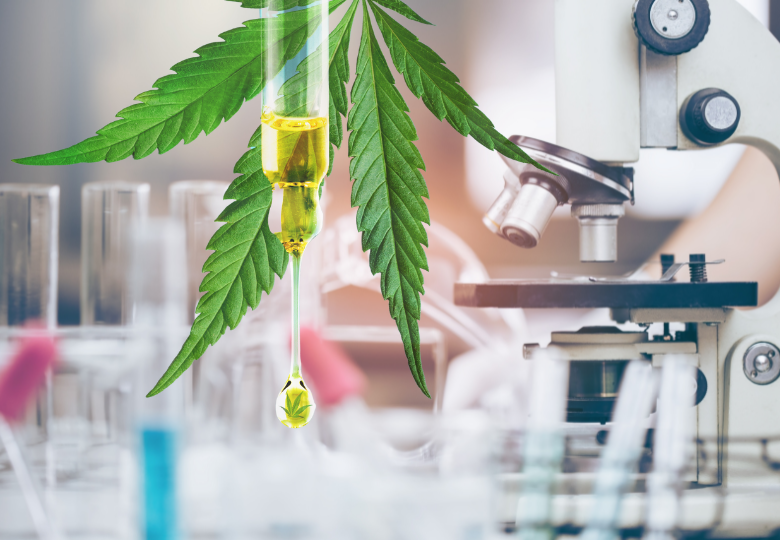



Introduction to the world of cannabidiol: natural versus synthetic
In recent years, cannabidiol (CBD) has become one of the most studied and discussed natural substances in the field of cannabis genetics. As scientific research reveals the remarkable potential of this cannabinoid, the pharmaceutical and technological industries are investing heavily in the development of synthetic alternatives. This evolution raises essential questions about the differences between natural genetic material and that created in the laboratory, as well as their implications for the quality and safety of products for collectors.
CBD represents one of over 100 cannabinoids identified in cannabis, being appreciated for its non-psychoactive profile and for the diversity of genes it influences. Unlike THC, CBD does not produce psychoactive effects and is considered a safe component for studying the genetic composition of cannabis plants.
Characteristics of natural CBD genetic material
The genetic material containing natural CBD comes directly from collectible seeds and organically cultivated cannabis plants. This type of genetic material contains a complex range of compounds known as phytocannabinoids, which develop naturally during the plant's biological processes.
The natural genetic profile includes numerous cannabinoids such as:
- CBD (cannabidiol) - the main non-psychoactive component
- CBG (cannabigerol) - the precursor of other cannabinoids
- CBC (cannabichromene) - known for its unique properties
- CBDA (cannabidiolic acid) - the acidic form of CBD
- Trace amounts of THC in legal concentrations
A particularly important aspect of natural genetic material is the presence of terpenes - aromatic compounds that contribute to the distinctive olfactory profile of each genetic variant. These terpenes not only provide characteristic aromas but can also influence how cannabinoids interact with each other, a phenomenon known as the entourage effect.
Advantages of natural genetic diversity
Collectible seeds with natural genetics offer remarkable biodiversity in terms of cannabinoid and terpene profiles. This diversity allows collectors to study different genetic combinations and better understand the complex genetic heritage of cannabis species. Natural genetic material maintains the full range of secondary compounds that have developed naturally in plants over thousands of years of evolution.
Synthetic CBD: modern technology in the service of research
On the other hand, synthetic CBD is produced in specialized laboratories through various chemical and biological processes. This type of cannabidiol can be obtained from unexpected sources such as orange peel, genetically modified yeasts, or specialized bacteria. The synthesis process allows the production of pure CBD molecules, without the presence of other cannabinoids or plant compounds.
The main characteristics of synthetic CBD include:
- High molecular purity - CBD concentrations of 99% or more
- Consistency - every batch has the exact same composition
- Absence of natural terpenes - does not contain complex aromatic profiles
- Precise dosage control - exact and predictable concentrations
Synthesis processes and their implications
Production methods for synthetic CBD range from traditional chemical synthesis to advanced biotechnological techniques using genetically modified organisms. These processes allow large-scale production and strict quality control but eliminate the natural complexity of complete genetic profiles found in authentic cannabis seeds.
An important aspect to mention is that research on the long-term effects of synthetic CBD is still in its early stages, unlike the extensive knowledge about the properties of natural genetic material, studied for centuries.
Fundamental differences in chemical structure and bioavailability
From a molecular point of view, the differences between natural and synthetic CBD are subtle but significant. Natural CBD typically contains 21 carbon atoms in its structure, developed through the plant's natural biological processes. In contrast, synthetic variants may contain between 22-26 carbon atoms, being optimized for certain specific properties.
A crucial difference lies in receptor affinity. Synthetic genetic materials are often designed to have a stronger binding to cannabinoid receptors, which may result in more intense or more persistent effects. However, this approach distances the experience from that offered by natural genetics, which tends to be more balanced and gentler.
The entourage effect: nature's indisputable advantage
One of the most important arguments in favor of natural genetic material is the entourage effect - the theory that cannabinoids, terpenes and other natural compounds work synergistically to produce more complete and balanced effects. This phenomenon cannot be reproduced in pure synthetic CBD, which lacks the complex chemical diversity found in natural cannabis seeds.
Preliminary research suggests that consumers consistently prefer the experience offered by natural products over synthetic ones, likely due to this complex synergy of bioactive compounds.
Safety aspects and recommendations for collectors
When it comes to safety, the differences are substantial. Natural genetic material from quality cannabis seeds has been used and studied by humans for thousands of years, providing a solid foundation of knowledge about its relative safety.
In contrast, synthetic CBD presents several unknowns, especially when not produced in certified pharmaceutical laboratories. Synthetic products of dubious origin may contain:
- Dangerous chemical impurities from the synthesis process
- Toxic residual solvents
- Unwanted byproducts of chemical reactions
- Imprecise concentrations of active substances
For collectors of cannabis seeds, the clear recommendation is to opt for natural genetic materials, sourced from reliable and laboratory-tested origins. These offer not only superior safety but also the genetic authenticity needed for a valuable collection.
Conclusion: the wise choice for collectors
In the world of cannabis seed collecting, the difference between natural and synthetic goes beyond simple personal preference. Natural genetic material offers complexity, authenticity, and a direct connection to the genetic heritage naturally developed over millennia. For serious collectors who appreciate genetic diversity and authenticity, seeds with natural CBD profiles remain the reference choice, offering a complete and safe experience for the study of these fascinating genetics.