


 English (English)
 Deutsch (German)
 Čeština (Czech)
 Italiano (Italian)
 Hrvatski (Croatian)
 Română (Romanian)
 български език (Bulgarian)
 Magyar (Hungarian)
 Español (Spanish)
 Français (French)
 Nederlands (Dutch)
 Polski (Polish)
 Slovenčina (Slovak)
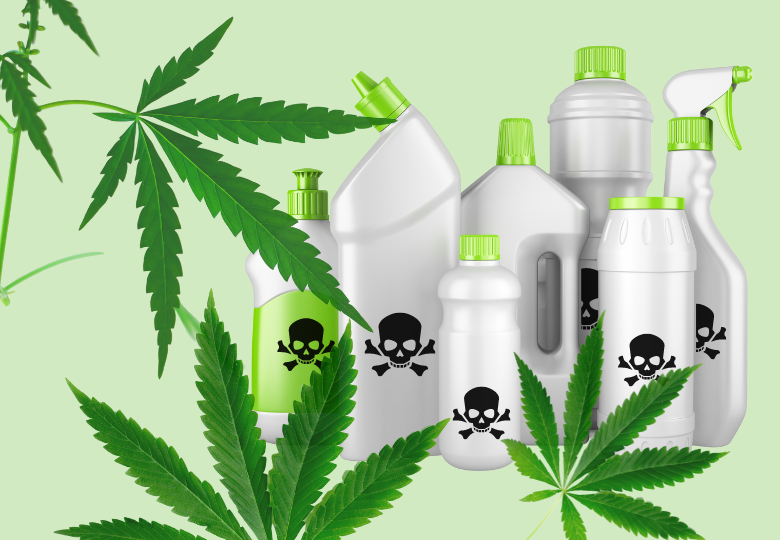



The growing interest in cannabis collector seeds comes hand in hand with legitimate questions about the safety and presence of pesticides in these precious genetics. This issue raises essential questions: do pesticides represent a hidden threat to the integrity of the genetic material, or can they be considered safe tools when used correctly? Let's explore together the risks associated with pesticides and discover environmentally friendly alternatives for preserving the quality of cannabis genetics.
Understanding pesticides: definition and use in botany
Pesticides are a family of chemical substances designed to protect plants against pests, diseases and pathogens. In applied botany, these compounds play a crucial role in minimizing crop losses and guaranteeing the quality of specimens. Their action specifically targets parasites and pathogenic micro-organisms, thereby helping to optimize plant development and preserve their unique genetic characteristics.
These substances can be applied in various forms: foliar sprays, powders or granules. The effectiveness of these treatments largely depends on their appropriate use and strict regulation, in order to minimize the negative impact on the surrounding ecosystem and preserve the purity of the genetic material.
Sources and types of pesticides in cannabis genetics
The presence of pesticides in cannabis collector seeds can have several distinct origins. Understanding these sources makes it possible to assess the risk profiles associated with each type of treatment.
Synthetic chemical pesticides
This category includes synthetic compounds specifically developed to eliminate pests and plant diseases. It includes synthetic insecticides, fungicides and herbicides, characterized by their targeted action and high effectiveness.
Naturally occurring pesticides
These substances come from natural sources such as plants, minerals or micro-organisms. A notable example is pyrethrin extracted from chrysanthemum flowers, recognized for its natural insecticidal properties and superior biodegradability.
Environmental contamination
Some pesticide residues can end up on cannabis genetics through cross-contamination from the environment, particularly from adjacent crops treated with chemical substances.
Unauthorized use
In some cases, unapproved or banned pesticides can be detected, resulting from inappropriate or illegal use of these substances.
It is essential to carefully monitor the origin and quality of treatments applied to cannabis genetics, strictly complying with safety standards in order to minimize the risks to human health and the environment.
Assessing the potential risks associated with pesticides
Risks to user health
Pesticides can leave detectable residues on cannabis genetics, which may transfer to derived products. This situation can represent a risk to human health, particularly when pesticides have high toxicity or exceed established safety thresholds.
Long-term health consequences
Repeated exposure to pesticides can have harmful effects on human health. Scientific studies have established correlations between chronic pesticide exposure and various health problems, including immune system dysfunctions, neurological disorders and even certain cancers.
Environmental impact
Pesticides used can migrate into soil and water resources, thereby threatening natural ecosystems and biodiversity. These chemical substances can negatively affect soil organisms, including beneficial micro-organisms and wildlife, while contaminating surface and groundwater.
Biological methods for protecting cannabis genetics
There are several eco-friendly alternatives for protecting cannabis genetics against pests, making it possible to significantly reduce the use of conventional pesticides.
Integrated biological control
This approach involves using the natural enemies of pests, such as predatory beetles, beneficial mites or ladybugs, which feed on parasites and help keep their population below the damage threshold.
Physical barriers
Installing physical protections such as protective netting or covers prevents pests from accessing the plants while preserving optimal growing conditions.
Natural preparations
The use of natural formulations based on vegetable oils, biodegradable soaps or plant extracts provides effective protection against pests while respecting ecological balance.
Organic fertilization
The use of natural organic amendments such as compost or composted manure promotes healthy plant development and strengthens their natural resistance to external stresses.
Towards a balanced approach to protecting genetics
The question of pesticide use on cannabis genetics remains a complex topic that requires a nuanced and responsible approach. The key lies in adopting practices that guarantee the safety and quality of the genetic material while minimizing environmental and health risks.
When the use of pesticides proves necessary, it is crucial to select approved products and strictly adhere to the recommended dosages and application methods. At the same time, incorporating alternative biological methods makes it possible to reduce dependence on chemical treatments. Establishing strict regulations, regular checks and residue monitoring is an essential prerequisite for protecting consumers and preserving the integrity of collector genetics.