


 English (English)
 Deutsch (German)
 Čeština (Czech)
 Italiano (Italian)
 Hrvatski (Croatian)
 Română (Romanian)
 български език (Bulgarian)
 Magyar (Hungarian)
 Español (Spanish)
 Français (French)
 Nederlands (Dutch)
 Polski (Polish)
 Slovenčina (Slovak)
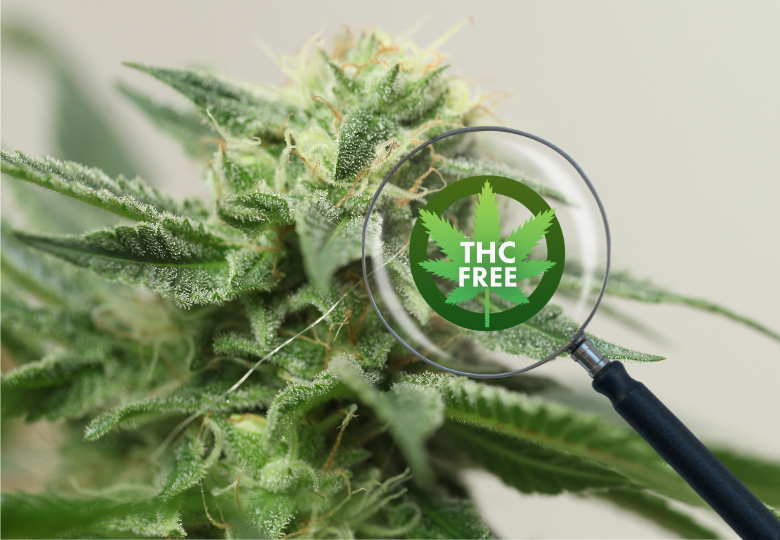



Hemp Without THC: The Fascinating World of CBD Genetics
In the world of cannabis seed collectors, varieties with reduced THC content are gaining increasing recognition. These special genetics represent a fascinating category of genetic material, characterized by unique chemical profiles dominated by cannabidiol (CBD) and other non-psychoactive cannabinoids. For botany enthusiasts and seed collectors, these varieties offer the opportunity to study complex aroma profiles and distinctive terpene compositions without any notable presence of tetrahydrocannabinol (THC).
The genetic material of CBD hemp stands out for its remarkable chemical diversity. These varieties were developed through careful selection to maximize CBD content, resulting in genetics with CBD:THC ratios of 20:1 or even higher. From a collector's perspective, these seeds represent a valuable collection of genetic diversity, with each variety having its own distinctive chemical fingerprint.
7 Remarkable Traits of CBD Genetics
1. Sophisticated Terpene Profiles and Complex Aromas
CBD genetics are characterized by exceptionally rich terpene profiles. These varieties develop complex aromas thanks to varying concentrations of terpenes such as myrcene, limonene, pinene, and linalool. Collectors value these seeds for their aromatic diversity - from citrus and floral notes to earthy and woody nuances. Each genetic has a unique aromatic signature, which makes collecting these seeds a fascinating olfactory experience.
2. Relaxing Properties Inherent to the Genetics
CBD varieties are known in the botanical world for their relaxing properties inherent to the genetics. This trait does not refer to effects on users, but to the chemical profile of the genetics itself. The high CBD concentrations, combined with terpenes such as myrcene and linalool, give these varieties a chemical composition associated with calming properties. Studying these genetics allows collectors to understand how specific combinations of cannabinoids and terpenes give rise to different chemical profiles.
3. Genetic Stability and Predictability
A remarkable trait of CBD genetics is their superior genetic stability. These varieties were developed through rigorous breeding programs, resulting in seeds that produce plants with consistent chemical profiles. For collectors, this means that every seed of a given variety develops similar traits in terms of cannabinoid content and terpene profiles.
4. Genetic Diversity and Breeding Potential
The collection of CBD seeds offers impressive genetic diversity for anyone interested in studying cannabis botany. There are indica-dominant varieties with earthy terpene profiles, sativa varieties with pronounced citrus aromas, and hybrids that combine traits from both genetic families. This diversity makes collecting these seeds a valuable educational activity for understanding the genetic complexity of the cannabis species.
5. Low THC Content and Legal Compliance
One of the defining traits of these genetics is their extremely low THC content, usually below 0.3%. This feature makes these seeds of particular interest to collectors who want to study cannabis genetics without worrying about psychoactive compounds. The chemical profile of these varieties focuses on CBD and other non-psychoactive cannabinoids, offering a unique insight into the chemical diversity of cannabis.
6. Adaptability and Resilience
CBD genetics often show improved resilience to environmental stress factors. This trait was selected during the breeding process, resulting in varieties that can thrive under various conditions. For collectors interested in agronomic aspects, these genetics offer excellent examples of botanical adaptability and natural resistance to pests and diseases.
7. Educational and Research Value
For botany enthusiasts, CBD seeds represent outstanding genetic study material. These varieties allow for the study of cannabinoid biosynthesis, understanding the role of terpenes in aroma development, and exploring the complex relationships between genotype and phenotype in cannabis. Collecting these seeds contributes to the preservation of genetic diversity and understanding of the botanical heritage of this fascinating species.
CBD Seed Varieties for Collectors
In the world of seed collecting, CBD varieties come in many forms, each with its own unique traits. Autoflowering CBD seeds are valued for their compact genetics and predictable development cycle, while photoperiod varieties offer potential for a longer-term study of plant development.
Indica CBD varieties are characterized by terpene profiles rich in myrcene and pinene, offering complex earthy and woody aromas. They are valuable in collections for studying traditional cannabis genetics with reduced THC content. On the other hand, sativa CBD varieties have terpene profiles dominated by limonene and terpinolene, producing distinctive citrus and floral aromas.
Considerations for CBD Seed Collectors
When building a collection of CBD seeds, it is important to consider the genetic diversity and origin of the genetic material. European varieties have developed differently from American ones, offering unique chemical profiles adapted to the local climate and cultivation traditions. Storing these seeds requires suitable temperature and humidity conditions to preserve genetic viability over the long term.
Experienced collectors recommend detailed documentation of each variety in the collection, including information on genetic origin, cannabinoid profiles, and terpene properties. This practice not only enhances the educational value of the collection, but also helps preserve knowledge of these special genetics for future generations of cannabis botany enthusiasts.