


 English (English)
 Deutsch (German)
 Čeština (Czech)
 Italiano (Italian)
 Hrvatski (Croatian)
 Română (Romanian)
 български език (Bulgarian)
 Magyar (Hungarian)
 Español (Spanish)
 Français (French)
 Nederlands (Dutch)
 Polski (Polish)
 Slovenčina (Slovak)
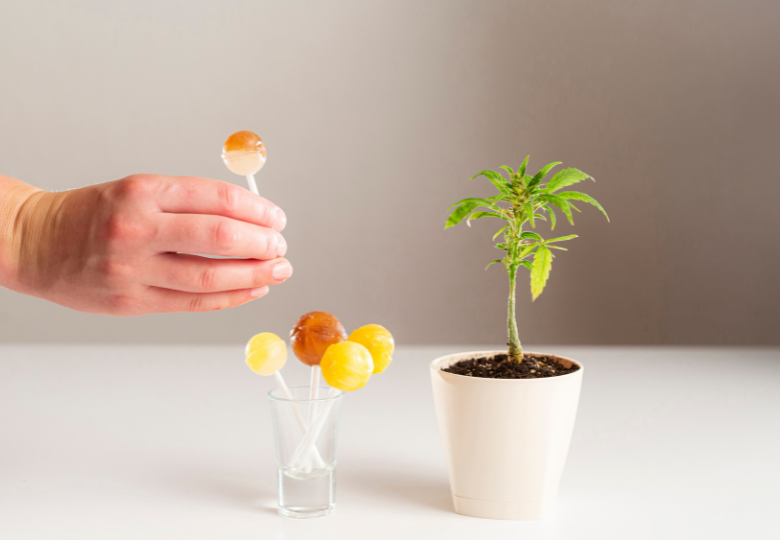



CBD candies have gained popularity as a seemingly appealing way to consume cannabidiol, but there are compelling reasons to reconsider buying them. These sweets, which combine refined sugar with CBD extracts, present multiple drawbacks that can compromise both the effectiveness of treatment and consumer safety.
In today's market, the lack of specific regulation for these products has created a worrying landscape where quality and purity vary significantly between manufacturers. This situation creates uncertainty about what we are actually consuming when we choose this form of cannabidiol.
Quality and Regulatory Problems with CBD Candies
The main obstacle facing CBD candies is the absence of uniform standards in their manufacturing. Unlike other pharmaceutical products, these sweets are not subject to rigorous controls that guarantee their exact composition.
Lack of Reliable Certifications
Many manufacturers of CBD candies operate without the necessary certifications that would vouch for the quality of their products. This lack of official oversight means consumers have no guarantees regarding the purity, concentration, or safety of what they are purchasing.
Uncertain Composition and Misleading Labeling
Independent analyses have revealed that numerous CBD candies contain amounts of cannabidiol that differ from those stated on their labels. Some products even show traces of contaminants such as pesticide residues or heavy metals, elements that can be harmful to health in the long term.
The presence of artificial additives, colorings, and preservatives in these sweets adds another layer of concern, especially for people with food sensitivities or those seeking more natural options for incorporating CBD into their routine.
Limitations in Absorption and Effectiveness
From a pharmacological perspective, CBD candies have serious limitations in terms of bioavailability. The absorption process through the digestive system is significantly less efficient compared to other routes of administration.
Hepatic Metabolism and Loss of Potency
When CBD is consumed in candy form, it must pass through the entire digestive system before reaching the bloodstream. During this process, known as hepatic first-pass metabolism, a considerable portion of the cannabidiol breaks down in the liver, dramatically reducing the amount that ultimately reaches the body's cannabinoid receptors.
This metabolic degradation can result in a loss of 70-90% of the original potency, meaning the consumer would need much higher doses to achieve effects comparable to those of other administration methods.
Individual Variability in Absorption
The effectiveness of CBD candies is also affected by individual factors such as personal metabolism, stomach contents at the time of consumption, and the general health of the digestive system. These variables make it extremely difficult to predict or control the effects of the product.
Superior Alternatives for Consuming CBD
Fortunately, there are multiple options that overcome the limitations of CBD candies, offering greater control over dosing and better bioavailability.
CBD Oils: The Most Versatile Option
CBD oils represent one of the most effective ways to consume cannabidiol. Their sublingual administration allows for direct absorption through the oral mucosa, avoiding digestive degradation and providing faster, more predictable effects.
This form allows for precise dosage control, since each drop contains a specific amount of CBD that can be adjusted according to individual needs. In addition, quality oils are usually subjected to more rigorous laboratory testing, guaranteeing purity and potency.
CBD Capsules: Precision and Convenience
CBD capsules offer the convenience of a pre-measured dose without the drawbacks of candies. Although they also pass through the digestive system, they usually contain higher concentrations of cannabidiol and are formulated with excipients that improve absorption.
This form is ideal for people who prefer a consistent dosing regimen and want to avoid the characteristic taste of CBD that some find unpleasant.
Topical Applications: Localized Effects
For specific needs related to muscle or skin discomfort, CBD creams and balms provide an effective alternative that acts directly on the area of application without entering the general circulatory system.
These topical products allow the effects of CBD to be concentrated where they are most needed, completely avoiding digestive absorption issues and systemic interactions.
Safety Considerations and Adverse Effects
Although CBD is generally considered safe, candies present additional risks related to their uncertain formulation and composition.
Drug Interactions
CBD can affect the metabolism of certain medications by influencing the liver enzymes responsible for processing them. This interaction is particularly concerning when dosing is imprecise, as frequently happens with CBD candies.
It is essential to consult a healthcare professional before incorporating any CBD product, especially when taking prescription medications for chronic conditions.
Effects of Sugar Content
CBD candies contain significant amounts of refined sugar, which can be problematic for people with diabetes, insulin resistance, or those simply trying to maintain a healthy diet. This sugar content can counteract some of the potential benefits of CBD.
In conclusion, although CBD candies may seem like an appealing option due to their ease of consumption and pleasant taste, the limitations in quality, effectiveness, and safety make them a suboptimal choice. Available alternatives offer greater reliability, better dosage control, and superior bioavailability, making an investment in higher-quality CBD products more beneficial in the long run.