


 English (English)
 Deutsch (German)
 Čeština (Czech)
 Italiano (Italian)
 Hrvatski (Croatian)
 Română (Romanian)
 български език (Bulgarian)
 Magyar (Hungarian)
 Español (Spanish)
 Français (French)
 Nederlands (Dutch)
 Polski (Polish)
 Slovenčina (Slovak)
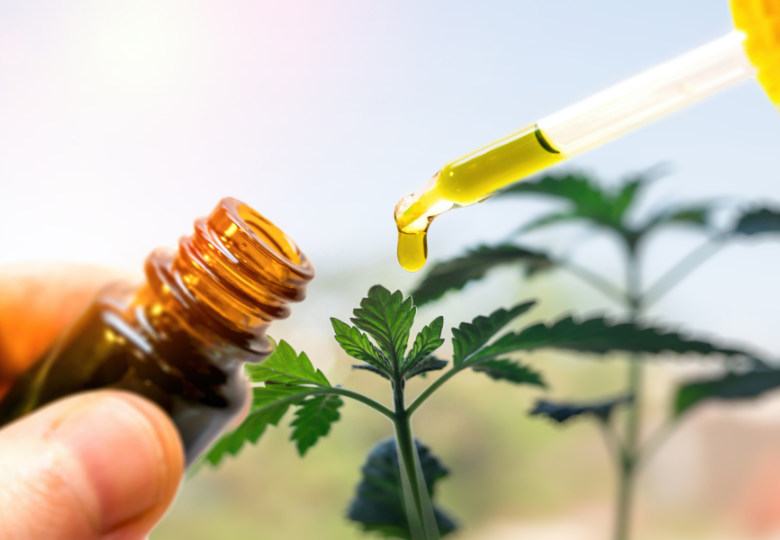



Cannabinoids: Not Just a Cannabis Trait
When talking about collectible cannabis, it's impossible not to mention cannabinoids. These fascinating chemical molecules are one of the most distinctive features of cannabis genetic material, with over 100 different cannabinoids identified in collectible varieties. However, scientific research has revealed a surprising discovery: cannabis isn't the only plant in nature that produces compounds interacting with the human endocannabinoid system.
This complex biological system, present in all mammals, plays a crucial role in regulating numerous bodily functions, from the central nervous system to the immune system. Cannabinoids bind to the CB1 and CB2 receptors of this system, creating aromatic profiles and unique genetic properties that make every collectible variety special and sought-after.
Classifying Cannabinoids: A Scientific Overview
From a chemical standpoint, cannabinoids represent a diverse family of compounds that can affect our bodies through specific molecular mechanisms. Scientific classification divides these compounds into three main categories based on their origin:
- Endocannabinoids - naturally produced by the human body
- Phytocannabinoids - synthesized by plants through natural metabolic processes
- Synthetic cannabinoids - artificially created in laboratories for research purposes
It's important to point out that the cannabinoids specific to cannabis, such as THC and CBD, are unique to the genetic material of Cannabis sativa and aren't found in other plant species. However, there are numerous plants that produce cannabimimetics - compounds that mimic the action of cannabinoids by interacting with the same receptors of the endocannabinoid system.
Seven Remarkable Plants: Natural Sources of Phytocannabinoids
The diversity of the plant kingdom offers us fascinating examples of plants that, while not belonging to the Cannabaceae family, produce compounds with properties similar to cannabinoids. These plants represent an emerging field of study in phytocannabinoid research and offer interesting insights for understanding the evolution of these molecular systems.
Echinacea: The Immune-Stimulating Daisy
Echinacea, recognizable by its distinctive pink-purple flowers, has been used for traditional medicinal purposes for millennia. This plant contains natural alkylamides that act as cannabimimetics, specifically interacting with CB1 receptors. Echinacea's chemical profile includes compounds that could contribute to overall wellbeing, making it one of the most studied plants in modern phytotherapy.
Cacao: The Superfood Rich in Anandamide
Raw cacao is a true treasure trove of bioactive compounds. It naturally contains anandamide, an endocannabinoid that our brain produces on its own. This compound, also known as the "bliss molecule," influences mood, memory and sensory perception. To get the most benefit from cacao's phytocannabinoids, it's essential to choose raw, unprocessed varieties, since industrial processing can degrade these delicate compounds.
Black Pepper: Terpenes and Beta-Caryophyllene
Common black pepper shares surprising chemical similarities with cannabis genetic material. It contains high concentrations of beta-caryophyllene, a terpene that acts as an agonist of CB2 receptors. This terpene is also found in many collectible cannabis varieties, contributing to their distinctive aromatic profiles and genetic properties. Beta-caryophyllene is known for its natural anti-inflammatory properties.
Black Truffle: Anandamide Underground
These prized underground fungi contain the same anandamide compounds found in cacao and cannabis. The anandamide in black truffles may play a role in their appeal to the animals that seek them out, offering a fascinating example of how natural cannabinoids influence ecological interactions.
Helichrysum: The Antimicrobial Gold
Helichrysum essential oil comes from one of the plants with the most potent antimicrobial properties known. It contains cannabinoid-like folates that interact with the endocannabinoid system, along with a rich profile of flavonoids and terpenes. This unique combination of compounds makes Helichrysum a particularly interesting subject of study in phytocannabinoid research.
Hops: The Botanical Cousin of Cannabis
Hops and cannabis share a close botanical kinship, both belonging to the Cannabaceae family, which includes over 170 different species. Both plants develop glandular trichomes that produce aromatic terpenes. Although hops don't contain traditional cannabinoids, they produce beta-caryophyllene and other terpenes common in collectible cannabis varieties, such as myrcene and humulene, contributing to complex aromatic profiles.
Implications for Collectors and Research
The discovery of these phytocannabinoids in various plant species opens up new perspectives for understanding the evolution and distribution of these molecular systems in nature. For collectors of collectible seeds, this knowledge enriches understanding of cannabis's unique genetic heritage and the importance of preserving genetic diversity.
Comparative study of these natural compounds contributes to the scientific understanding of the mechanisms through which different plants have evolved similar chemical strategies. This field of research continues to evolve, offering new insights into the complex chemical communication systems that characterize the plant kingdom.