


 English (English)
 Deutsch (German)
 Čeština (Czech)
 Italiano (Italian)
 Hrvatski (Croatian)
 Română (Romanian)
 български език (Bulgarian)
 Magyar (Hungarian)
 Español (Spanish)
 Français (French)
 Nederlands (Dutch)
 Polski (Polish)
 Slovenčina (Slovak)
Legal status of cannabis in the European Union (as of 25 September 2026)
- The EU has no single cannabis law: it sets a common framework for hemp farming, trade and drug trafficking, while recreational use is regulated by each Member State.
- CBD lawfully produced in one Member State may in principle be sold in another; a national ban is allowed only if it is suitable to protect public health and does not go beyond what is necessary. The Court held that such CBD is not a narcotic drug under the 1961 Single Convention (Articles 34 and 36 TFEU, Case C-663/18 Kanavape, paras 76 and 96).
- Industrial hemp qualifies for CAP direct payments only if the THC content of the variety does not exceed 0.3 % (Art. 4(4) Regulation (EU) 2021/2115); THC control methods are set by the Commission (Art. 60(4)(a) Regulation (EU) 2021/2116).
- Member States may restrict how hemp is grown, for example ban indoor hydroponic cultivation, if the restriction is suitable and proportionate for protecting public health (Case C-793/22 Biohemp Concept, 4 October 2024).
- Member States must make intentional unlawful cultivation of cannabis plants and drug trafficking a criminal offence (Art. 2(1)(b) Framework Decision 2004/757/JHA, as quoted in Case C-271/23).
- Rules on recreational cannabis differ widely: Germany allows adults to possess up to 25 g in public, 50 g at home and three plants (§ 3 and § 9 KCanG), while in Czechia personal use becomes a criminal offence only above 5 plants, 200 g at home or 50 g elsewhere, and plants with up to 1 % THC are excluded (§ 285 Czech Criminal Code).
“Články 34 a 36 SFEU musí být vykládány v tom smyslu, že brání vnitrostátní právní úpravě, která zakazuje uvádět na trh CBD, který je legálně vyprodukován v jiném členském státě, v případě, že je extrahován z celé rostliny cannabis sativa, a nikoli pouze z jejích vláken a semen, ledaže je tato právní úprava s to zaručit naplnění cíle ochrany veřejného zdraví a nepřekračuje meze toho, co je k dosažení tohoto cíle nezbytné.”
[Translation: “Articles 34 and 36 TFEU must be interpreted as precluding national legislation which prohibits the marketing of CBD lawfully produced in another Member State when it is extracted from the Cannabis sativa plant in its entirety and not solely from its fibre and seeds, unless that legislation is appropriate for securing the attainment of the objective of protecting public health and does not go beyond what is necessary for that purpose.”]
This overview is based on legislation and case law in the legal database Europaius. It is not legal advice.
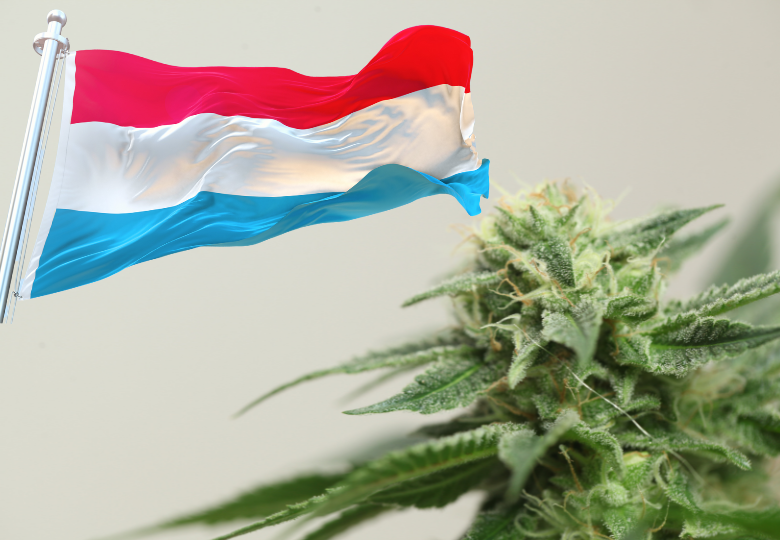
The Grand Duchy of Luxembourg has set a revolutionary precedent in Europe by becoming one of the first countries to fully legalize cannabis cultivation for personal use. This historic decision radically transforms the European legal landscape and lays the foundations for a new era in the regulation of this valuable plant genetics. The reform not only recognizes the therapeutic properties inherent to these varieties, but also opens the door to a fully regulated market for collector seeds.
Previous Legal Framework in Luxembourg
Before this legislative transformation, Luxembourg maintained a restrictive policy towards cannabis genetics. The previous legal framework classified these varieties as controlled substances, severely limiting any activity related to their cultivation or possession. The earlier regulations only allowed the handling of these genetics for specific scientific and industrial purposes, such as the production of textile fibers and building materials derived from hemp.
The therapeutic use of the cannabinoids present in these varieties was strictly limited to exceptional medical cases, requiring special authorizations and constant medical supervision. Citizens had no legal access to these genetics for personal cultivation, creating a significant gap for those interested in the aromatic properties and unique terpene profiles of these plants.
This new legislation represents a paradigm shift towards a more scientific and controlled approach, recognizing the value of these genetics as plant material of both therapeutic and research interest.
Details of the Luxembourg Cannabis Reform
The new legislation establishes a comprehensive regulatory framework that allows the controlled cultivation of these specialized genetics. The key aspects of this reform include:
- Legalization of personal cultivation: Residents over 18 years of age can now grow up to 4 plants of these varieties in their private homes
- Mandatory registration system: Growers must register their activity with the competent authorities, ensuring traceability of the genetics used
- Quantity limitations: Specific restrictions are established on the permitted quantities to guarantee personal use and prevent unauthorized commercialization
- Quality control: Cultivated varieties must meet specific standards for cannabinoid composition, particularly regarding THC and CBD levels
This regulation implicitly recognizes the value of collector seeds as specialized genetic material, opening opportunities for the development of a regulated market for premium genetics.
Economic and Scientific Benefits of Legalization
The legalization of personal cultivation generates multiple benefits that go beyond the individual sphere, positively impacting several sectors:
Development of the Specialized Genetics Industry
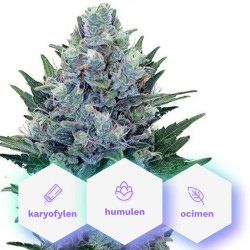
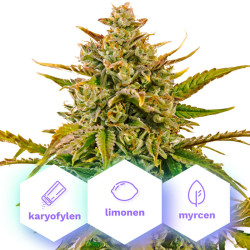
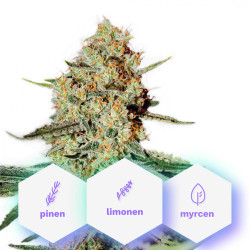
This reform catalyzes the growth of a specialized market in cannabis genetics, including the development of new varieties with specific cannabinoid profiles. Breeders and collectors can now legally work with these genetics, developing lines that maximize the expression of specific terpenes such as myrcene, limonene, and pinene.
Advances in Phytochemical Research
Legal accessibility facilitates advanced scientific studies on the chemical composition of these varieties. Researchers can now analyze in depth the profiles of minor cannabinoids such as CBG, CBN and CBC, as well as study the synergistic interactions known as the "entourage effect".
Recognized Therapeutic Benefits
The legalized varieties provide access to genetics known for their natural relaxing and anti-inflammatory properties. These characteristics are mainly due to their rich content of cannabidiol (CBD) and other cannabinoids that have shown neuroprotective properties in preclinical studies.
Impact on the Judicial System
The reform significantly reduces the burden on the judicial system by eliminating the criminalization of personal cultivation, allowing resources to be allocated to more serious cases.
Future Prospects for the Cannabis Sector in Luxembourg
The future of cannabis in Luxembourg presents a promising outlook with multiple development opportunities:
Expansion of the Collector Market
The development of a specialized market in collector seeds is anticipated, offering varieties with unique aromatic profiles and specific cannabinoid compositions. This market could include rare genetics and research lines that preserve the genetic diversity of the species.
Innovation in Derived Products
Legalization opens the way for the development of innovative cannabis-based products, including CBD cosmetics, nutritional supplements, and aromatic products that make the most of the rich terpene profiles of these genetics.
Advanced Research into Cannabinoids
Luxembourg's academic institutions can now lead pioneering research into the therapeutic applications of minor cannabinoids and their mechanisms of action at the molecular level.
Potential Regulatory Expansion
This first phase of legalization could lay the groundwork for future expansions of the legal framework, including the possible regulation of other uses and applications of these valuable genetics.
Conclusions on This Historic Transformation
Luxembourg has shown visionary leadership in European cannabis regulation, establishing a model that balances controlled access with public safety. This reform recognizes the intrinsic value of these genetics as plant material of scientific and therapeutic interest, while laying the foundations for a regulated and responsible market.
Luxembourg's decision represents more than a simple legal reform; it constitutes a scientific recognition of the unique properties of these varieties and their potential contribution to human wellbeing. For collectors and enthusiasts of these specialized genetics, Luxembourg positions itself as a European benchmark in the preservation and study of cannabis genetic diversity.
This historic milestone not only benefits Luxembourg's citizens, but also sets a precedent that could influence the policies of other European countries, promoting a more scientific and less punitive approach towards these valuable plant genetics.