


 English (English)
 Deutsch (German)
 Čeština (Czech)
 Italiano (Italian)
 Hrvatski (Croatian)
 Română (Romanian)
 български език (Bulgarian)
 Magyar (Hungarian)
 Español (Spanish)
 Français (French)
 Nederlands (Dutch)
 Polski (Polish)
 Slovenčina (Slovak)
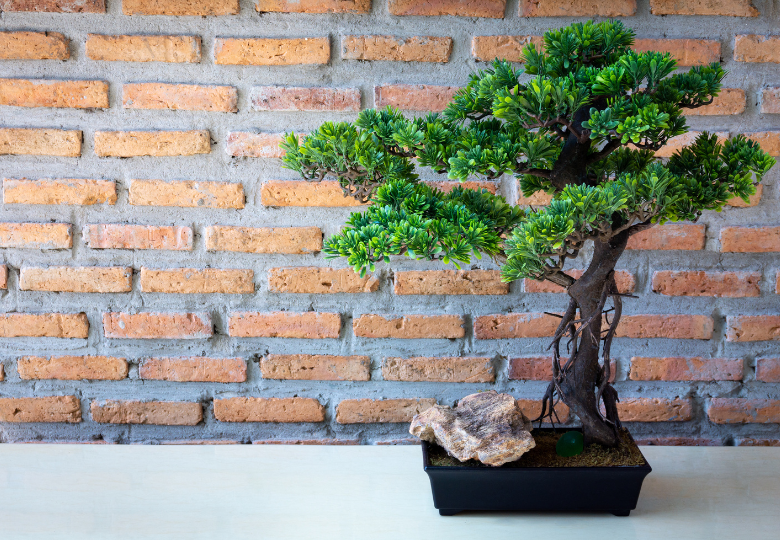



Cannabis fascinates enthusiasts not only because of its complex genetic characteristics and aroma profiles, but also because of its remarkable aesthetic beauty as an ornamental plant. Among the most fascinating trends in botanical collecting is the art of cannabis bonsai, a practice that combines the millennia-old Japanese tradition with the sophistication of modern cannabinoid genetics.
This technique allows collectors to keep valuable genetic material in a small space while creating living works of art that preserve the unique characteristics of each strain. Cannabis bonsai offer an elegant way to honor the natural structure of these plants while keeping their aromatic and genetic characteristics untouched.
Fundamentals of Bonsai Art Applied to Cannabis
The term "bonsai" comes from Japanese and literally means "tree in a tray". This centuries-old philosophy is based on recreating natural landscapes in miniature through techniques of controlled growth restriction. Applying these principles to cannabis produces specimens that preserve all the genetic characteristics of the original plant, but in completely manageable dimensions.
Restricting the root system with small containers is fundamental to achieving this effect. By limiting the space available to the roots, the plant naturally reduces its overall size while preserving its aroma profile and genetic structure. This process does not affect the quality of the genetic material, it merely adjusts its physical expression.
Collectors especially value this technique because it makes it possible to keep mother plants of several strains in a compact space, which makes it easier to preserve rare or valuable genetics without the need for extensive setups.
Specialized Shaping and Styling Techniques
Preparing the Container System
Successfully setting up a cannabis bonsai starts with choosing the right container. Unlike conventional pots, containers for cannabis bonsai require specific modifications to allow the branches to be shaped. Strategically placed holes must be drilled into the sides of the container to make it easier to thread shaping wires through.
The substrate must provide optimal drainage and balanced nutrient retention. A well-aerated mix ensures that the restricted roots stay healthy while they adapt to the limited space. The depth of the container must be sufficient to establish a stable root system, but not so large that it allows uncontrolled growth.
Structural Shaping Methodology
The process of structural shaping requires patience and precise technique. Once the plant reaches about 6 centimeters in height, the active shaping phase begins. Using flexible wires and gentle tying techniques, the growth of each branch is guided into the desired shape.
Attaching a vertical support is essential for establishing the bonsai's centerline. This support, usually made of wood or bamboo, is inserted carefully to avoid damaging the root system. The main trunk is gradually shaped through controlled tension, creating the curvature characteristic of traditional bonsai.
The side branches require individual attention. Depending on the desired style, they can be trained to grow horizontally (cascade style) or at specific angles (formal style). The key is to gradually build up tension without disrupting the circulation of nutrients through the plant tissue.
Care and Long-Term Development
Selective Pruning Techniques
Pruning is a fundamental aspect of cannabis bonsai care. Unlike traditional pruning, which is aimed at maximizing yield, the goal here is to preserve the artistic shape and proportions. Side shoots and excess foliage are selectively removed, while the basic structure is always preserved.
It is essential to distinguish between primary and secondary branches. The main branches form the bonsai's structural skeleton and are only rarely removed entirely. Secondary and tertiary shoots are regularly pruned back to maintain the desired proportions and prevent uncontrolled growth.
Pruning also includes foliage care. Larger leaves can be selectively removed to improve the visual balance and let more light reach the inner branches. This technique, known as selective defoliation, should be applied in moderation so as not to stress the plant excessively.
Preserving Genetic Material
One of the most significant advantages of cannabis bonsai is their ability to serve as compact genetic archives. These miniature plants can be kept in the vegetative state for extended periods, allowing material to be regularly taken for propagation.
The process of reverting to the vegetative state after flowering is especially valuable for collectors. By adjusting the light cycle, a bonsai that has completed its flowering cycle can return to the vegetative state, allowing it to be used as a mother plant for several seasons.
This characteristic makes cannabis bonsai long-term genetic investments. A single specimen can supply genetic material over several years while taking up only a fraction of the space a traditional mother plant would require.
Considerations for Specialized Collectors
Serious collectors of cannabis genetics find bonsai to be an invaluable tool for maintaining diverse genetic libraries. This technique makes it possible to preserve multiple strains in limited space and makes it easier to compare aroma profiles and morphological traits between different lines.
The practice of cannabis bonsai also offers a unique perspective on the natural architecture of each strain. Differences in growth patterns, branch structure, and leaf development become more clearly visible when the plants are kept at comparable scales.
For anyone interested in high-quality cannabis genetics, bonsai offers a sophisticated way to honor and preserve valuable genetic material while also developing specialized cultivation skills.