


 English (English)
 Deutsch (German)
 Čeština (Czech)
 Italiano (Italian)
 Hrvatski (Croatian)
 Română (Romanian)
 български език (Bulgarian)
 Magyar (Hungarian)
 Español (Spanish)
 Français (French)
 Nederlands (Dutch)
 Polski (Polish)
 Slovenčina (Slovak)

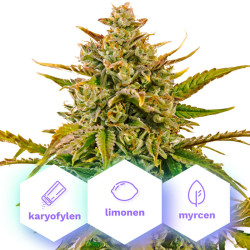
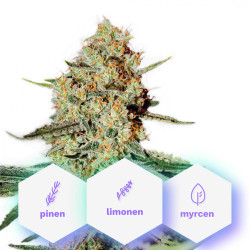
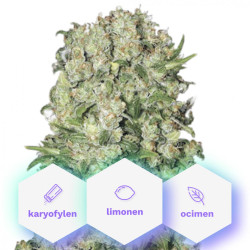
Companion planting represents a fascinating botanical approach that reveals the complex interactions between different plant species. When we look at collector cannabis seeds in this context, mint emerges as a particularly interesting plant companion. This theoretical pairing offers a glimpse into the natural synergies that can exist between these two distinct botanical families, each with its own unique chemical and aromatic characteristics.
Mint's terpene profiles create a complex olfactory environment worth studying from the perspective of plant interactions. The phenolic compounds, flavonoids and glycosides found in mint form a true natural laboratory of phytochemical substances. This molecular richness perfectly illustrates the diversity of secondary metabolites observable throughout the plant kingdom.
Fundamental principles of companion planting
Companion planting is based on established ecological principles in which different plant species develop mutually beneficial relationships. In the theoretical context of a mint-cannabis pairing, we observe a remarkable example of botanical complementarity. Mint, with its relatively shallow roots, occupies a different ecological niche from the one generally observed in cannabis genetics.
The aromatic compounds released by mint create a unique olfactory microclimate. Menthol, menthone and cineole - mint's principal terpenes - form a distinctive chemical signature that illustrates the diversity of natural terpene profiles. This molecular composition demonstrates the extraordinary variety of volatile substances plants produce for their environmental interactions.
Chemical characteristics and molecular interactions
Analysis of mint's phytochemical compounds reveals a fascinating molecular architecture. The terpenes present - notably menthol and its derivatives - are perfect examples of secondary metabolites with pronounced organoleptic properties. These molecules illustrate the mechanisms by which plants develop their characteristic aromatic signatures.
From a botanical research standpoint, mint exhibits natural repellent properties due to its specific terpene composition. These volatile substances act as chemical signals within the ecosystem, demonstrating the importance of inter-species communication in the plant kingdom. This characteristic makes mint a particularly interesting subject for understanding natural plant defenses.
Complementary aromatic profiles
The terpene profiles of mint and cannabis show distinct characteristics worth a comparative analysis. While cannabis genetics develop varied aromatic bouquets including myrcene, limonene and pinene, mint contributes its own mentholated compounds. This diversity illustrates the richness of aromatic expression possible within the plant world.
The olfactory interactions between these two botanical families create unique sensory combinations. From a genetics-collecting perspective, this theoretical pairing lets you appreciate the complexity of natural aromatic bouquets and their potential for mutual enrichment.
Theoretical advantages of the botanical pairing
A theoretical study of this pairing reveals several remarkable botanical advantages. Mint, being perennial and cold-resistant, shows growth characteristics that make it an interesting model for studying plant longevity. Its ability to regenerate year after year illustrates the survival strategies developed by certain species.
Mint's natural repellent properties, due to its terpene compounds, are a fascinating example of chemical plant defense. These natural mechanisms demonstrate how plants develop sophisticated strategies to protect their genetic integrity and ensure their reproduction.
Culinary and aromatic applications
Mint offers multiple practical applications that enrich the genetics collector's experience. Its traditional uses include:
- Preparing aromatic herbal teas with refreshing properties
- Creating pestos and condiments with mentholated flavors
- Making syrups and sweet preparations
- Incorporating it into aromatic blends for relaxation
- Using it in aromatherapy for its olfactory properties
These practical applications allow collectors to fully appreciate the diversity of plant expressions and deepen their understanding of the traditional uses of aromatic plants.
Practical considerations for collectors
For enthusiasts of collector seeds, studying this theoretical pairing offers enriching perspectives. Mint requires specific conditions: moist but well-drained soil, partial shade, and controlled space to prevent it from spreading naturally. These requirements illustrate the importance of understanding the specific needs of each species within a responsible approach to collecting.
Mint's natural tendency to spread quickly is an interesting point of study regarding plant reproduction strategies. This characteristic demonstrates how plants adapt to their environment and their ability to optimize their reproductive success.
Optimizing collection space
The theoretical mint-cannabis pairing perfectly illustrates the principles of spatial optimization in botany. Mint, with its preference for partial shade, could theoretically benefit from the canopy created by taller cannabis plants, thus creating a favorable microclimate. This spatial complementarity demonstrates the elegance of natural plant pairings.
This approach allows collectors to appreciate the complexity of ecosystems and understand how different species can coexist beneficially. Studying these interactions enriches botanical knowledge and offers a more holistic perspective on plant genetic diversity.