


 English (English)
 Deutsch (German)
 Čeština (Czech)
 Italiano (Italian)
 Hrvatski (Croatian)
 Română (Romanian)
 български език (Bulgarian)
 Magyar (Hungarian)
 Español (Spanish)
 Français (French)
 Nederlands (Dutch)
 Polski (Polish)
 Slovenčina (Slovak)
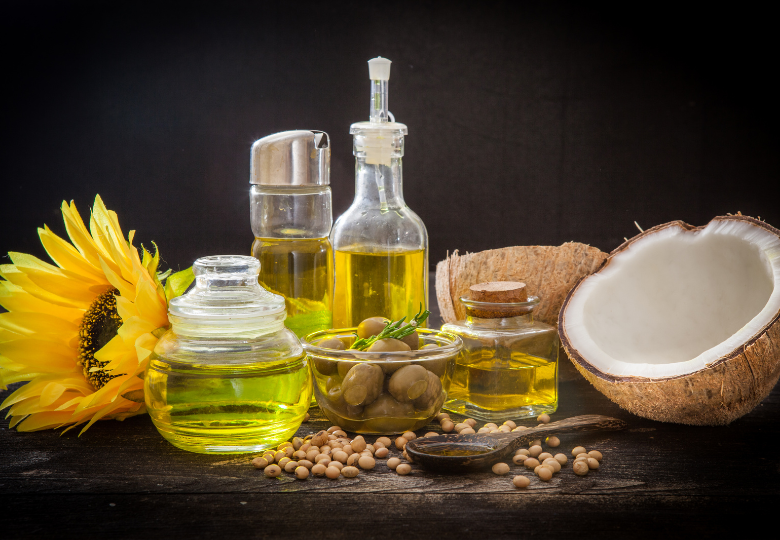


What are carrier oils and why are they essential for CBD?
Carrier oils are a fundamental element in the formulation of CBD products as collector's genetic material. These oily substances have the specific function of dissolving cannabinoid molecules and supporting their potential bioavailability. In the world of cannabis genetics, understanding these oils is essential for collectors seeking to preserve complex aromatic profiles and study the chemical properties of different varieties.
The carrier oils most commonly used in CBD products include a range of botanical options, each with unique characteristics that affect the stability of the genetic material. Among the most notable are coconut oil, olive oil, hemp oil, avocado oil, and palm oil, though the latter has certain drawbacks we'll examine further below.
The importance of these oils lies in their ability to maintain the molecular integrity of the cannabinoids and terpenes present in cannabis genetics. Without a suitable carrier oil, many of the aromatic compounds and characteristics of each variety would be lost during the preservation process of the genetic material.
Maximizing genetic preservation: the crucial role of carrier oils
The process of preserving cannabinoid genetic material begins with the extraction of active compounds from dried flowers or selected plant material. During this phase, cannabinoids, terpenes, and other aromatic compounds are obtained that define the unique characteristics of each variety of collector's seeds.
Once extracted, these compounds are combined with specific carrier oils to create stable products that preserve the original aromatic properties. The choice of carrier oil directly affects the ability to preserve these complex chemical profiles over time.
Better molecular bioavailability
Carrier oils significantly increase the bioavailability of cannabinoids, meaning they support the molecular stability of these compounds. CBD and other cannabinoids are better preserved when bound to lipid molecules, which provide a stable chemical environment for the long-term storage of genetic material.
Preservation of aromatic profiles
Pure cannabinoid extracts can be unstable without a suitable medium. Combining them with quality carrier oils helps maintain the terpene profiles characteristic of each variety, preserving the aromatic qualities that make each collector's cannabis genetic unique.
Easier handling of the material
Cannabinoids in pure form are concentrated substances that require proper dilution for handling. Carrier oils make it possible to create stable, manageable mixtures, making it easier to work with these compounds for research and collecting purposes.
The 5 most effective carrier oils: a detailed look at their properties
Each carrier oil has unique characteristics that affect the preservation of cannabinoid genetic material. Below, we examine the specific properties of the five most commonly used oils in the industry.
Coconut oil: the standard of excellence
Coconut oil stands out for its content of medium- and long-chain triglycerides (MCTs), which makes it an exceptional carrier for cannabinoids. These MCTs are smaller, more stable molecules than the long-chain triglycerides found in most fats.
Its main advantages include the ability to neutralize the earthy flavors characteristic of cannabis extracts while maintaining the integrity of terpene profiles. Its fluid consistency makes handling and precise dosing of the material easier. Coconut oil's high digestibility suggests greater preservation of molecular stability of cannabinoids over time.
Olive oil: Mediterranean tradition
Well known for its healthy properties, olive oil is rich in oleic acid, monounsaturated fats, and omega-3 and omega-6 fatty acids, essential components for maintaining the stability of cell membranes in plant extracts.
However, due to its high content of monounsaturated fats, olive oil has a slower absorption rate compared to coconut oil. Its higher viscosity can complicate precise dosing, and its slower processing may reduce the preservation efficiency of some sensitive compounds, though it remains a reliable and widely used option.
Hemp oil: natural synergy
Hemp oil is extracted from hemp seeds, considered a superfood for their richness in healthy fats, quality proteins, and various vitamins and minerals. Its main advantage lies in the so-called entourage effect.
This theory suggests that the effects of CBD are enhanced when combined with other compounds naturally present in cannabis. For this reason, hemp oil is particularly valued in full-spectrum products, where the goal is to retain as many of the plant's original compounds as possible for research and collecting purposes.
Avocado oil: nutritional innovation
Avocado oil is a modern alternative with excellent preservation properties. Rich in monounsaturated fats and vitamin E, this oil provides an antioxidant environment that can help preserve the integrity of cannabinoids that are sensitive to oxidation.
Its neutral flavor profile helps maintain the original aromatic characteristics of the genetic material, while its thermal stability makes it ideal for the long-term storage of collector's samples.
Palm oil: a controversial choice
Although technically effective as a carrier oil, palm oil has significant drawbacks from environmental and sustainability perspectives. Its production is associated with deforestation and negative ecological impact, which is why many responsible manufacturers avoid using it in CBD products intended for collecting.
From a technical standpoint, palm oil can adequately preserve cannabinoids, but its environmental impact makes it a less desirable option for sustainability-conscious collectors.
Considerations for collectors: choosing the ideal carrier oil
Choosing the right carrier oil depends on several specific factors related to the preservation of genetic material and the collector's goals. Factors such as long-term stability, the retention of aromatic profiles, and environmental sustainability should be considered when evaluating different options.
For collectors focused on preserving complex terpene profiles, coconut and hemp oils tend to offer the best results. Those interested in keeping samples for extended periods may benefit from the antioxidant properties of avocado oil.
It's important to remember that these oils are used exclusively for purposes of collecting and researching genetic material, always keeping the focus on the aromatic and chemical properties of the different cannabis varieties as objects of scientific study and botanical preservation.